
 Gear
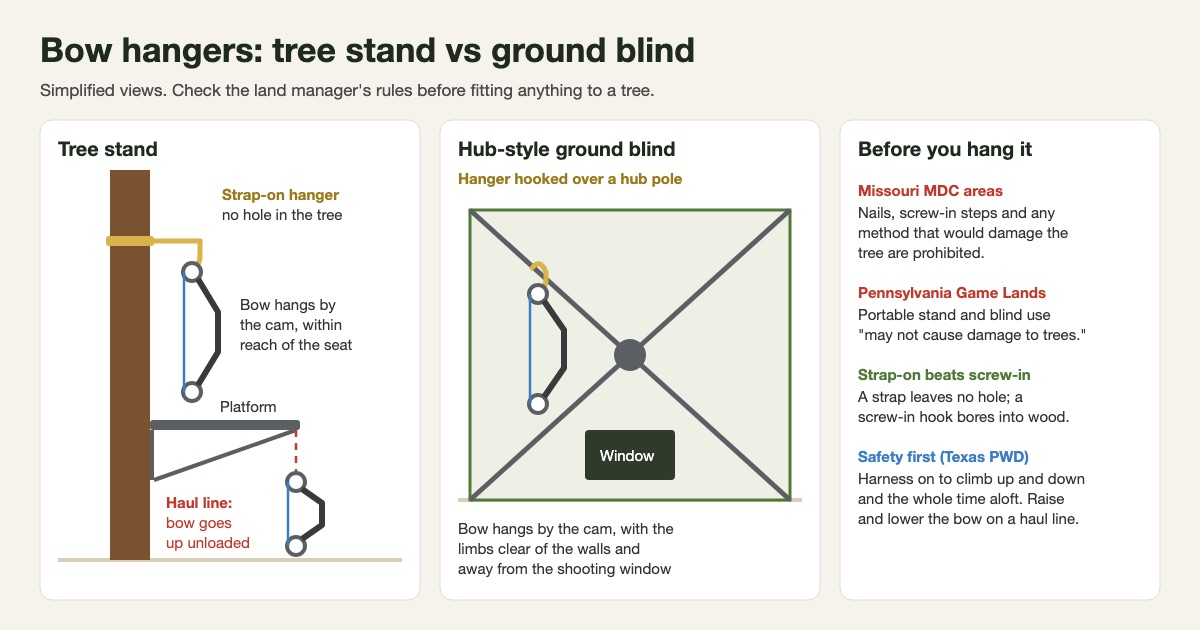
Bow Hangers for Tree Stands and Ground Blinds
Deer hunting bow hangers explained: screw-in vs strap-on for tree stands, public-land rules on tree damage, ground blind hangers and haul line safety.
September 5, 2026 · 5 min read
Page 2 of 3 · 72 articles, newest first
GearDeer hunting bow hangers explained: screw-in vs strap-on for tree stands, public-land rules on tree damage, ground blind hangers and haul line safety.
September 5, 2026 · 5 min read
 Gear
Crossbow tripod, bipod, monopod or blind rest? How each one steadies a heavy crossbow, what it costs you in weight, and how to keep limbs and fingers clear.
Updated October 6, 2026 · 5 min read
 Gear
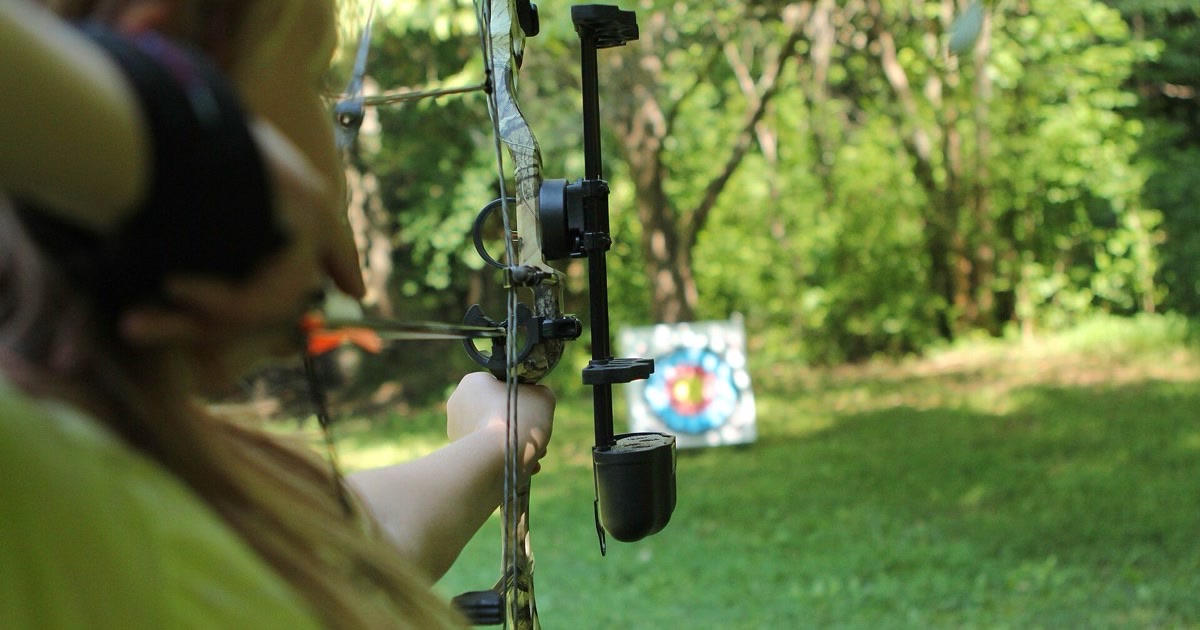
Choosing a compound bow for women or a recurve? Draw length, draw weight, grip and mass weight matter more than a women's label. How to check each one.
August 24, 2026 · 5 min read
 Gear
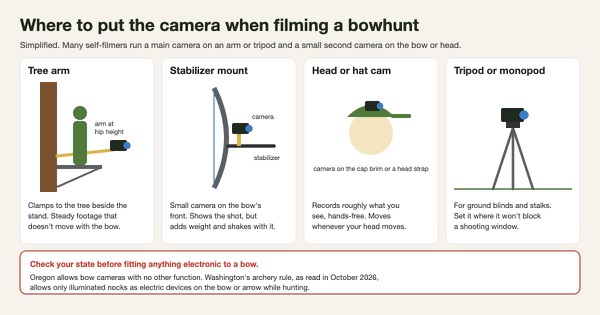
Bow stabilizer camera, tree arm or head cam? How each films a bowhunt, why bow-mounted footage shakes, phone mounts, state rules and filming ethics.
Updated October 6, 2026 · 5 min read
 Gear
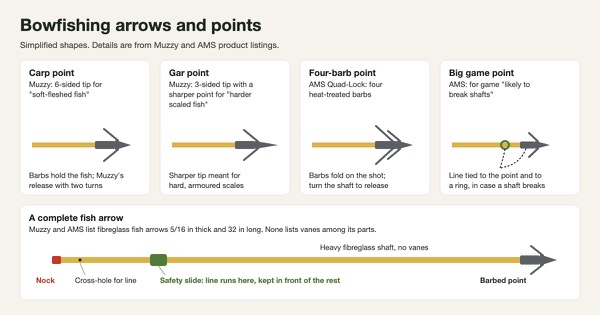
What are bowfishing arrows made of? Mostly fiberglass, with barbed points, a safety slide or ring for the line and no vanes. What makers list, and why.
August 6, 2026 · 5 min read
 Gear
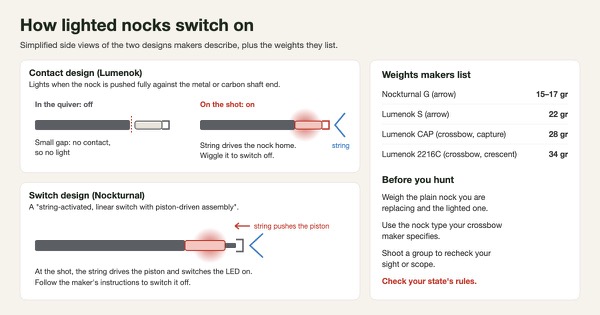
Crossbow lighted nocks and lighted nocks for arrows: how they switch on, what they weigh, why to re-check your sight, and where they're legal.
Updated October 6, 2026 · 5 min read
 Gear
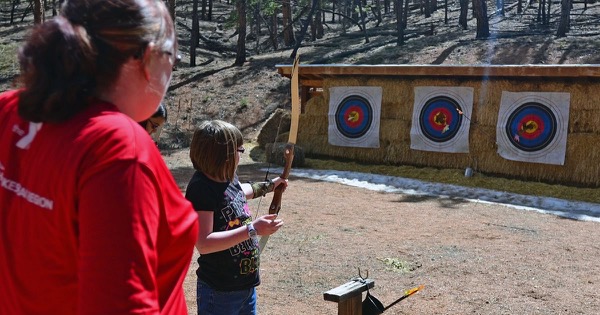
Does your child need an arm guard, finger tab or archery glove for kids? What youth programmes require, how each piece should fit, and where eye safety fits in.
July 20, 2026 · 4 min read
 Gear
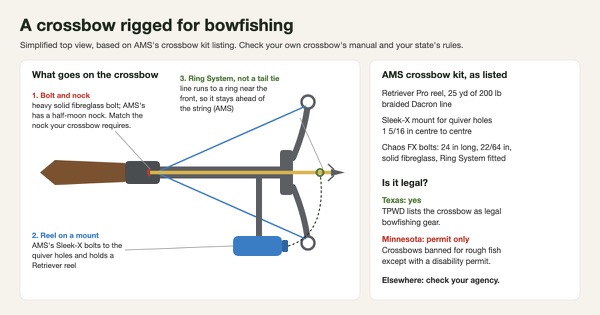
Crossbow fishing explained: how a crossbow bowfishing kit mounts a reel, why fish bolts use a ring for the line, and which states allow it.
Updated October 6, 2026 · 4 min read
 Gear
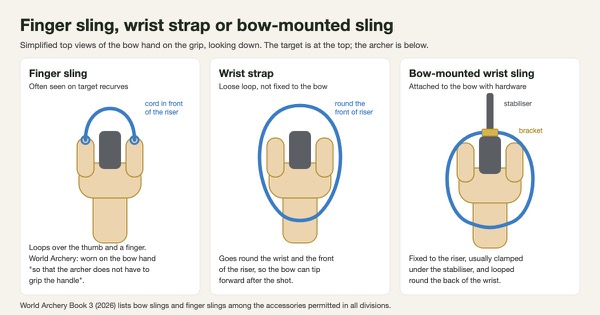
What is a bow wrist sling used for, and how does a finger sling differ? How each one works, who uses which, fitting tips and what World Archery rules allow.
Updated October 6, 2026 · 4 min read
 Gear
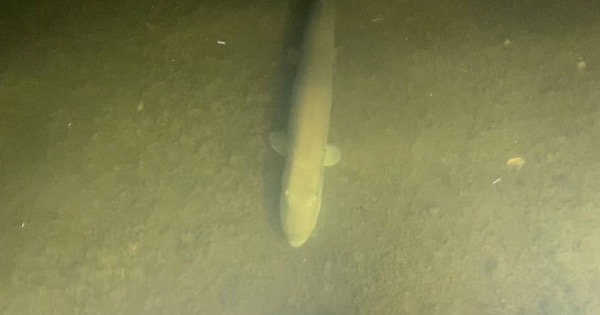
How to set up a bowfishing boat for night shooting: light types and power, deck layout, generator safety, navigation lights and night bowfishing rules.
May 10, 2026 · 4 min read
 Gear
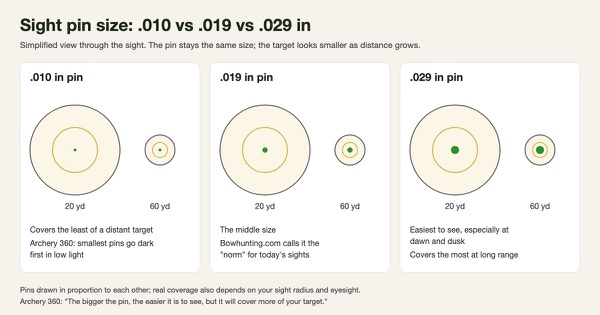
Bow sight pin size explained: how .010, .019 and .029 inch pins trade brightness for target coverage, which suits hunting, and what helps in low light.
April 21, 2026 · 4 min read
 Gear
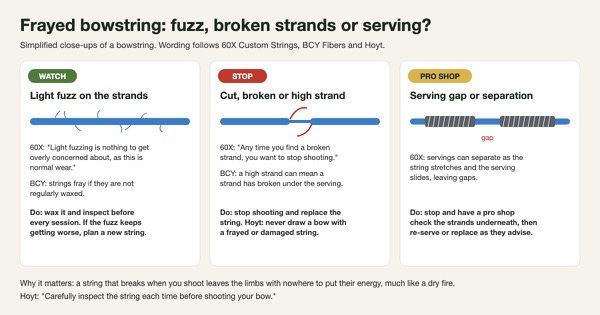
Can you repair a frayed bow string? What Hoyt, BCY, Mathews and 60X say about fuzz, broken strands and serving gaps, and why a damaged string is replaced.
April 2, 2026 · 4 min read
 Gear
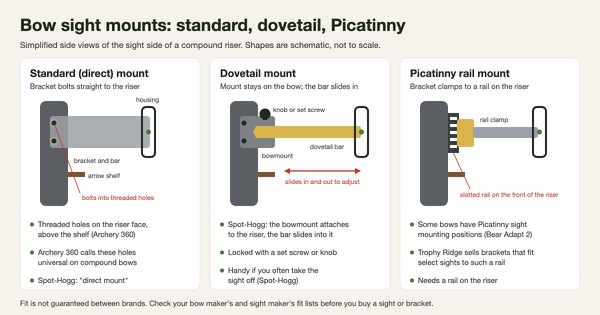
Bow sight dovetail mount, Picatinny rail or standard bracket? How each attaches to the riser, whether bow sights are universal, and what to check before buying.
March 16, 2026 · 4 min read
 Gear
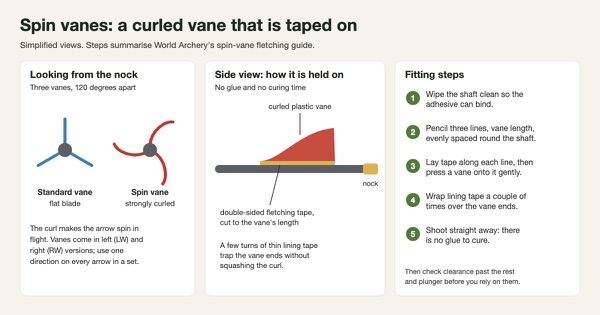
Spin vanes explained: what curled spin wing vanes do, why recurve target archers use them, rest clearance, and why they're taped on rather than glued in a jig.
Updated October 6, 2026 · 4 min read
 Gear
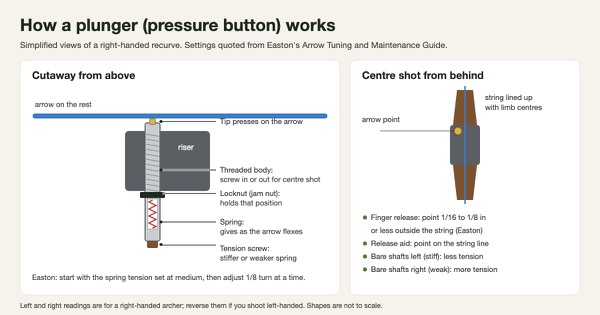
Archery: what is a plunger? How a recurve bow plunger sets centre shot and cushions the arrow, what spring tension does, and plunger vs arrow rest.
Updated October 8, 2026 · 4 min read
 Gear
How to break in an archery glove, which hand it goes on (your drawing hand), how to measure for the right size and how to care for the leather.
January 15, 2026 · 4 min read
 Gear
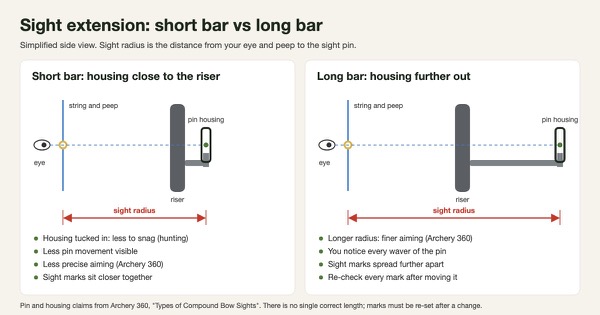
What a bow sight extension bracket changes: sight radius, pin movement, mark spacing and peep fit, plus how to choose a hunting or target setting.
Updated October 6, 2026 · 4 min read
 Gear
Bow hunting yardage markers: range landmarks around your stand, when flagging or stakes make sense, public-land rules and how shot angle changes the number.
Updated October 7, 2026 · 4 min read
 Gear
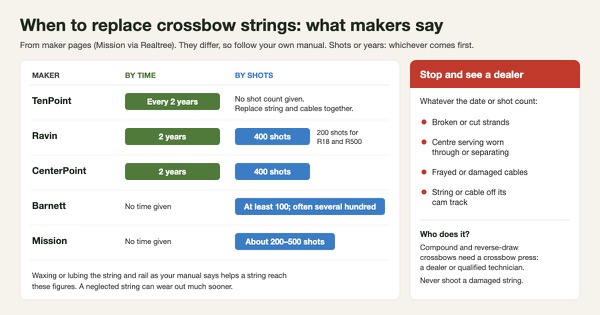
When to replace crossbow strings and cables: what TenPoint, Ravin, CenterPoint and Barnett recommend, how to spot serving wear, and why it's a press job.
Updated October 6, 2026 · 4 min read
 Gear
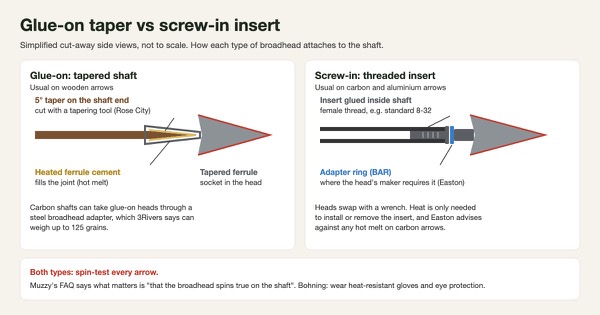
Glue-on vs screw-in broadheads: how glue on broadheads fit tapered wood arrows, how screw-ins use inserts, hot-melt safety, carbon cautions and spin testing.
December 2, 2025 · 5 min read
 Gear
How a crossbow scope with a built-in rangefinder works: laser ranging, speed calibration, batteries in the cold, and why legality varies by state.
Updated October 6, 2026 · 4 min read
 Gear
Single bevel broadheads explained: what the one-sided edge does, what Ashby and makers claim about rotation, left vs right bevel, fletching and sharpening.
November 13, 2025 · 5 min read
 Gear
Carbon arrows vs fiberglass: why fiberglass arrows suit kids' sets, camps and bowfishing rather than target or hunting, and how to inspect them safely.
Updated October 6, 2026 · 4 min read
 Gear
Arrows for squirrel and rabbit hunting: why field points skip and bury, how Judo points, blunts and small-game heads differ, and what to check on legality.
Updated October 6, 2026 · 5 min read
 Gear
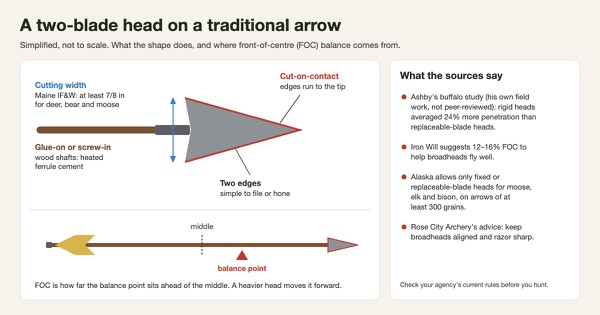
Traditional bow broadheads: why two-blade cut-on-contact heads suit recurves and longbows, plus head weight, FOC, sharpening, mechanicals and legal minimums.
Updated October 6, 2026 · 5 min read
 Gear
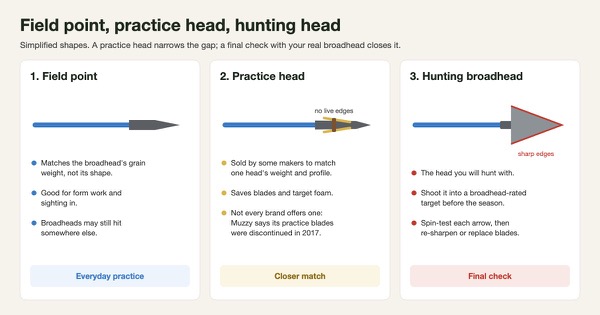
Practice broadheads explained: what they match, when they help with mechanical heads, which makers still sell them and why the real broadhead decides.
Updated October 8, 2026 · 5 min read
 Gear
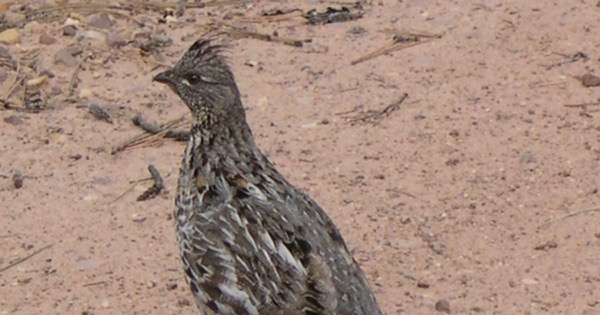
Arrows for grouse and other birds: how flu-flu fletching slows an arrow, spiral vs multi-feather builds, points for birds, and the legal checks to make first.
Updated October 6, 2026 · 5 min read
 Gear
Carbon arrows vs wood arrows: what cedar and other wooden arrows do well, where spine and weight vary, how to inspect them, and who should shoot them.
Updated October 6, 2026 · 5 min read
 Gear
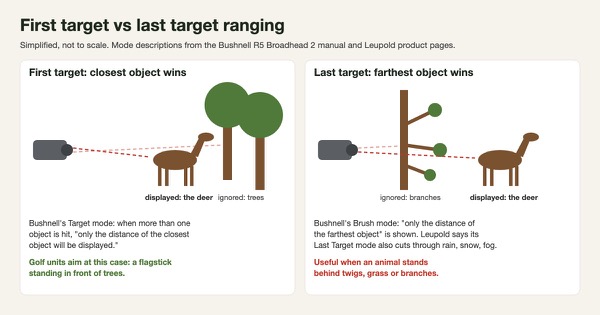
Can you use a golf range finder for bow hunting? Yes on level ground. How golf and hunting modes differ: target priority, slope vs true horizontal distance.
Updated October 7, 2026 · 5 min read
 Gear
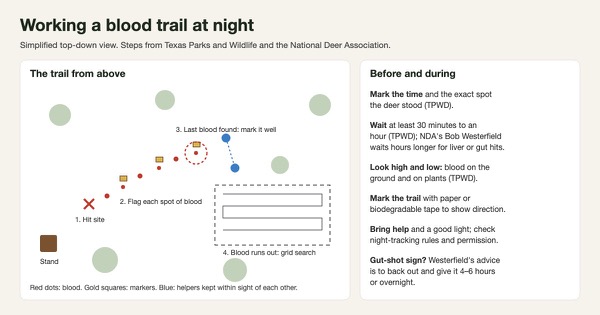
How to follow a blood trail for deer after dark: wait times, marking the trail, headlamp vs handheld, and what claims about green and blue lights rest on.
Updated October 6, 2026 · 4 min read
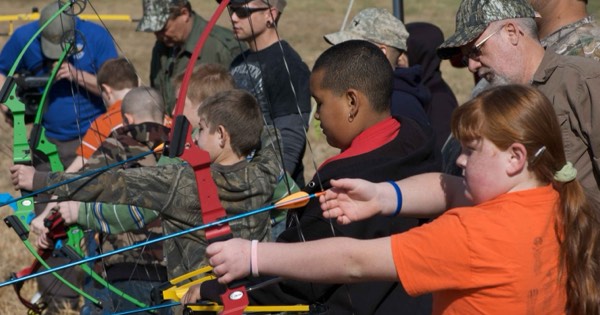
Step-by-step archery guides for beginners: choosing a first bow, understanding draw weight and draw length, safety basics, and what gear you actually need.
Browse
Archery technique and training articles covering stance, anchor point, release, aiming methods, practice routines, and fixing common form problems.
Browse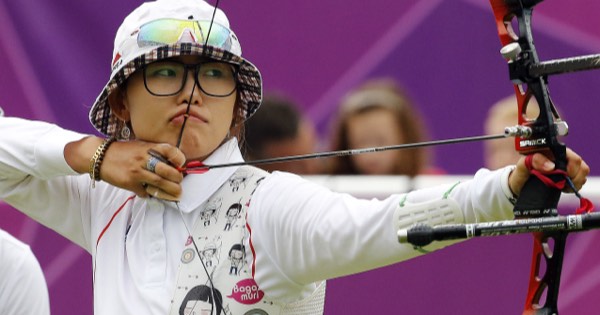
Research-based archery product reviews and buying guides that explain specifications, intended use, and trade-offs, clearly separating facts from opinion.
Browse
Side-by-side archery comparisons: compound vs recurve, carbon vs aluminum arrows, and other decisions explained with the key differences that actually matter.
Browse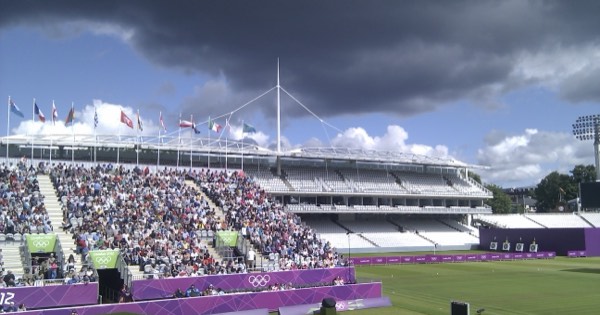
Archery news and updates: competitions, rule changes, notable equipment releases, and developments in the sport.
Browse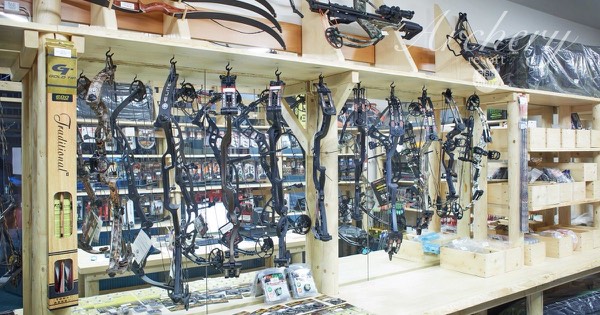
Every article organised by the gear it covers: recurve and compound bows, arrows, sights, rests, releases, targets, protective gear and bowhunting.
Browse