
Flu-Flu Arrows for Bird Hunting: How They Work
Arrows for grouse and other birds: how flu-flu fletching slows an arrow, spiral vs multi-feather builds, points for birds, and the legal checks to make first.

By Archery Insider Editorial Team
· · 5 min read
In this article
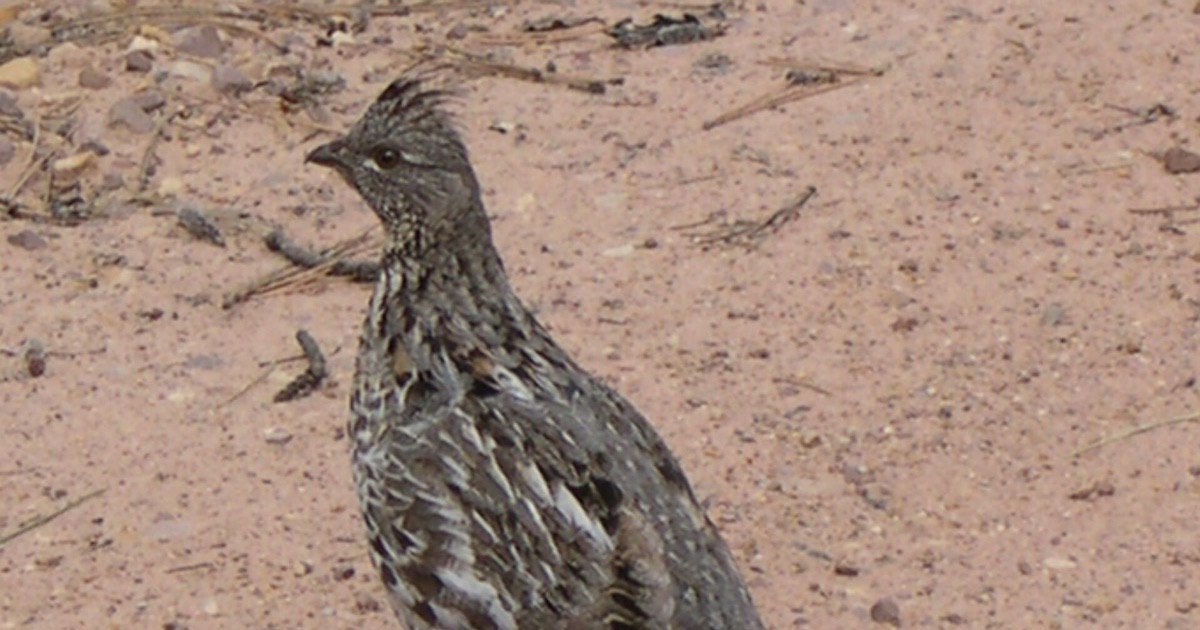
The specialist arrows for grouse and other birds on the wing are flu-flu arrows: shafts fletched with oversized, untrimmed feathers that create so much drag the arrow slows and drops after a short flight. That short range is the point. A miss at a flushing bird sends the arrow skyward, and a flu-flu comes down nearby instead of sailing off. New Jersey's hunting regulations go further and require them for birds taken in flight.
How flu-flu fletching slows an arrow
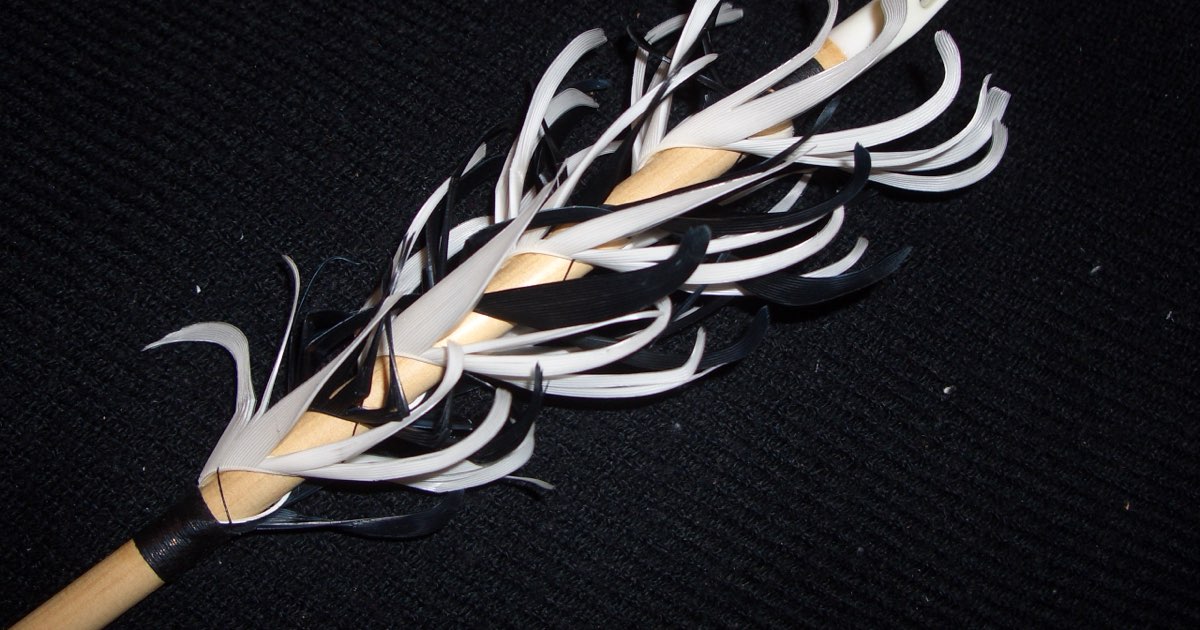
A normal hunting arrow carries three or four trimmed vanes or feathers that steer it without adding much drag. A flu-flu swaps those for a lot of large, untrimmed feather. MeatEater's Steven Rinella describes it as "a standard arrow fletched with four or more oversized" feathers "that spiral around the shaft of the arrow."
All that feather catches air, so the arrow loses speed quickly and falls. Saunders Archery puts it simply: flu-flu fletching "dramatically restricts arrows' travel."
How far one flies depends on the feathers, arrow and bow, so there is no reliable single figure to quote.
Spiral vs multi-feather flu-flus
There are two common ways to build one, and both use natural feathers rather than plastic vanes. Our feathers vs vanes comparison explains the difference in more detail.
| Build | How it's made | Notes |
|---|---|---|
| Spiral wrap | One or two full-length feathers with a thinned quill, wound around the shaft like a corkscrew | Lost Nation Archery's listing says the quills are "ground extra thin" so they "can be easily wrapped around an arrow shaft" and recommends contact cement |
| Multi-feather | Four or more large, full-height feathers glued along the shaft | Looks bushy; a straightforward build if you already own a fletching jig that takes full-length feathers |
Whichever you choose, check that the big feathers clear the riser and rest before hunting with them.
Points for birds
A flu-flu controls distance; the point decides how the arrow hits and whether it lodges in a tree. Saunders, which makes the Bludgeon blunt, explains that metal blunts "were developed to hunt birds and small game such as squirrels using flu-flu arrows," because "blunt-tipped arrows would be less likely to stick in tree trunks or limbs."
Common choices are steel blunts, Zwickey's spring-armed Judo points and small-game heads with a blunt nose and short blades. Check that whatever you use is legal for birds where you hunt: in New Jersey, an edged head on an arrow shot at a flying bird is prohibited. Turkeys have broadhead rules of their own; see our turkey shot placement guide.
Legal notes: upland birds and waterfowl
Upland birds. States set their own rules for grouse, pheasant and similar game birds, including whether archery is allowed and what arrow you need. New Jersey requires flu-flus for game birds in flight, bans edged heads for them and sets a minimum draw weight for every bow. Your state may be very different, so read its current hunting digest.
Waterfowl and other migratory birds. Ducks, geese and doves are covered by federal regulations as well as state ones. The federal rule on hunting methods says that migratory birds with open seasons "may be taken by any method except those prohibited," and its list of banned methods names traps, nets, rifles, pistols and more, but not bows. That does not mean every state allows it. Check your state agency's waterfowl rules and the US Fish and Wildlife Service before you plan a hunt.
To build or buy your own, you can browse flu-flu arrows or flu-flu fletching feathers on Amazon. Treat them as examples to consider. New to bowhunting altogether? Our guide to hunting deer with a bow covers licences, seasons and gear.
Frequently asked questions
What arrows are best for grouse?
For grouse in flight, a flu-flu arrow is the specialist choice, because the heavy feathers stop the arrow travelling far after a miss. Pair one with a blunt, Judo point or small-game head that is legal in your state. For a bird on the ground, check your state's rules on arrows and points first.
Can you use broadheads on birds?
It depends on the state and the bird. New Jersey prohibits arrows with an edged head for game birds in flight, while North Dakota's turkey rules, for example, require a broadhead. Read your state's current regulations for the species you're hunting before choosing a point, because the rules for different birds can be very different.
How far does a flu-flu arrow fly?
There's no fixed distance. It depends on the feather size and build, arrow weight and bow. Makers and regulators describe flu-flus only as designed to fly a short distance. Shoot yours in a safe, open area before the season so you know how far they travel and where they come down.
Related articles
 Comparisons
Feathers vs Vanes: Which Arrow Fletching Should You Use?
Feathers vs vanes compared: weight, forgiveness off the shelf, speed, drag, weather, durability, noise, rests, broadheads and which fletching suits your bow.
Updated September 30, 2026 · 5 min read
 Guides
Can You Hunt Deer With a Bow? A Beginner's Guide
Yes, you can hunt deer with a bow. Learn the legal basics, which bows work, how hard it is, effective range, gear, shot placement and a first-season plan.
October 6, 2026 · 13 min read
 Guides
Turkey Shot Placement With a Bow
Turkey anatomy for bow hunting: where the vitals sit, aim points for broadside, strutting-away and head-on birds, and the legal checks for head and neck shots.
Updated October 6, 2026 · 5 min read