
Skip to content
Archery Insider

Archery, explained properly

Practical guides for archers who want to understand their gear and shoot better.

Archery Insider publishes research-based guides on choosing equipment, building consistent form, and understanding the specifications that actually matter. No hype, no invented testing, and a clear line between fact and opinion.

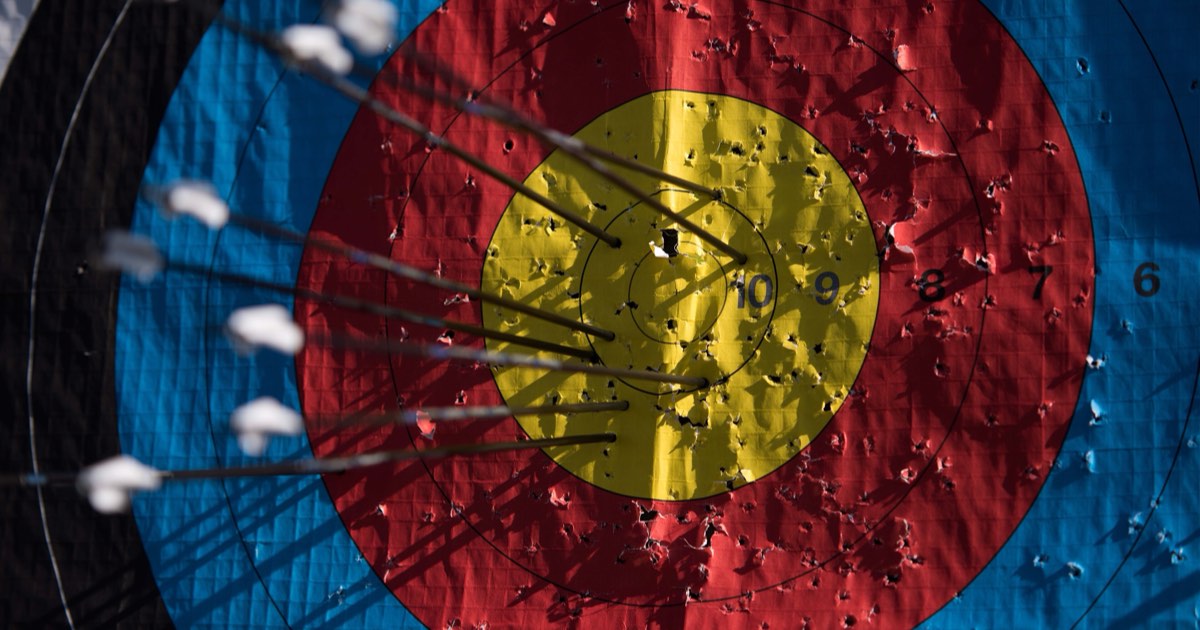
Close-up of an archery target face with a tight group of arrows in the gold ten ring

Featured

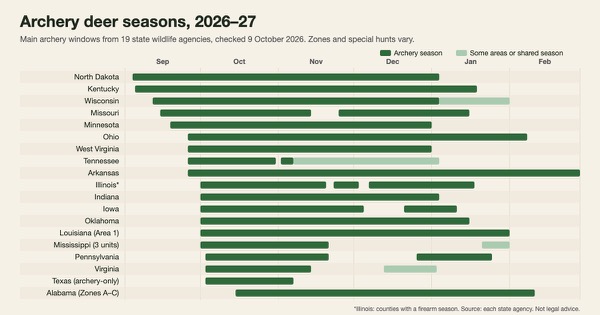
In season now

The rut and the heart of deer season

Bucks are moving in daylight. Guides for this time of year:

Camouflage pop-up hunting blind set up in tall grass at the edge of autumn woodsGuides

Bowhunting From a Ground Blind

Bowhunting from a ground blind: choosing and placing a blind, brushing it in, shooting seated, shooting through mesh, broadhead choice and common mistakes.

October 13, 2026 · 9 min read
Hunter in blaze orange and camouflage seated on a climbing tree stand against a tree trunk in a forestGuides

Tree Stand Safety for Bowhunters

Tree stand safety for bowhunters: wear a full-body harness from the ground up, use a lifeline and haul line, inspect your stand and plan for a fall.

October 12, 2026 · 10 min read
On the calendar

Upcoming archery events

Full calendar →

New to archery?

Your first four steps

Work through these in order and you will avoid the mistakes that cost most beginners money: the wrong bow type, the wrong draw length, too much draw weight.

  1. 1

    Understand the two main bow types

    Recurve and compound suit different goals. Knowing the difference saves you from buying the wrong bow.

    Compound vs recurve →
  2. 2

    Measure your draw length

    Two minutes with a tape measure. It decides your bow length, arrow length and real draw weight.

    How to measure draw length →
  3. 3

    Choose your first bow

    Takedown or one-piece, draw weight, bow length and the accessories you actually need.

    First recurve bow guide →
  4. 4

    Build repeatable form

    Stance, anchor and release. Consistency beats draw weight every time.

    The 11 steps of a good shot →

Browse by equipment

Find guides for your gear

All equipment →

Equipment hubs in five groups, from bows and arrows to targets and bowhunting gear. Each hub collects our guides, comparisons and product reviews for that piece of kit.

The tips of a self longbow and a composite longbow with their strings attached

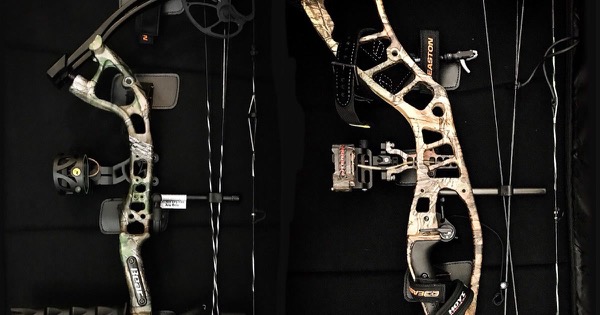
Bows

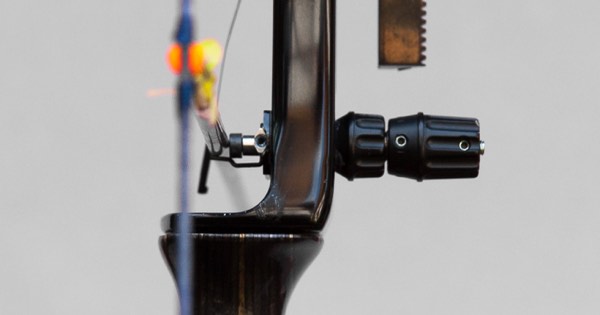
Close-up of a pressure (plunger) button and arrow rest on a target recurve riser

Bow Accessories

Close-up of a spiral flu-flu fletching made of white and black feathers on a wooden arrow

Arrows & Points

Shafts, spine, fletching, nocks, points and broadheads.

Browse arrows & points →
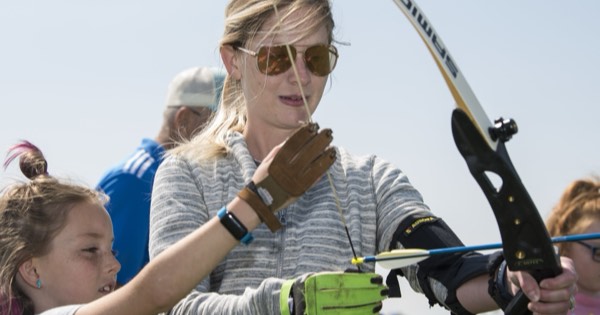
A woman wearing an arm guard and shooting glove holding a recurve bow while helping a child

Protection & Targets

Arm guards, tabs, gloves, chest guards and every type of target.

Browse protection & targets →
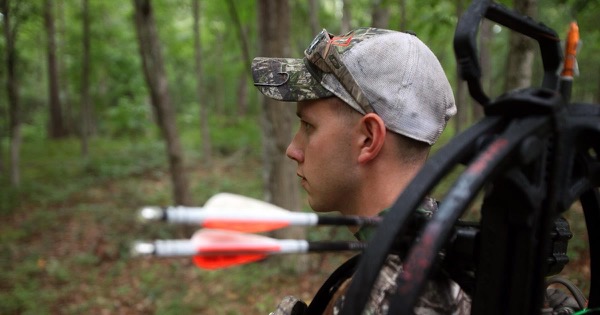
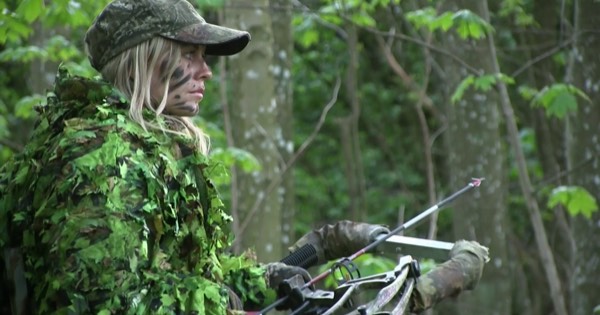
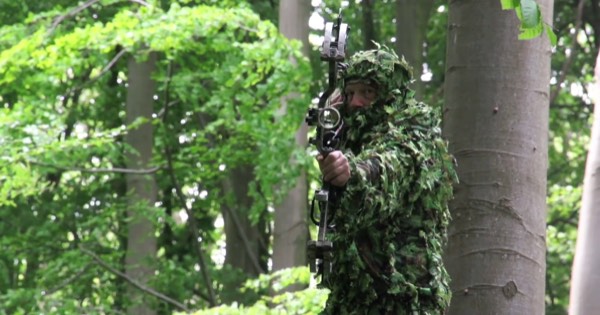
A bowhunter in camouflage holding a compound bow while moving through green woodland

Hunting & Specialty

Decide with confidence

Comparisons & buying guides

All comparisons →

Side-by-side explanations of the decisions that matter, built on published specifications rather than sales copy. Opinion is always labelled.

Shoot better

Training & technique

All training →
Chart comparing the effort to cock a 180 lb crossbow by hand, with a rope cocker (about half) and with a crank (about 10 percent)Training

How to Cock a Crossbow Safely

How to cock a crossbow safely: by hand, with a rope cocker or a crank, centring the string, loading a bolt correctly, and safe ways to unload or decock.

October 13, 2026 · 9 min read

Recently published

Latest articles

View all →
Diagram of ATA draw length: the distance from the nocking point to the grip's pivot point plus one and three-quarter inchesGuides

Draw Weight vs Draw Length Explained

Draw weight vs draw length explained: what each means, how they are measured (ATA standard), how they interact on recurves and compounds, and how to set both.

October 15, 2026 · 10 min read

Outdoor archery range with covered target stands at marked distances under pine treesGear

Can Archery Targets Be Left Outside?

Can archery targets be left outside? How sun, rain, freezing and animals affect bag, foam, 3D and straw targets, and how to cover and store them.

October 14, 2026 · 7 min read

Our approach

Careful research, clearly labelled

Archery gear is technical and the rules change every season. Here's how we make sure what you read is right, and how to tell what kind of review you're reading.

Published articles
185
Sources cited
801
  1. Every fact traced to its source

    Specs come from the maker's own pages and manuals, rules from the state agency or the law itself, and every article lists what it used. Rules pages show the date we checked them.

  2. Fact-checked before it goes live

    A separate review pass re-opens the sources and checks every spec, quote and date before an article is published.

  3. Hands-on only when it's real

    When we've used a product, the review says who tested it and how. Everything else is labelled research-based. We never invent tests or show prices that go stale.

  4. Opinion labelled, links disclosed

    Our views sit in a marked editorial box, apart from the facts. Some links earn us a commission; it never changes what we recommend. Read the disclosure.