
Archery Equipment List: What Beginners Really Need
A beginner archery equipment list by discipline: what you need for recurve, barebow, compound, traditional and bowhunting, what can wait, and what to skip.

By Archery Insider Editorial Team
· 11 min read
In this article
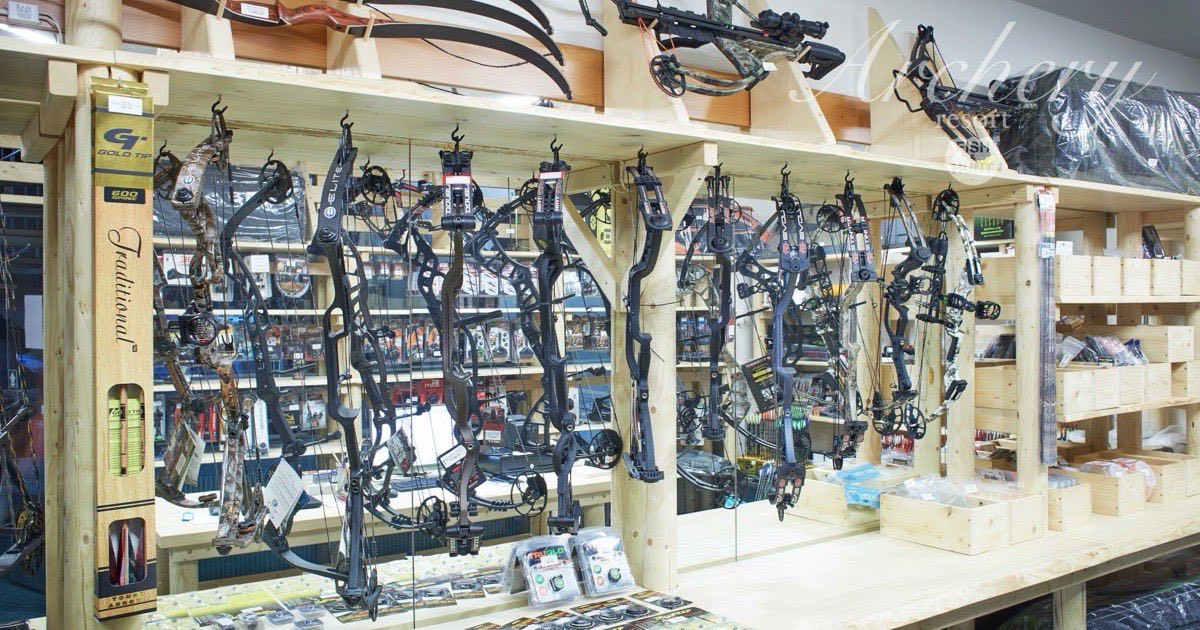
Walk into an archery shop or scroll an online store and the list of "essential" archery gear seems endless: stabilizers, sights, releases, quivers, cases, rangefinders, gadgets. The truth is that a beginner needs surprisingly little to start shooting well. What you need depends on how you want to shoot: Olympic-style recurve, barebow, compound target, traditional bows or bowhunting.
This guide lists the true essentials for every beginner, then what each discipline adds, what can wait until you know you are hooked, and what to skip. It is organised by function rather than brand, and it does not quote prices, which vary widely and change often.
The essentials for every beginner
| Item | Why you need it | Notes |
|---|---|---|
| Bow | Obviously | Must suit your draw length and a draw weight you can control |
| Arrows | Matched to your bow | Right spine and length; at least six of the same type |
| Finger tab, glove or release aid | Protects fingers and gives a clean release | Tab or glove for recurve and traditional; release aid for most compound archers |
| Arm guard | Protects your forearm from the string | Archery 360: it also "prevents shirt or coat sleeves from catching the string" |
| Quiver | Holds arrows safely while you shoot | Hip, back, ground or bow quiver |
| Target and safe backstop | Somewhere safe to shoot | Clubs and ranges provide them; at home you need your own |
| Bow stringer (recurve and longbow) | Strings the bow safely | Essential for recurves; see our stringing guide |
Bow
Your bow must fit you. For a recurve, that means the right bow length for your draw length and a light draw weight to learn with. For a compound, it means the right draw length setting and a draw weight range you can handle. Our guides cover measuring draw length and choosing a first recurve.
Arrows
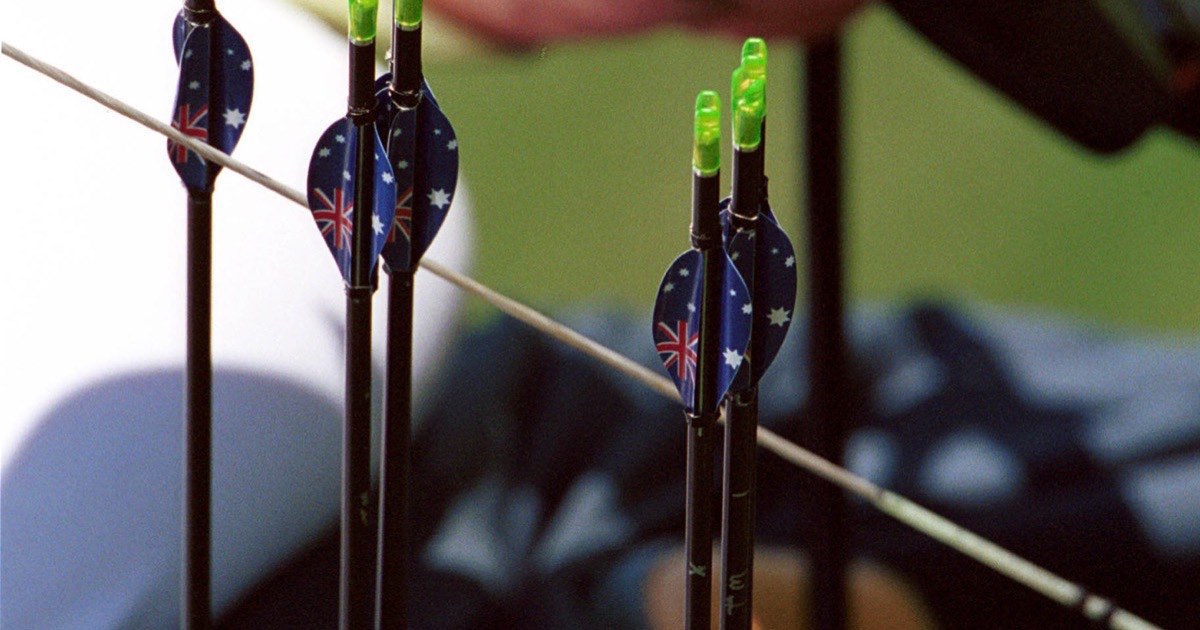
Archery 360 notes that "carbon fiber's strength and light weight make it a favorite arrow material for most archers and bowhunters." Aluminium arrows are also a sensible beginner choice, especially for target shooting; our carbon vs aluminium comparison explains the trade-offs. Whatever the material, arrows must be the right spine (stiffness) and length for your bow and draw. See how to choose arrows.
Finger protection or a release
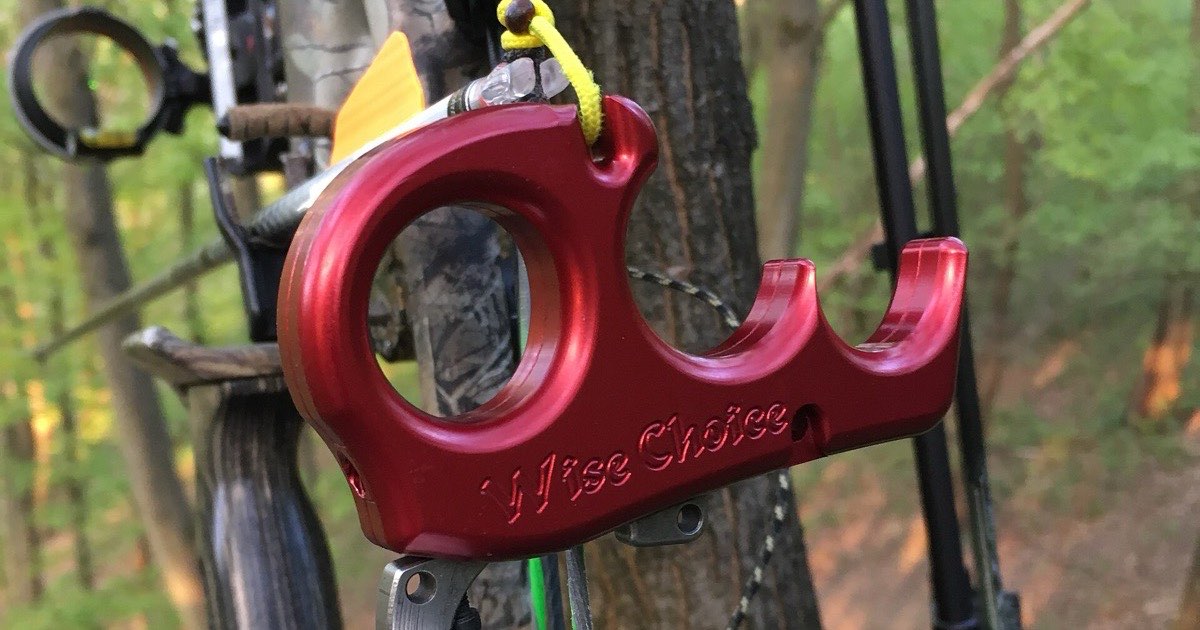
Recurve and traditional archers draw with their fingers, so they need a tab or a shooting glove. Bearpaw says gloves give fingers good protection and warmth and suit beginners, while tabs are cheaper, quick to take on and off, and give a "clean release". Compound archers usually use a mechanical release aid that clips to a D-loop on the string. Our arm guard, tab and glove guide compares them.
Arm guard
An arm guard protects the inside of your bow arm from the string. Good form keeps the string away from your arm, but beginners, and anyone wearing loose clothing, benefit from one.
Quiver
A hip quiver is popular for target and field archery. Bow quivers clip to the bow and are common for hunting. Ground quivers hold arrows at the shooting line. Our Easton Flipside review looks at a typical hip quiver.
Target
Clubs and ranges provide targets. If you shoot at home, you need a target suited to your bow (field points, broadheads or crossbow bolts) and a safe backstop. Our backyard range guide and target comparison can help.
What each discipline adds
Olympic-style (sighted) recurve
| Add | Purpose |
|---|---|
| Sight | Aiming at known distances |
| Arrow rest and pressure button (plunger) | Arrow support and tuning |
| Stabilizers | Balance and steadiness |
| Clicker (later) | Consistent draw length and release timing |
| Finger tab with a platform | Consistent anchor under the chin |
Most clubs start beginners without these, then add a sight first.
Barebow
Barebow uses a recurve without a sight, stabilizers or clicker. World Archery allows fixed weights on the bottom of the riser and a rest and pressure button. You will want a tab with a scale if you plan to string walk; see our barebow guide.
Compound (target or 3D)
| Add | Purpose |
|---|---|
| Release aid and D-loop | Clean, consistent release |
| Peep sight | Rear sight in the string; see our peep and kisser guide |
| Sight | Single-pin or multi-pin; see single-pin vs multi-pin |
| Arrow rest | Drop-away or containment rest |
| Stabilizer | Balance and steadiness |
Traditional (longbow or traditional recurve)
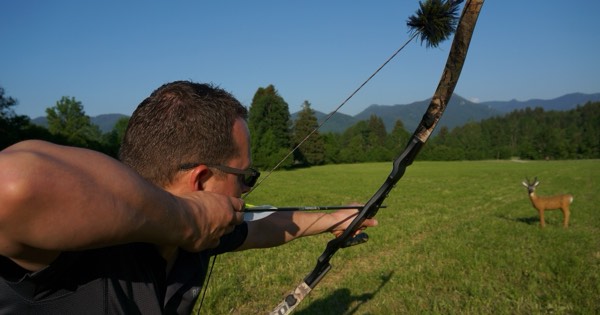
Keep it simple: bow, wooden or carbon arrows with feathers, a glove or tab, an arm guard and a quiver. Feathers forgive contact with the bow when shooting off the shelf; our feathers vs vanes comparison explains why.
Bowhunting
| Add | Purpose |
|---|---|
| Broadheads | Legal, sharp hunting heads; see fixed vs mechanical |
| Rangefinder | Exact distance; see our rangefinder guide |
| Bow quiver | Arrows on the bow, ready to hunt |
| Safety harness (tree stands) | Essential whenever you leave the ground |
| Camouflage, knife, tags, headlamp, tracking kit | Practical and often legally required |
Missouri's conservation department adds two practical tips: a release aid "helps ensure that the string is released properly and consistently," and you should "practice shooting your bow with your quiver on if that is the way you plan to hunt." Our beginner's bowhunting guide has a full first-season checklist.
Crossbow
A crossbow needs bolts and points matching the maker's specifications, a cocking device, a scope (usually included), a crossbow-rated target, and broadheads for hunting. See our guides to sighting in a crossbow scope and crossbow broadheads.
Nice to have, once you are hooked
- Bow case for travel and storage. Archery 360 lists a case as essential if you travel; our Plano case review covers a hard case.
- Bow stand to keep the bow off the ground at the range.
- Arrow puller for gripping arrows in tight targets.
- Basic tools: Allen keys, a bow square, string wax.
- Spare arrows, nocks and fletching; a fletching jig if you want to repair your own. See our Bohning Tower Jig review.
- Stabilizers and upgraded sights once your form is consistent.
What to skip as a beginner
- Very high draw weights. They wreck form and enjoyment.
- Expensive sights and stabilizers before you can group arrows consistently.
- Bargain bundles with unknown arrows. Arrows matched to your bow matter more than extra accessories in the box.
- Gadgets that promise accuracy. Coaching and practice beat almost every gadget.
- Buying a bow before trying one. A lesson or club session tells you which style you enjoy.
Budget tiers, explained by features
Prices change constantly, so rather than quote numbers, here is what you typically get as you spend more.
Entry level. A simple takedown recurve or an adjustable "ready to hunt" compound package, basic aluminium or carbon arrows, a plain tab or glove, a simple arm guard and a hip quiver. This is enough to learn properly. The priority is fit: a light, correct-length recurve or a compound set to your draw length.
Mid range. A recurve riser with standard ILF limb fittings so you can upgrade limbs as you get stronger, or a compound with better cams, a smoother draw and a quality rest and sight. Better arrows with tighter straightness and weight tolerances. A properly fitting tab or a decent release aid.
Advanced. Competition risers and limbs, high-end sights and stabilizer systems, precision arrows, and specialised releases. These help experienced archers squeeze out the last few points; they do little for someone still learning a consistent shot.
The biggest single jump in results usually comes from moving from ill-fitting equipment to equipment that fits, not from moving between price tiers.
Buying used equipment
Second-hand bows can be excellent value, especially takedown recurves and sights. A few precautions:
- Check the limbs for cracks, twists, delamination or splinters, especially near the tips and limb pockets.
- Check compound cams and strings for fraying, worn serving or bent cams. Old strings and cables may need replacing.
- Confirm draw length and draw weight suit you; many compounds adjust only within a range.
- Never dry-fire a bow to "test" it. If in doubt, have a shop inspect it.
- Buy arrows new or have used arrows inspected. Cracked carbon arrows can shatter.
Equipment for children
Children need the same basics, scaled down: a light bow sized to their draw length, matched arrows, an arm guard, finger protection and close supervision. Avoid toy bows that shoot poorly and teach bad habits, but also avoid adult bows that are too heavy. Our guide to choosing a bow for a child covers sizing and safety in detail.
Looking after your equipment
- Unstring recurves and longbows after shooting; never leave them strung for long periods.
- Store bows flat or on a rack, away from heat, such as a hot car.
- Wax the bowstring as the manufacturer recommends, and replace frayed strings.
- Inspect arrows before every session for cracks, loose points and damaged fletching.
- Keep releases and sights clean and dry, and check screws for tightness.
Clothing and safety
Archery 360's safety advice is simple: "Wear closed-toed shoes like sneakers," avoid baggy clothing, and "if you have long hair, wear it in a ponytail or pull it away from your face." Remove loose jewellery and lanyards that could catch the string. Shoot only where there is a safe backstop and nobody downrange, and follow the range's whistle commands; our range safety guide explains them.
Where to buy and how to start
Archery 360 calls archery shops "hubs for archery knowledge, equipment repairs, and everything you need to get started." A good shop will measure your draw length, let you try bows, set up arrows and show you how to use the equipment. For lessons, Archery 360 suggests that "a 30-minute one-on-one lesson is a great introduction," extending to an hour as you progress.
A sensible order:
- Take a lesson or club beginner course using club equipment.
- Decide on a discipline you enjoy.
- Get fitted for draw length and a comfortable draw weight.
- Buy the essentials above, matched to your bow.
- Add extras slowly, one at a time, when you know why you need them.
What to bring to your first range session
If you are using club equipment, you need very little: comfortable clothes with fitted sleeves, closed-toe shoes, water, and sunscreen or a hat for outdoor ranges. If you have your own gear, add:
- Your bow, strung or with a stringer, plus spare string if you have one.
- All your arrows, checked for damage.
- Tab, glove or release, and your arm guard.
- Quiver.
- A small tool kit: Allen keys and a bow square.
- A notebook or phone to record sight marks, settings and what you worked on.
Arrive early, introduce yourself to the range officer or coach, and ask about local rules before you shoot.
Your printable checklist
| Category | Item | Recurve | Compound | Traditional | Hunting |
|---|---|---|---|---|---|
| Bow | Fitted bow | Yes | Yes | Yes | Yes |
| Arrows | Matched set, 6 or more | Yes | Yes | Yes | Yes |
| Release | Tab or glove | Yes | No | Yes | If finger shooting |
| Release | Release aid and D-loop | No | Yes | No | If compound |
| Protection | Arm guard | Yes | Yes | Yes | Recommended |
| Storage | Quiver | Yes | Yes | Yes | Bow quiver |
| Aiming | Sight | Optional | Yes | No | Usually |
| Aiming | Peep sight | No | Yes | No | If compound |
| Target | Target and backstop | Club or own | Club or own | Club or own | Broadhead-rated |
| Tools | Stringer | Yes | No | Yes | If recurve |
| Hunting | Broadheads, rangefinder, harness | No | No | No | Yes |
Starting with a minimal kit
Advantages
- Lower cost and fewer things to set up
- Forces you to focus on form
- Lets you choose upgrades once you know what you need
Trade-offs
- Some accessories, like a sight, help progress later
- You may need to buy again if you change discipline
You can browse beginner recurve bows, arm guards or hip quivers on Amazon. Check fit, draw weight and arrow compatibility before buying.
Frequently asked questions
What equipment do I need to start archery?
A fitted bow, matched arrows, a tab, glove or release, an arm guard, a quiver and a safe target. Lessons are the best first investment.
Do I need an arm guard?
It is strongly recommended for beginners. It protects your forearm from the string and stops sleeves catching it.
Should I buy a recurve or compound as a beginner?
Either works. Many clubs start beginners on recurves; compounds suit people who want to hunt or shoot with sights and a release. Try both if you can.
How many arrows should a beginner have?
At least six matched arrows, so you can shoot full ends and still have spares.
Do I need a bow stringer?
Yes, for recurves and longbows. It is the safe way to string the bow and prevents twisted limbs.
Can I share equipment with a friend or family member?
You can share bows of the right size and draw weight, targets and tools. Arrows must suit each archer's draw length and bow, and personal items like tabs and gloves should fit the person using them.
Is it cheaper to join a club than to buy equipment?
Often, at first. Clubs usually lend equipment during beginner courses, which lets you learn and choose a discipline before spending money on your own bow.
Related articles
 Guides
How to Choose Your First Recurve Bow: A Beginner's Guide
How to choose a first recurve bow: takedown vs one-piece, draw weight, bow length for your draw length, riser types, eye dominance, and essential accessories.
Updated February 6, 2025 · 11 min read
 Guides
How to Choose Arrows: Spine, Length, Weight and Spine Charts
How to choose arrows: what spine means, reading a spine chart, measuring arrow length, arrow weight and FOC, fletching, and bare-shaft tuning to confirm it.
Updated June 26, 2026 · 9 min read
 Training
Archery Draw Length: How to Measure It and Why It Matters
How to measure archery draw length with the wingspan method or at full draw, what the AMO standard means, and how it affects bow size, draw weight, and arrows.
Updated February 6, 2025 · 8 min read