
What Is Barebow Archery? Rules, Gear and How to Start
What is barebow archery? World Archery's equipment rules, how barebow differs from Olympic recurve and traditional bows, aiming methods and how to start.
By Archery Insider Editorial Team
· 9 min read

In this article
Barebow is archery stripped back to the bow, the arrow and the archer. It uses a modern recurve bow, but without a sight, stabilizers or a clicker. Archers aim using the arrow itself, usually by string walking or gap shooting, and compete in field, 3D, target and indoor archery around the world.
This guide explains World Archery's barebow rules, how barebow compares with Olympic recurve and traditional bows, how barebow archers aim, where they compete and how to start.
Barebow at a glance
| Barebow | |
|---|---|
| Bow | Recurve, usually a takedown riser with limbs |
| Sight | Not allowed; the bow "must be free of custom marks or devices that assist in aiming" |
| Stabilization | Only fixed weights on the bottom of the riser |
| Arrow rest and pressure button | Allowed |
| Clicker | Not allowed |
| Release | Fingers on the string, usually with a tab |
| Aiming | Arrow point: string walking, gap shooting, face walking or instinctive |
| Competitions | Field, 3D, target and indoor |
World Archery's equipment rules
World Archery's barebow page sets out the key points:
- The ring test. "The whole bow, when not strung, must fit through a ring that measures 12.2 centimetres in diameter." This limits the size of the riser and any weights.
- Weights. "Fixed weights can be attached to the bottom of the riser, but no other stabilisation or dampers are permitted."
- No aiming aids. "The bow must be free of custom marks or devices that assist in aiming."
- Rest and button. Arrows "sit in the bow on an arrow rest and usually against a pressure button, which is a spring that depresses when the arrow is released."
- String walking. Archers "must string-walk with nothing more than a simple scale on their tab."
World Archery's "5 things you should know about barebow" also lists no sights, stabilizers, clickers or release aids. National bodies and local clubs may have their own variations, so check the rules for the event you enter.
Barebow vs Olympic recurve vs traditional
| Barebow | Olympic recurve | Traditional or longbow | |
|---|---|---|---|
| Sight | No | Yes | No |
| Stabilizers | No (fixed riser weights only) | Yes | No |
| Clicker | No | Yes | No |
| Pressure button | Yes | Yes | Varies by class |
| String walking | Yes | No (fixed anchor under the chin) | Not allowed in World Archery traditional and longbow classes |
| Typical riser | Modern metal or carbon recurve riser | Modern recurve riser | Wood-based riser or one-piece bow |
For the traditional and longbow classes in detail, see our longbow vs recurve comparison.
How barebow archers aim
Without a sight, barebow archers use the arrow point as their reference. Our aiming guide explains each method; in brief:
- String walking. The point stays on the target at every distance. World Archery describes it: "the further away the target is, the higher up the string the fingers will be placed (close to the arrow); the closer the target is, the lower down the string the fingers will be placed." Archers record the "crawl" for each distance on the scale of their tab.
- Gap shooting. Keep the same finger position and anchor, and hold the point a set gap below the target, shrinking with distance.
- Face walking. Change the anchor height on your face instead of the finger position.
- Combining methods. Many barebow archers string walk at shorter distances and gap at longer ones, especially in field and 3D where distances vary.
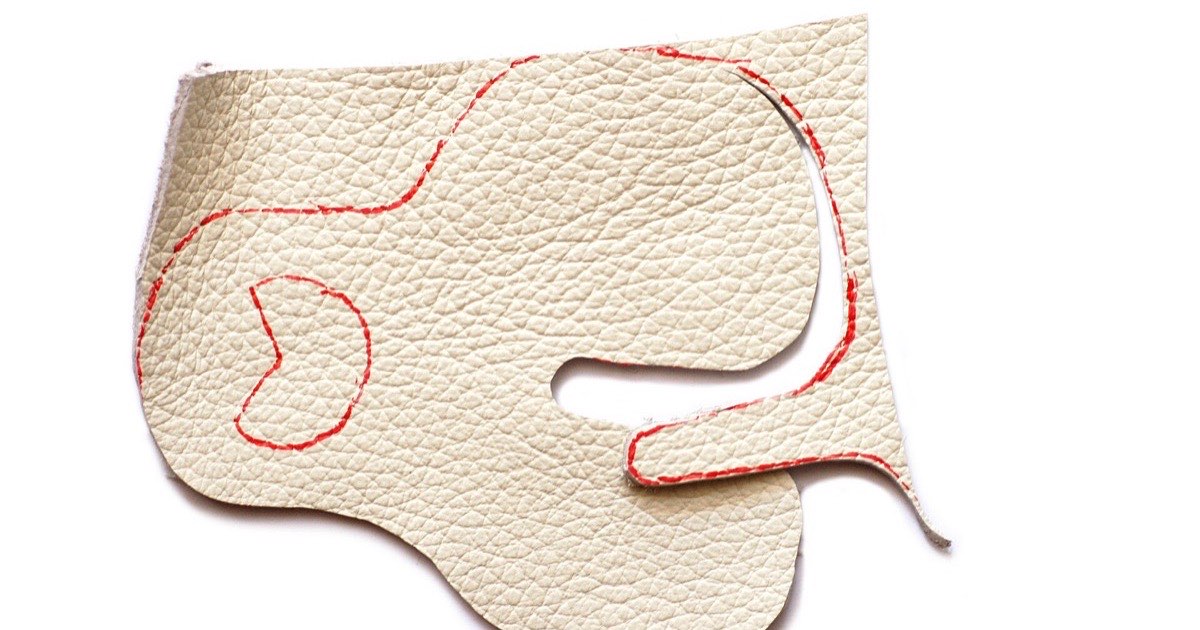
ImproveYourArchery notes that string walking trades some consistency, because moving the fingers changes how the bow behaves. That is part of the skill.
Barebow equipment in detail
- Riser. Most barebow archers use a modern metal or carbon takedown riser. Some risers are designed specifically for barebow, with built-in weight and no sight or stabilizer mounts. It must pass the 12.2 cm ring test with any weights fitted.
- Limbs. Standard ILF limbs let you change draw weight and quality as you progress. Because barebow archers often anchor higher on the face than Olympic archers, their effective draw length and weight can differ slightly.
- Weights. Fixed weights on the bottom of the riser add stability and reduce the bow's tendency to jump at release. World Archery allows them as long as no other stabilization is used.
- Rest and pressure button. A simple stick-on or adjustable rest and a pressure button (plunger) let you tune the arrow's flight, which matters even more when string walking changes the bow's behaviour.
- Arrows. Consistent, well-spined arrows are essential. Some barebow archers use heavier points to bring their point-on distance closer.
- Tab. A tab with a simple scale for string walking, as World Archery permits.
String walking, step by step
- Find your point-on distance, where the arrow point sits on the target with your fingers right under the arrow.
- Shoot at a closer distance with the point on the target. The arrows will hit high.
- Move your fingers down the string, away from the arrow, in small steps, keeping your anchor the same, until arrows hit the centre with the point on the target.
- Measure the crawl, the distance from the nock to your index finger, using the marks on your tab.
- Repeat at several distances and record each crawl.
- Build a crawl chart so you can set the right finger position for any distance.
Because your fingers move away from the nock, the bow's tune and tiller can change. Many barebow archers tune for a middle distance and accept small differences at the extremes.
Where barebow archers compete
- Field archery. Barebow was "included in the first World Archery Field Championships in 1969", and remains a core division.
- The World Games. Barebow has featured "since 1985".
- 3D archery. Barebow is one of the four divisions at the World Archery 3D Championships. At Yankton 2026, France's David Jackson won his third barebow men's title; see our 2026 World 3D results.
- Target and indoor archery. World Archery recognised barebow for target archery in 2020, and it is also shot indoors.
World Archery's article notes that Scandinavian and European nations are especially strong in barebow, and that it is often used as an introduction to the sport.
Judging distance in field and 3D
In target archery the distance is fixed, so a barebow archer simply sets the crawl for it. Field and 3D archery often include unmarked distances, so you must estimate the range and then choose your crawl or gap. Good barebow field archers practise estimating distances constantly, learn how slopes and light change how distances look, and use reference points on the course. Combining a short crawl chart with gap shooting at longer ranges is a common strategy. At the 3D world championships, all qualification distances are unmarked, which makes distance judgement as important as shooting form.
Barebow or a traditional bow?
Both shoot without sights, but they suit different archers. Barebow uses a modern recurve with a rest, pressure button and riser weights, and allows string walking, so it can be tuned precisely and score highly. Traditional bows and longbows keep things simpler: wooden or wood-based risers, often shooting off the shelf, and in World Archery classes no string walking. If you love tuning and precision, barebow may suit you; if you value simplicity and tradition, try a longbow or traditional recurve. Our longbow vs recurve comparison explains the traditional classes.
Why archers choose barebow
World Archery's athletes describe barebow as more about enjoyment than superiority: "It was love at first sight," one said, describing "a bigger connection with the bow while I'm shooting." Others point to the mental challenge and the satisfaction of "hitting a target without sights on your bow." It is also cheaper and simpler than a full Olympic recurve setup, and the same bow can later be converted to Olympic style by adding a sight and stabilizers.
Common barebow mistakes
- Changing anchor and crawl at the same time. Keep one constant while you learn the other.
- Inconsistent finger pressure. Uneven pressure on the string fingers changes where arrows go. Many barebow archers favour a consistent "three under" grip when string walking.
- Looking at the arrow instead of the target. Focus on the spot; let the arrow point sit in your peripheral vision.
- Too much draw weight. Barebow rewards control. A lighter bow you can hold steady beats a heavy one.
- Skipping tuning. A poorly tuned bow hides behind good form for a while, then limits your scores.
How to start barebow
- Try a club bow. Most clubs start beginners on simple recurves without sights, which is effectively barebow.
- Get a suitable riser and limbs. A takedown recurve with standard (ILF) limb fittings gives you room to upgrade. Our first recurve guide covers sizing and draw weight.
- Add a rest, pressure button and riser weights that pass the ring test if you plan to compete.
- Get a finger tab that fits your hand; add a scale if you string walk.
- Choose arrows spined for your setup and keep them consistent.
- Learn one aiming method well before mixing methods.
- Find competitions: local field and 3D shoots are friendly places to start.
A simple training plan
- Weeks 1 to 4: form and anchor on a blank bale and at short range; learn your point-on distance.
- Weeks 5 to 8: string walking at three or four distances; build your first crawl chart.
- Weeks 9 to 12: tune the rest and pressure button; shoot a practice round at a local club.
- Ongoing: shoot field or 3D courses to practise unknown distances, and keep a notebook of crawls and scores.
Our aiming guide includes drills you can add to each stage.
Barebow
Advantages
- Simple, affordable equipment
- A pure test of form and judgement
- Strong international competition in field, 3D and target
- Can be converted to Olympic recurve later
Trade-offs
- Harder to score as high as sighted bows at long distances
- String walking adds tuning complexity
- Equipment rules (ring test, no stabilizers) limit setup choices
You can browse ILF recurve risers, barebow weights or finger tabs on Amazon. Check limb fittings and ring-test sizes before buying competition gear.
Frequently asked questions
What is the difference between barebow and recurve?
Barebow is a recurve without a sight, stabilizers or clicker. Olympic recurve archers use all of those; barebow archers aim with the arrow point.
Is string walking allowed in barebow?
Yes. World Archery allows string walking in barebow, with only a simple scale on the tab.
Can you use weights on a barebow?
Yes, fixed weights on the bottom of the riser are allowed, as long as the unstrung bow still passes through the 12.2 cm ring.
Is barebow in the Olympics?
No. Recurve (with sights) is the Olympic style. Barebow features in field, 3D, target and indoor competitions and the World Games.
Is barebow good for beginners?
Yes. Many clubs teach beginners on bows without sights, and barebow builds strong fundamentals.
What draw weight should I use for barebow?
A weight you can hold and control comfortably for a full practice session. Many beginners start light and increase slowly. ILF limbs make it easy to step up as you get stronger.
Do barebow archers use a clicker?
No. World Archery's barebow rules do not allow a clicker, so barebow archers rely on a consistent anchor and draw for repeatable draw length.
Can I shoot barebow with any recurve bow?
You can practise barebow with almost any recurve by removing the sight and stabilizers. For competition, the bow must meet the rules, including passing through the 12.2 cm ring with any weights attached. A riser with weight mounts and standard limb fittings makes setup easier.
Related articles
 Training
How to Aim a Bow: Sights, Gap and Instinctive
How to aim a bow: eye dominance, anchor points, sights, gap shooting, string walking, face walking and instinctive aiming, with practice drills for each.
October 7, 2026 · 11 min read
 Guides
How to Choose Your First Recurve Bow: A Beginner's Guide
How to choose a first recurve bow: takedown vs one-piece, draw weight, bow length for your draw length, riser types, eye dominance, and essential accessories.
Updated February 6, 2025 · 11 min read
 Comparisons
Longbow vs Recurve Bow: Differences for Traditional Archers
Longbow vs recurve compared: limb shape, draw feel, hand shock, speed, length, accessories, competition rules, hunting and which traditional bow suits you.
Updated September 30, 2026 · 6 min read