
Easton Flipside 3-Tube Hip Quiver Review: A Practical Target Quiver
Easton Flipside 3-tube hip quiver review: separator tubes, 18-arrow capacity, reversible left or right wear, pockets and attachments, and set-up tips.
By Archery Insider Editorial Team
· · 6 min read

In this article
A hip quiver is one of the first things a new target archer buys, and one of the most underrated. A good one keeps arrows separated so fletching does not get crushed, holds the small tools you need on the line, and works whichever hand you shoot with. Easton's Flipside 3-Tube is a widely sold example that does all three. This review explains its features and how to choose a target quiver.
The short version
The Flipside has three injection-moulded tubes that separate and protect arrows, holds up to 18 arrows, and is made from high-denier polyester. A reversible hook-and-loop pocket lets it be worn on the right or left, and a stainless steel belt clip attaches it to your belt. It has an integrated T-square slot and an accessory grommet, and is sold in several colours.
Club and target archers, left- or right-handed
Easton Flipside 3-Tube Hip Quiver
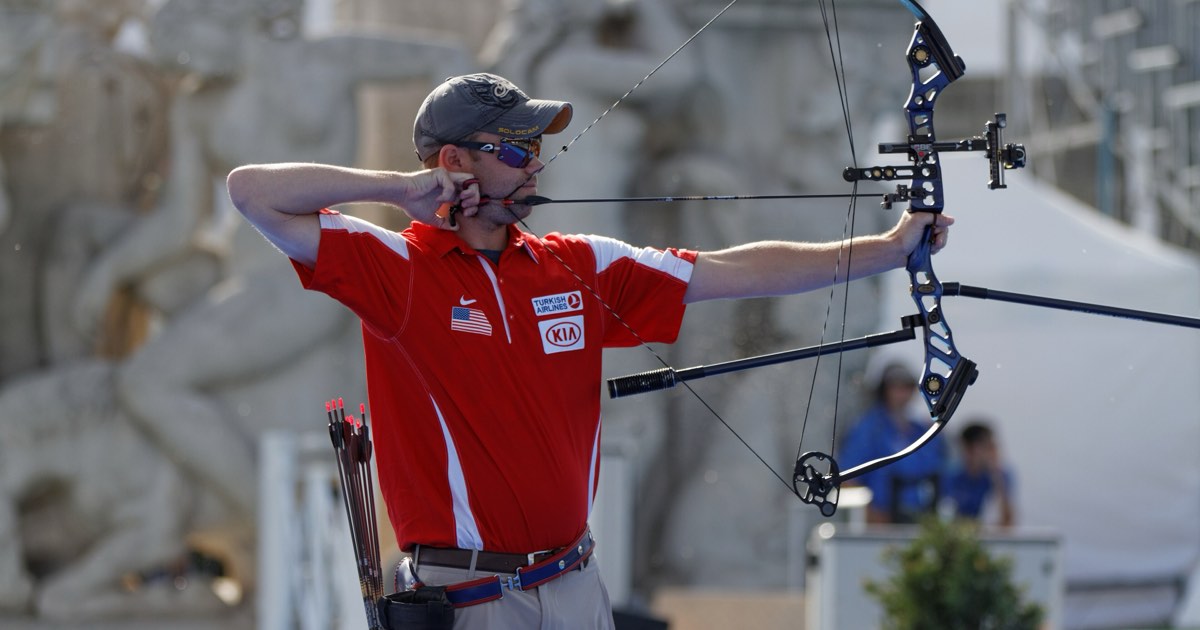
A three-tube target hip quiver that keeps arrows apart, carries basic tools, and can be switched between left and right sides. Sized for the six or twelve arrows most club archers shoot.
- Tubes
- 3 injection-moulded separator tubes
- Capacity
- Up to 18 arrows
- Material
- High-denier polyester
- Handedness
- Reversible; fits right and left hand
- Attachment
- Stainless steel belt clip
- Extras
- T-square slot, accessory grommet, pocket
Specifications: Easton Archery and retailer listings (see Sources)
Why tubes matter
Arrows dropped loosely into one quiver tube rub against each other: vanes get crushed, feathers get ruffled, and nocks can be damaged when you pull arrows out. Separate tubes let you:
- Keep arrows apart, protecting fletching.
- Sort arrows: for example, scoring arrows in one tube, spares in another, and practice arrows in the third.
- Pull the right arrow quickly, which matters under competition time limits of 90 seconds for three arrows.
Capacity
Eighteen arrows is more than most archers need on the line. Club and competition ends are three or six arrows, and most archers carry six to twelve. The spare capacity is useful for carrying a second set while tuning, or for children's sessions where an adult carries arrows for several archers.
Left or right
A hip quiver is worn on the draw-hand side so you can reach arrows without moving the bow. The Flipside's reversible pocket and clip let the same quiver be worn on either hip, useful for clubs and families sharing kit, and for archers who are not sure which way they will end up shooting. Our guide to choosing a bow for a child explains how dominant eye decides hand.
Pockets and attachments
- Pocket: for a finger tab, scorecard, pencil, spare nocks or allen keys.
- T-square slot: carries a bow square for checking brace height and nocking point at the range.
- Accessory grommet: for clipping on a tassel (to wipe arrows), a pin puller or small tools.
Hip quiver vs other quivers
| Quiver type | Where it sits | Best for |
|---|---|---|
| Hip quiver (like the Flipside) | On the belt at the hip | Target archery, ranges, competitions |
| Bow-mounted quiver | Attached to the bow | Bowhunting |
| Back quiver | Over the shoulder | Traditional archery, field courses |
| Ground or floor quiver | Stands at the shooting line | Indoor ranges, beginners |
How to set up a hip quiver
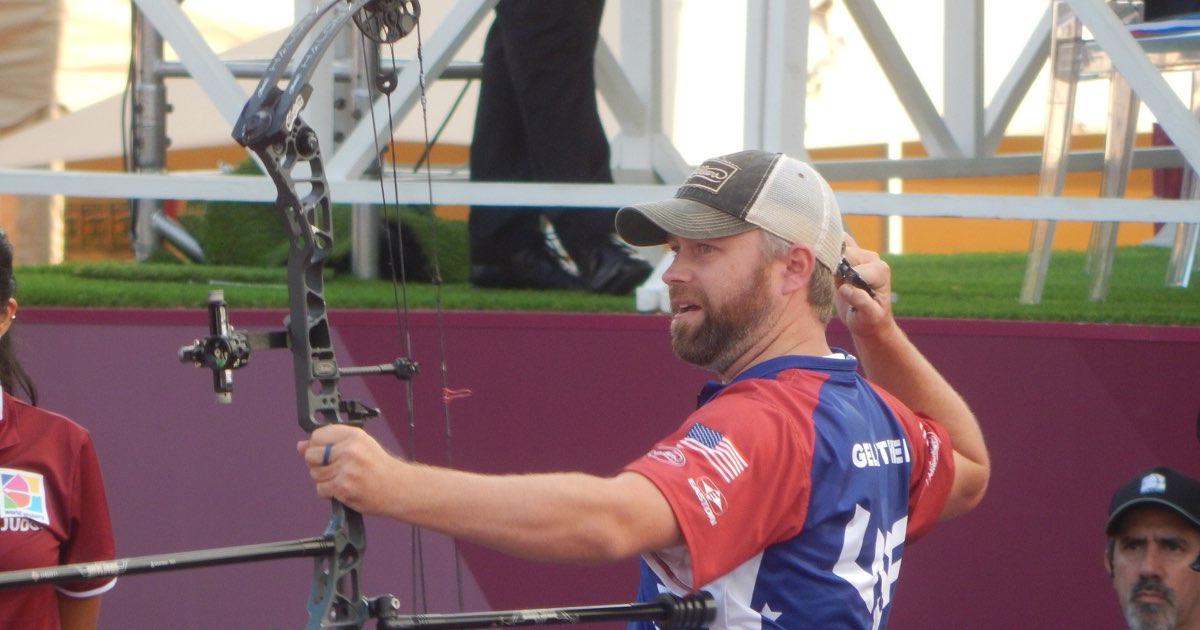
- Choose the side. Wear the quiver on your draw-hand side, slightly behind the hip so it does not get in the way of your stance.
- Use a sturdy belt. The belt clip needs a firm belt to stop the quiver swinging.
- Set the angle. Arrows should lean slightly back so you can pull them out with the nock leading, without hitting the bow.
- Organise the tubes. Scoring arrows in the rear tube, spares in the middle, and anything you are testing in the front tube, for example.
- Load the pocket with the essentials below.
What to keep in the pocket
| Item | Why |
|---|---|
| Spare finger tab or release | A lost tab ends a session |
| Pencil and scorecard | For scoring on the line |
| Spare nocks | Replace cracked nocks immediately |
| Allen key set | Tighten sights, rests and limb bolts |
| Arrow puller | Grips arrows for easier removal from dense targets |
| Bow square | Fits the integrated T-square slot |
Care
- Empty the quiver after sessions so damp fletching can dry.
- Shake out grit from the tubes, which can scratch shafts.
- Check the belt clip for wear periodically.
Common mistakes
- Wearing the quiver on the bow-hand side, which forces you to reach across your body.
- Letting arrows rattle loose in one tube, crushing fletching.
- Carrying cracked arrows in the same tube as good ones.
Who the Flipside suits
- Club and target archers, recurve or compound.
- Families and clubs sharing equipment between left- and right-handed archers.
- Beginners who want one quiver that will last as they progress.
Who should look elsewhere
- Bowhunters, who generally want a bow-mounted quiver that covers broadheads.
- Field and 3D archers who prefer a back quiver or a hip quiver with more storage for a long course.
Easton Flipside 3-Tube
Advantages
- Three tubes keep arrows separated and protected
- Reversible for left- or right-handed archers
- Holds up to 18 arrows
- T-square slot and accessory grommet
Trade-offs
- Not designed for broadheads or hunting
- Limited storage for long field courses
- Belt clip needs a sturdy belt
- More capacity than most target archers need
You can see the Easton Flipside on Amazon. Several colours are sold under the same model.
Buying checklist for a target hip quiver
| Check | Why it matters |
|---|---|
| Number of tubes | Separates scoring arrows from spares and protects fletching |
| Reversible or handed | Reversible quivers suit shared or growing archers |
| Pocket size | Room for a tab, scorecard, allen keys and spare nocks |
| Belt attachment | A firm clip or loop stops the quiver swinging |
| Tube length | Long enough that fletching sits inside, short enough not to snag |
| Weather resistance | Synthetic fabrics dry quickly after wet sessions |
How the Flipside fits into a beginner kit
A first target kit usually includes a bow, matched arrows, an arm guard, a finger tab or release, a bow stringer for recurves, and a quiver. Our guide to choosing your first recurve lists the full set, and our Easton XX75 Jazz review covers the arrows many beginners carry in a quiver like this one.
Frequently asked questions
Does it fit carbon and aluminium arrows?
The tubes take standard target and hunting arrow diameters. Very large-diameter indoor arrows with big vanes may be a tight fit in a full tube.
Can I attach it without a belt?
The stainless clip is designed for a belt. Some archers use a dedicated quiver belt so the quiver sits at the same height every session.
Which side should a hip quiver go on?
On your draw-hand side: the right hip for a right-handed archer, the left for a left-handed archer.
How many arrows should I carry?
At least as many as the end you are shooting, plus one or two spares. Six to twelve suits most club sessions.
Can I use a hip quiver for hunting?
It is not designed for broadheads, which should be covered. Hunters normally use a bow-mounted quiver.
Sources
- Flipside 3-Tube Hip Quiver, Fits RH and LH – Easton Archery
- Easton Flipside 3-Tube Hip Quiver – Bass Pro Shops
- Easton Flipside 3-Tube Hip Quiver – Academy Sports
Related articles
 Reviews
Easton XX75 Jazz Arrows Review: The Beginner Aluminium Standard
Research-based Easton XX75 Jazz review: 7075 alloy, ±.005 in straightness, sizes 1214 to 2016, how to pick a size for your recurve, and when to move to carbon.
Updated August 6, 2025 · 4 min read
 Guides
Archery Range Safety Rules and Whistle Commands Explained
Archery range safety explained: whistle commands, shooting and waiting lines, collecting arrows safely, equipment checks, and what the Fast call means.
Updated April 10, 2026 · 10 min read
 Guides
How Archery Scoring Works: Target Faces, Rings and Match Rules
How archery scoring works: ring values and colours, target face sizes, line cutters, X counts, the recurve set system, compound matches and shoot-offs.
Updated September 14, 2026 · 8 min read