
Fixed-Blade vs Mechanical Broadheads: Pros, Cons and Rules
Fixed-blade vs mechanical broadheads compared: flight, tuning, cutting diameter, energy needs, durability, hybrid designs, regulations and which suits your bow.
By Archery Insider Editorial Team
· · 6 min read
In this article
Every bowhunter eventually faces the same decision: fixed-blade or mechanical broadhead? Both are designed to kill quickly and cleanly by cutting, and both are used successfully by hunters everywhere they are legal. They get there in different ways, and the right choice depends on your bow, your arrows, the game you hunt and the rules where you hunt.
This comparison explains how each type works, the real trade-offs, how to tune them, and the regulations you need to check.
The quick answer
| If you... | Lean towards |
|---|---|
| Shoot a lower-energy set-up (light draw weight, traditional bow, short draw) | Fixed-blade |
| Want maximum durability on heavy bone or large game | Fixed-blade |
| Want arrows that group with field points with minimal tuning | Mechanical |
| Shoot a fast, high-energy compound or crossbow | Either; mechanical becomes more practical |
| Hunt where expandables are restricted | Fixed-blade (and check the rules) |
How they work
Fixed-blade broadheads
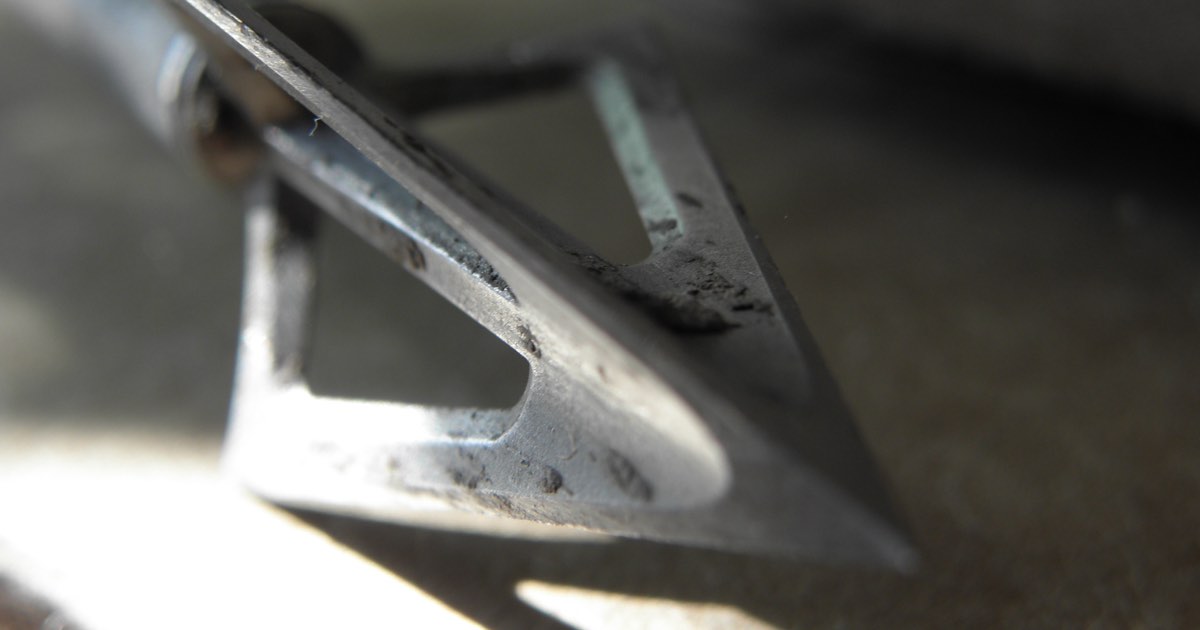
The blades are fixed in the open position at all times, usually in a two, three or four-blade design. Tips are either cut-on-contact (the blade edges extend to the point) or chisel (a hard point punches through before the blades cut). Some fixed heads have replaceable blades; others are one-piece and can be resharpened.
Mechanical (expandable) broadheads
The blades are folded against the ferrule in flight, held by a band, clip or friction, and open on impact. In flight the head presents a small profile, similar to a field point, which is why mechanical heads usually group with field points. Once open, they cut a wider hole than most fixed heads.
Hybrid broadheads
Hybrids combine a fixed main blade with additional expanding blades. They aim to guarantee a cutting path even if the expanding blades fail to open.
Side-by-side comparison
| Fixed-blade | Mechanical | |
|---|---|---|
| Blades in flight | Always open | Folded until impact |
| Flight vs field points | Needs tuning to match | Usually groups with field points |
| Typical cutting diameter | Smaller | Larger |
| Energy used on impact | Little (blades already open) | Some energy used to open blades |
| Moving parts | None | Blades, bands or clips |
| Durability on bone | High | Varies by design |
| Resharpenable | Many designs | Usually replace blades |
| Wind sensitivity | More (exposed blades) | Less (closed profile) |
| Regulations | Legal almost everywhere bowhunting is | Restricted in some jurisdictions |
Flight and tuning
Exposed blades act like small wings at the front of the arrow. If the arrow leaves the bow even slightly crooked, a fixed-blade head magnifies the error and steers the arrow away from where field points land. That is why fixed-blade users talk about broadhead tuning:
- Shoot field points and fixed broadheads at the same aiming spot from 20 to 30 yards.
- If broadheads land away from field points, adjust the rest (move it in the opposite direction to the broadhead impact for left-right, or adjust nocking point height for high-low), one small step at a time.
- Confirm with paper tuning or walk-back tuning, and check each broadhead spins true on the arrow.
Mechanical heads are much less sensitive because the blades are closed in flight, so most set-ups group them with field points after minimal adjustment. They still need a well-tuned bow; they just hide small errors better.
Energy, penetration and cutting diameter
Penetration depends on how much energy and momentum the arrow carries and how efficiently the head cuts. A fixed head starts cutting immediately with no energy spent opening blades. A mechanical head spends some energy deploying its blades, then cuts a wider channel.
That trade-off is why many experienced hunters recommend fixed blades for lower-energy set-ups such as traditional bows, light draw weights and short draw lengths, and treat mechanical heads as most suitable for faster compound bows and crossbows. Heavier arrows with more front-of-centre weight help either type penetrate; our arrow selection guide explains FOC.
Durability
Fixed heads have no moving parts to fail. Solid, one-piece fixed heads are especially tough and can often be resharpened. Mechanical heads depend on blades opening reliably; blades can bend or fail on hard bone, and bands or clips must be in good condition. Inspect mechanical heads after every practice shot and replace damaged blades.
Regulations
- Minimum cutting diameter. Many U.S. states require big game broadheads to cut at least 7/8 inch with at least two cutting edges.
- Expandable restrictions. Some jurisdictions restrict or have restricted expandable heads for big game. Idaho, for example, changed its law in 2022 to allow mechanical broadheads after previously prohibiting expandables. Washington requires broadheads to be unbarbed and sets closure requirements that some expandable designs do not meet.
- Barbs. Barbed broadheads are prohibited in many places.
- Species. Rules may differ for elk, deer, turkey and other game.
Always read the current regulations for the state or country and species you are hunting.
Fixed-blade broadheads
Advantages
- No moving parts; very durable
- Cuts on contact with no energy spent opening blades
- Legal almost everywhere bowhunting is permitted
- Many designs can be resharpened
Trade-offs
- Needs careful tuning to group with field points
- Exposed blades are more affected by wind
- Smaller cutting diameter than most mechanicals
- Fixed blades are a hazard in quivers and when handling
Mechanical broadheads
Advantages
- Usually groups with field points with little tuning
- Larger cutting diameter once open
- Closed profile is less affected by wind
- Popular choice for fast compounds and crossbows
Trade-offs
- Uses energy to open; less suited to low-energy set-ups
- Moving parts can fail or be damaged
- Restricted in some jurisdictions
- Blades usually replaced rather than resharpened
Safety and handling
- Keep broadheads covered in a quiver with a hood.
- Use a broadhead wrench to fit and remove heads; never hold the blades.
- Practise with dedicated practice heads or into a target rated for broadheads, with a solid backstop. Our target comparison covers broadhead-rated targets.
- Spin-test every arrow with its broadhead fitted; a wobbling head will not fly true.
You can browse fixed-blade broadheads or mechanical broadheads on Amazon. Check grain weight, cutting diameter and your local rules first.
Frequently asked questions
What grain broadhead should I use?
100 and 125 grains are the most common. Use the weight your arrows are spined for, and match your practice points to it.
Do mechanical broadheads fly like field points?
Usually very close, because the blades are closed in flight. Always confirm by shooting both at the same spot before hunting.
Can I use mechanical broadheads with a crossbow?
Many mechanical heads are designed specifically for crossbow speeds. Use heads rated for crossbows and check that your local rules allow them.
How do I know my broadheads are tuned?
When broadhead-tipped arrows group with your field points at your longest hunting distance, your set-up is tuned for hunting.
Sources
- Broadhead Regulations by State – OpticsPlanet
- Shooting down rumors about lighted nocks and expandable broadheads – Idaho Fish and Game
- Idaho Code § 36-1101A – Archery equipment – Justia
- Washington equipment and hunting methods – eRegulations (WDFW)
- Legal hunting methods and weapon restrictions – Oregon Department of Fish and Wildlife
Related articles
 Reviews
Gold Tip Hunter XT Arrows Review: A Workhorse Hunting Shaft Explained
Research-based Gold Tip Hunter XT review: ±.003 in straightness, .246 in bore, spines 250 to 500, how to pick a spine for your compound, and who these.
August 6, 2025 · 4 min read
 Comparisons
Crossbow vs Compound Bow: Which Is Better for You?
Crossbow vs compound bow compared: how each works, speed and energy, weight, holding and follow-up shots, accuracy, learning curve, hunting rules and costs.
August 12, 2026 · 5 min read
 Comparisons
Carbon vs Aluminium Arrows: Which Should You Shoot?
Carbon vs aluminium arrows compared: weight, stiffness, durability, straightness, consistency, safety checks, cost and which suits target, hunting or youth.
Updated May 14, 2026 · 7 min read