
Late-Season Bowhunting: Hunting and Shooting in the Cold
Late-season bowhunting in cold weather: how deer behave, where to hunt, dressing for long sits, shooting a bow in heavy clothes, gear in the cold, and safety.

By Archery Insider Editorial Team
· 11 min read
In this article
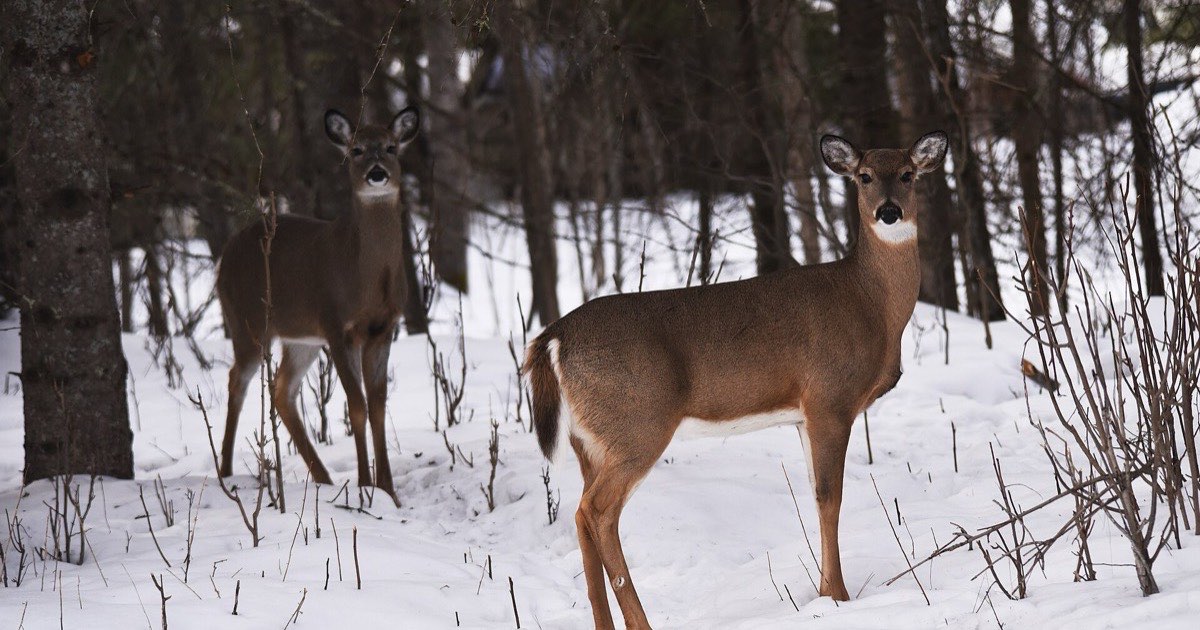
The late season is the toughest part of the bowhunting year. The rut is over, deer have been hunted for months, and the weather is cold enough to make every hour on stand a test. But it can also be one of the best times to fill a tag, because deer become focused on two things: food and staying warm.
This guide covers how deer behave in the late season, where to hunt, how to dress for long cold sits, how to shoot a bow accurately in heavy clothing, how cold affects your gear, and how to stay safe. Season dates and rules vary by state, so always check your own regulations.
What changes in the late season
After the rut, mature bucks are tired and have lost weight, does are pregnant, and all deer face the coming winter. Many have learned to avoid hunting pressure. Food is scarcer, and the cold costs energy. These changes make deer more predictable around food, but also more cautious. Our rut guide covers the period just before.
Late-season deer behaviour
Fat reserves, food and the metabolism myth
You will often read that deer "slow their metabolism" in winter. The National Deer Association says that's wrong: "whitetails do not lower their metabolism during winter… a whitetail's metabolism varies extremely little across the seasons." Instead, "body fat is the key physiological component of winter survival." In winter, "adult does can get more than 50% of their daily nutrition from their fat reserves," and their strategy is "reducing activity and thus fat usage during winter."
For hunters, that means deer conserve energy: they move less, bed in sheltered cover, and visit high-energy food sources when they do move.
Cold fronts and snow
Weather has a strong effect on late-season movement. MeatEater's Mark Kenyon describes "the mercury dropping into colder-than-usual temperatures" as a strong trigger, with deer hitting food sources earlier and longer in the first day or two after a significant cold front. He adds that "a windy, blustery blizzard will typically slow down deer as it passes through, but immediately upon things settling you can count on increased movement."
Watch the forecast. The days after a hard cold front or a snowstorm are often the best late-season opportunities.
Where to set up
- Food sources: standing crops, food plots, browse and acorns where they remain. Focus on whatever high-energy food is left.
- Thermal cover: dense conifers and sheltered south-facing slopes where deer bed out of the wind.
- The route between them: trails linking bedding cover to food, especially those that let deer stay in cover until the last moment.
- Afternoons: deer often feed later in the day, so evening sits near food can be productive.
Snow helps you read sign. Fresh tracks show which trails and food sources deer are using right now.
Hunting pressure
By the late season, deer have had months of hunters in the woods. A few habits help:
- Get in and out quietly. Plan access routes that keep you out of sight and away from bedding cover, even if they are longer.
- Don't over-hunt one stand. Every sit leaves scent and noise; save your best spots for the best conditions.
- Hunt the edges of cover, where deer feel safe moving in daylight.
- Play the wind on every sit. If the wind is wrong for a stand, hunt somewhere else.
Seasons and rules
Late-season opportunities vary widely by state. Some states have extended archery seasons, late antlerless seasons or special zones, and rules on crossbows and equipment differ. Check your state wildlife agency's current regulations for dates, tags and legal methods before you plan a hunt; our beginner's guide to bowhunting deer explains where to find them.
Dressing for cold-weather bowhunting
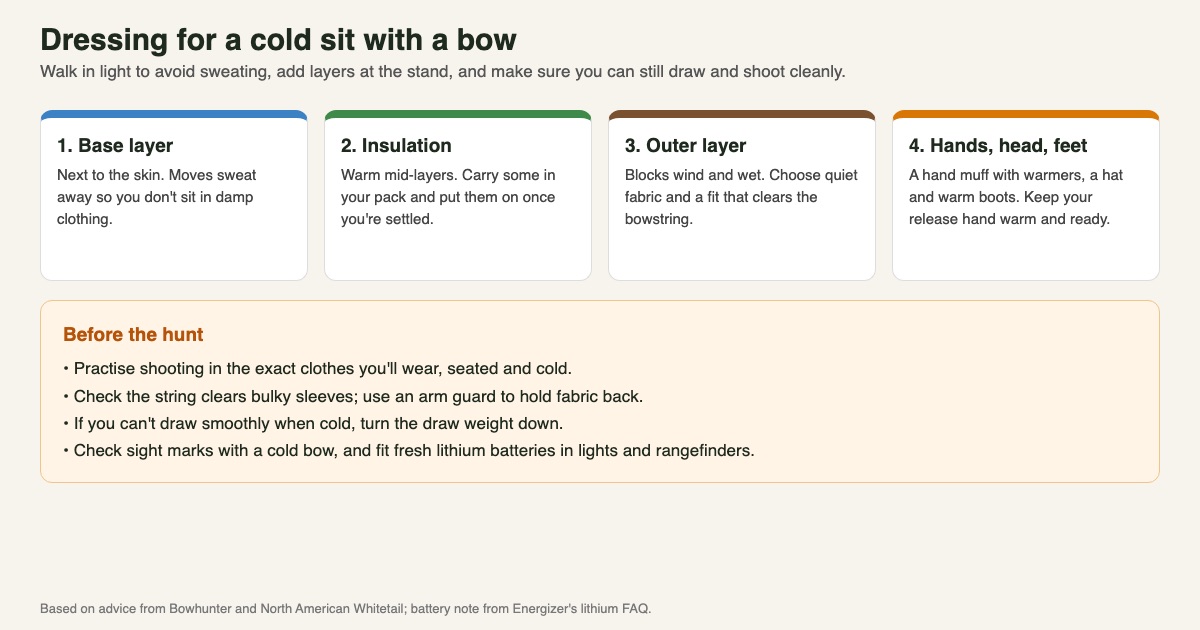
Layering and sweat management on the walk in
Bowhunter's Alex Gyllstrom puts the biggest mistake simply: "Nothing will create a miserable, cold and potentially dangerous situation faster than working up a sweat and then sitting in damp clothing." His advice: "If you're walking any distance at all, dress lighter than you think you need to; breaking a sweat is the last thing you want." Carry your insulation in a pack and put it on once you are settled.
A practical system is a moisture-moving base layer, warm mid-layers, and a quiet windproof outer layer. Many hunters prefer wool or synthetic layers to cotton, which holds moisture.
Hands: muffs, warmers and gloves you can shoot in
Cold hands make it hard to draw smoothly and to trigger a release. Many bowhunters wear a thin glove on the release hand and keep both hands in a hand muff with chemical warmers between shots. Practise drawing and triggering your release in whatever gloves you'll hunt in; our release aid guide covers fitting a release to cold-weather hands.
Feet and stand time
Feet get cold fastest on a stand. Insulated boots, warm socks (with a spare dry pair for after the walk in) and boot covers or warmers help. Keep moving your toes, and get down before you are too cold to climb safely.
Shooting a bow in the cold
Practise in your hunting clothes
North American Whitetail's Jace Bauserman says: "You need to practice shooting while cold, but you also need to practice shooting in the cold with the late-season apparel you plan to wear." Bulky clothing changes your anchor, your bow arm and how the string travels.
String slap and bulky sleeves
Bauserman describes a miss when his "bowstring slapped the heavy sleeve of my coat." Check that the string clears your sleeve at full draw, and use an arm guard to hold fabric out of the way; our arm guard guide explains the options.
Drawing when cold: draw weight
Your muscles are weaker and stiffer after hours in the cold. Bauserman's test: "If you can't do it or have to point your riser toward the heavens or the ground… turn your draw weight down." Our draw weight guide explains how to keep enough energy for a clean kill at a lower weight.
Check sight marks with a cold bow
Bauserman adds: "I regularly lock my bow in the garage overnight and let it get good and cold. Then, first thing in the morning, I check ranges." Cold, heavy clothing and stiff muscles can all shift your point of impact, so confirm your pins in real conditions.
Keep shots honest
Cold fingers, shivering and bulky clothes make every shot harder. Be more conservative about distance than you would in October; our guide to effective bow range explains how to set your limits.
Gear in the cold
- Batteries: lighted sights, rangefinders and lighted nocks rely on batteries. Energizer explains that lithium batteries "use an organic electrolyte that is not as affected at low temperatures" as alkaline cells. Carry spares in an inside pocket. Our rangefinder guide and lighted sights guide cover these devices.
- Strings: wax your string before wet or snowy hunts and wipe the bow dry afterwards; see how to wax a bowstring.
- Release aid: check it works with your gloves.
- Arrows and broadheads: check for ice or snow in the quiver and on vanes before the shot.
- Condensation: when you bring a cold bow indoors, let it dry before casing it.
Safety: hypothermia, frostbite, wind chill and icy stands
Long, still sits in cold weather carry real risks. This is general information; if you suspect a cold injury, get medical help.
Hypothermia
The CDC lists hypothermia warning signs in adults as "shivering, exhaustion, confusion, fumbling hands, memory loss, slurred speech, drowsiness." If body temperature is below 95°F, "get medical attention immediately." The CDC advises warming "the center of the person's body—chest, neck, head, and groin" first.
Frostbite
The CDC says "redness or pain in any skin area may be the first sign," followed by "a white or grayish-yellow skin area; skin that feels unusually firm or waxy; and numbness." Fingers, toes, ears and the nose are most at risk.
Wind chill
Wind makes cold much more dangerous. The National Weather Service gives an example: "If the temperature is 0°F and the wind is blowing at 15 mph, the wind chill is -19°F. At this wind chill temperature, exposed skin can freeze in 30 minutes." Check the wind chill as well as the temperature before you go.
Icy tree stands
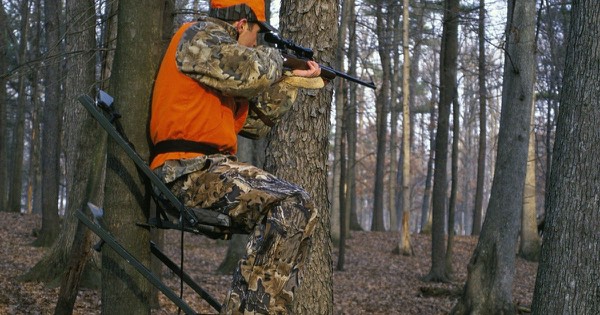
Ice and snow make climbing much more dangerous. Virginia's wildlife department says: "Be especially careful using tree stands during rain, snow and ice conditions," and to "wear a full-body safety harness and maintain three points of contact at all times." Use a haul line for your bow. Our tree stand safety guide covers this in detail.
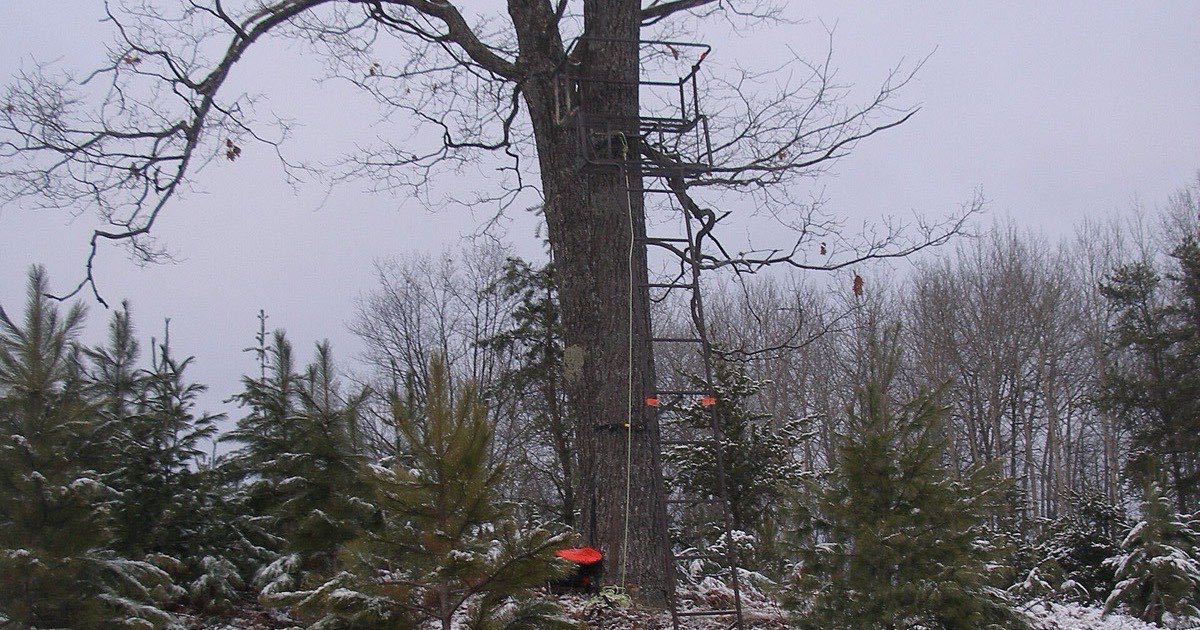
Always tell someone where you are hunting and when you expect to be back.
Ground blind vs tree stand in the late season
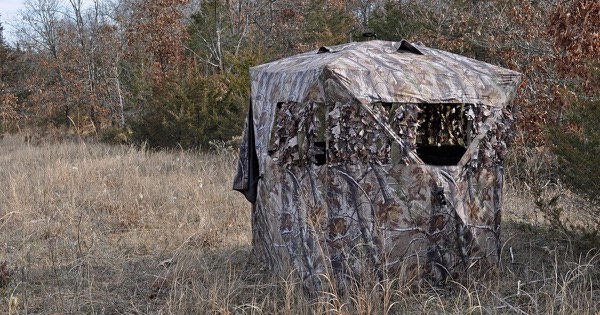
Ground blinds block wind and hide movement, which makes long, cold sits more bearable and lets you warm your hands without being seen. Tree stands give a wider view and keep scent higher, but expose you to wind and need careful climbing on icy steps. Many late-season hunters use blinds on food sources. Our ground blind guide explains setup and shooting from a seated position.
Tracking in snow
Snow makes tracks and blood easier to follow, but don't rush. Follow the same patient approach as in any season; our tracking guide explains when to wait and how to follow a trail.
A late-season afternoon on stand
- Check the forecast for temperature, wind chill and wind direction, and choose a stand that suits the wind.
- Pack your layers, hand muff, warmers, spare batteries, harness and haul line.
- Walk in light and slow so you don't sweat.
- Climb or settle in, attach your safety line, haul up your bow, then put on your insulation and start the warmers.
- Keep your release hand warm and your bow within easy reach, so you can move slowly when a deer appears.
- Stay until the end of legal light if you can do so safely, because late-season deer often move to food late.
- Climb down carefully on icy steps, with your harness attached, and lower your bow first.
Common late-season mistakes
- Sweating on the walk in, then freezing on stand.
- Never practising in heavy clothes, then missing because of string slap or a changed anchor.
- Keeping a draw weight you can't pull when cold.
- Hunting the wrong food source. Food that drew deer in October may be gone; follow the fresh sign.
- Ignoring the wind on pressured deer.
- Letting batteries die in a rangefinder or sight light.
- Taking risks on icy steps or staying out after you've started to shiver hard.
- Rushing the shot. Cold, excited hands make a slow, deliberate shot more important than ever.
Late-season checklist
- Season dates and rules checked for your state
- Food sources and thermal cover scouted
- Layering system, with insulation carried in
- Hand muff, warmers and gloves you can shoot in
- Bow practised in hunting clothes; string clearance checked
- Draw weight that you can pull smoothly when cold
- Sight marks checked with a cold bow
- Fresh lithium batteries and spares
- Harness, haul line and lifeline for tree stands
- Someone who knows your plans
Late-season bowhunting
Advantages
- Deer become predictable around food sources
- Snow reveals fresh tracks and trails
- Fewer hunters in the woods
Trade-offs
- Cold, long sits are physically demanding
- Pressured deer are cautious
- Shooting in heavy clothing is harder
You can browse hunting hand muffs or lithium batteries on Amazon.
Frequently asked questions
Is late-season deer hunting good?
It can be. Deer focus on food and cover, and cold fronts can trigger movement, but they are also pressured and cautious.
Where do deer go in the late season?
To the best remaining food sources and sheltered thermal cover, such as dense conifers, travelling between them.
Do deer move more after a cold front?
MeatEater's Mark Kenyon says colder-than-usual temperatures are a strong trigger, and deer often hit food earlier and longer for a day or two afterwards.
How do you keep your hands warm while bowhunting?
Use a hand muff with warmers, wear a thin glove you can shoot in, and keep your release hand ready inside the muff.
Should I lower my draw weight in cold weather?
If you can't draw smoothly without lifting or lowering the bow, North American Whitetail's advice is to turn the draw weight down.
Does cold weather affect a bow?
Cold affects you more than the bow, but check batteries, string wax and sight marks in cold conditions.
What are the signs of hypothermia?
The CDC lists shivering, exhaustion, confusion, fumbling hands, memory loss, slurred speech and drowsiness. Get medical help if you suspect it.
What should I wear for late-season bowhunting?
A moisture-moving base layer, warm insulation you put on at the stand, a quiet windproof outer layer, and a hand muff, hat and insulated boots. Practise shooting in it before the hunt.
Related articles
 Guides
Bowhunting the Rut: Phases, Timing and Tactics
Bowhunting the whitetail rut: what triggers it, when it peaks by region, the rut phases, and stand placement, calling and all-day sit tactics for each phase.
October 12, 2026 · 10 min read
 Guides
Tree Stand Safety for Bowhunters
Tree stand safety for bowhunters: wear a full-body harness from the ground up, use a lifeline and haul line, inspect your stand and plan for a fall.
October 12, 2026 · 10 min read
 Guides
Bowhunting From a Ground Blind
Bowhunting from a ground blind: choosing and placing a blind, brushing it in, shooting seated, shooting through mesh, broadhead choice and common mistakes.
October 13, 2026 · 9 min read