
Bowstring Wax: Why, How Often and Does It Go Bad?
How to wax a bowstring, how often makers recommend it, why you should keep wax off the serving, what string wax is made of, and whether bowstring wax goes bad.

By Archery Insider Editorial Team
· 9 min read
In this article
Waxing a bowstring is the simplest and cheapest maintenance job in archery, and one of the most useful. A properly waxed string resists fraying, sheds water and lasts longer. It only takes a minute, but there are a few details that matter: how often to do it, where not to put wax, and what kind of wax to use.
This guide explains what bowstring wax does, how often bow makers recommend waxing, a simple step-by-step method, what string wax is made of, and an honest answer to the most-asked question: does bowstring wax go bad?
What bowstring wax does
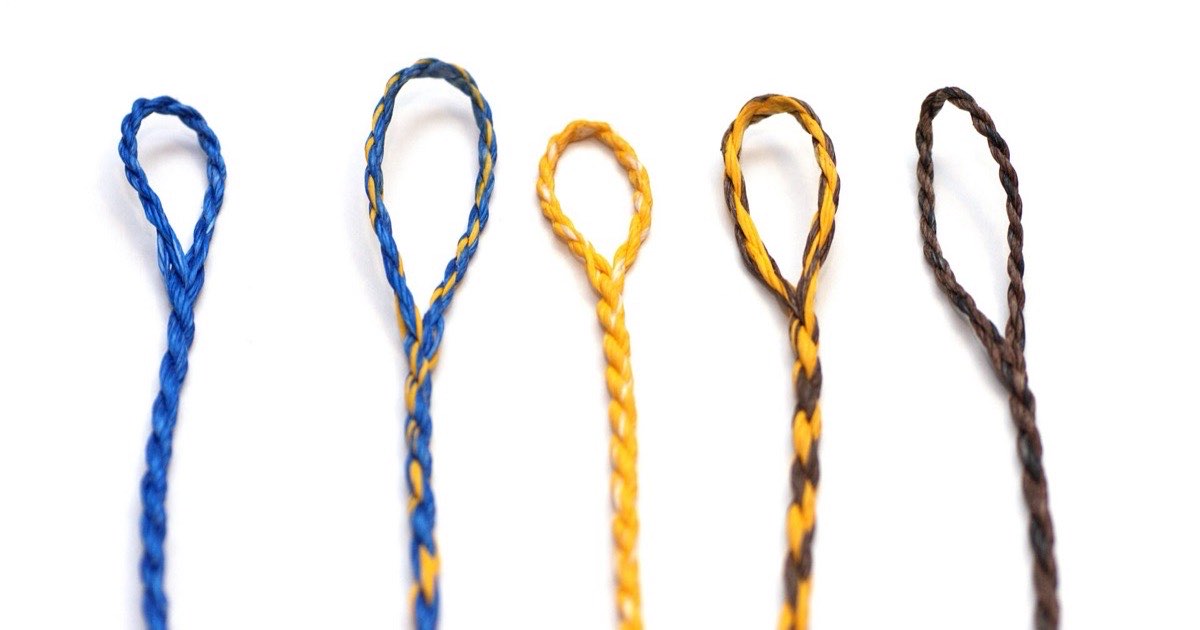
A bowstring is made of many fine fibres twisted together. Every shot makes those fibres rub against each other. Bear's manual explains that "regular waxing protects your cables and strings from abrasion, wear and separation." Wax:
- Lubricates the fibres, so they slide rather than cut each other.
- Holds the strands together, keeping the string round and consistent.
- Repels water. World Archery notes that "if water gets in the string, the string gets heavier – and the arrow leaves the bow travelling slower."
- Keeps dirt out, because a sealed string traps less grit between its fibres.
Wax won't save a damaged string. If you see broken strands, fraying or serving gaps, read our guide on how long bow strings last and replace it.
Should you wax your bowstring?
Yes. Hoyt, Mathews, Bear and Elite all recommend regular waxing in their owner guidance. New strings normally come waxed from the factory, so a new bow does not need waxing on day one. Start checking it after a few sessions.
How often should you wax a bowstring?
There is no single schedule, and manufacturers say different things:
| Source | Recommendation |
|---|---|
| Hoyt | "Once every two weeks during peak use" |
| Mathews | "Once a month or more depending on the condition of the strings" |
| Elite | "Waxing every other time you shoot will lengthen the life of your string and cable sets" |
| 60X Custom Strings | "Frequent shooters should wax every 2-4 weeks or so" |
| World Archery | "Most top archers wax their strings every two to three weeks, plus before competition if the forecast is for rain" |
The more useful rule is to go by feel. Lancaster Archery says "you should be able to touch your string at any time and feel a slight tackiness to it… If it feels slick and dry, give it a shot of wax." Look for fuzz or a dry, pale appearance, too.
You will need to wax more often if you shoot a lot, hunt in rain or snow, shoot in dusty conditions, or store the bow somewhere warm.
Signs your string needs wax
- It feels slick and dry rather than slightly tacky.
- It looks pale, dull or fuzzy compared with when it was new.
- Individual fibres are starting to stand up along the strands (check closely: broken strands mean replacement, not wax).
- You have just shot in rain, snow or dust, or the bow has been stored somewhere warm.
How to wax a bowstring, step by step
Bear suggests you "rub it gently with your fingers or a soft piece of leather." Elite's manual describes the same idea: apply the wax, "rub briskly with fingers until the string appears slick," then "remove excess wax with a clean towel or cloth."
- Check the string first. Look for broken strands, fuzz and serving gaps. Waxing will not fix damage.
- Wipe off dirt with a dry cloth so you do not seal grit into the string.
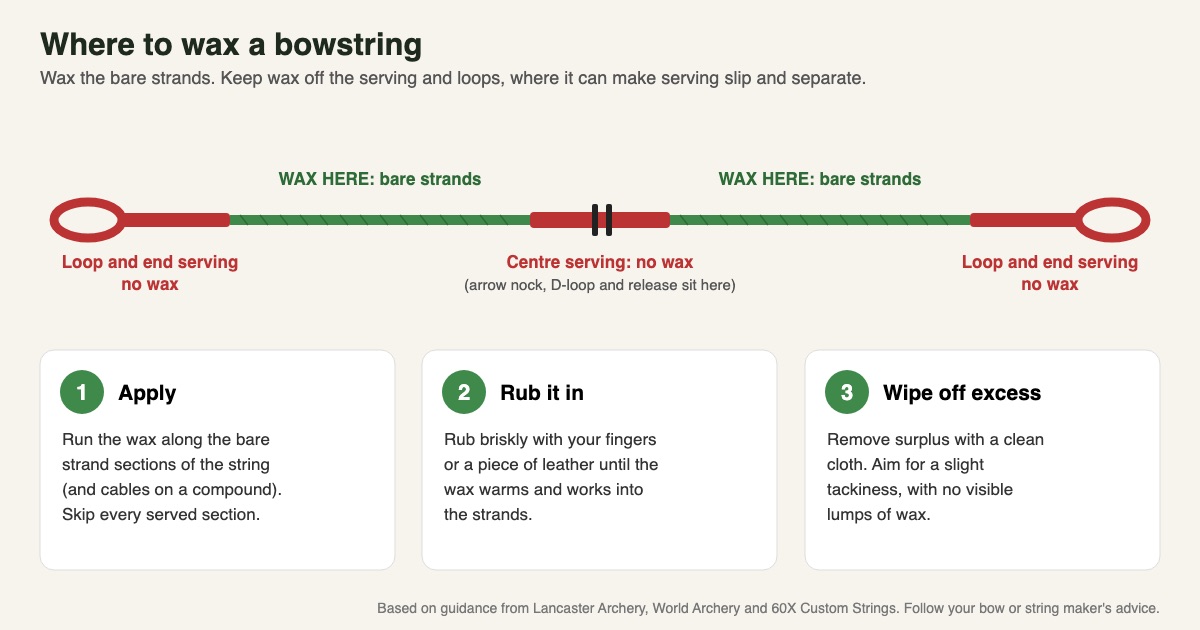
- Apply wax to the bare strands. Rub the wax stick or tube along the unserved sections of the string. On a compound, do the cables too.
- Rub it in. Use your fingers, or a piece of leather, and rub quickly up and down. The friction warms the wax so it soaks into the strands.
- Remove the excess. Lancaster says "there should be no visible chunks of wax." Wipe off any surplus with a clean cloth.
- Check the feel. The string should feel slightly tacky, not slick and not caked.
The whole job takes a minute or two.
Don't wax the serving
The serving is the wrap of thread over the string where the arrow nocks (the centre serving) and around the end loops. Lancaster explains that wax "can work its way under the serving material, causing it to slide and separate." World Archery says the same: it will "unravel quicker – and also make it slippery!" 60X adds: "make sure you don't wax any of the bow string servings."
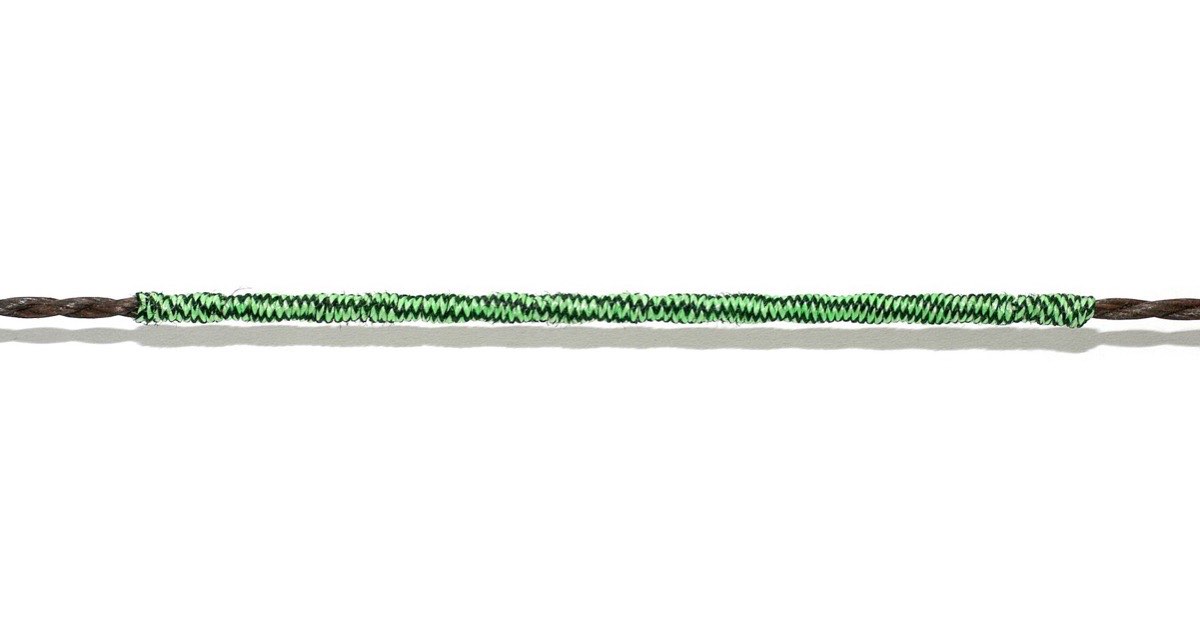
Note that one maker's manual, Elite's, describes waxing "the entire length of the string." The string makers and coaching sources above are clear about keeping wax off the serving, and that is the cautious approach. If your bow's manual says something specific, follow it.
Don't over-wax
More is not better. Lancaster warns: "don't over-wax your string. This can adversely affect performance." Thick wax can build up, attract dirt and, on a compound, gum up the cam tracks.
Waxing for wet and cold weather
Rain and snow are hard on strings. World Archery notes that top archers wax "before competition if the forecast is for rain," because a waterlogged string is heavier and slows the arrow. Before a wet hunt or tournament, give the string a fresh coat and rub it in well. Afterwards, wipe the bow dry, let it air out of its case, and check by feel whether the string needs another coat. In cold weather, wax is stiffer and harder to work in, so rub a little longer to warm it, or wax the string indoors the evening before.
What bowstring wax is made of
Archery waxes come as sticks, tubes and liquids, and broadly fall into two groups:
- Natural or beeswax-based waxes. 60X says archery waxes typically use "beeswax as a base, but also contain other ingredients." Bohning describes its Tex-Tite as a "natural-based wax" for "natural and synthetic bowstrings," and its Heritage wax as "100% Natural Wax" with "beeswax and plant-based ingredients." Bearpaw lists its string wax's base material as "natural beeswax."
- Silicone-based waxes. Bohning describes its Seal-Tite as a "silicone-based wax" for synthetic strings. BCY Fibers, a string-material maker, recommends a "maintenance" wax "that contains some silicone."
World Archery sums up the choice: "Synthetic waxes are ideal, but traditional archers may favour all-natural beeswax." Either type works on modern synthetic strings. Check whether your string maker recommends a particular one.
Does bowstring wax go bad?
This is the most-searched question about string wax, and there is less hard information than you might expect. None of the string-wax makers we checked publishes an expiry date or shelf life. Bearpaw's only storage advice is: "we recommend storing the wax at room temperature."
In practice, that means:
- Store it properly. Keep the wax at room temperature with its cap on, away from heat (a hot vehicle can melt or soften a wax stick) and dirt.
- Check it before use. Wax that has picked up grit, sand or debris should not go on your string, because it can grind the fibres.
- Replace it if it changes. If it has dried out, become crumbly, separated or picked up dirt, replace it. A tube of wax lasts a long time, so this rarely costs much.
What can I use instead of bowstring wax?
Use a proper bowstring wax whenever possible. 60X specifically warns against petroleum jelly (Vaseline), which "attracts dirt and debris." Candle wax and other household products are not designed for bowstrings and may contain additives. Pure beeswax is the traditional base, which is why some traditional archers use it, but archery waxes are formulated for the job and are inexpensive.
Waxing compound cables
On a compound bow, the cables wear just like the string. Mathews says "wax your strings and cables once a month or more." Wax the bare sections of each cable the same way, avoiding servings, and keep wax out of the cam tracks.
Crossbows: string wax vs rail lube
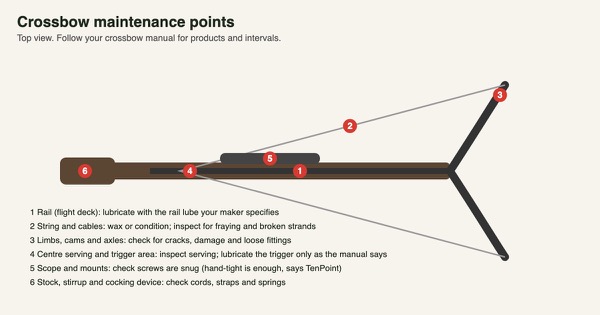
Crossbow strings also need wax, but crossbows have a second, different product: rail lube, which reduces friction where the string slides along the flight rail. They are not interchangeable. TenPoint, for example, suggests running "your finger down the flight rail" to check whether lube is needed, and notes that some high-performance models may need it "every 15 to 20 shots." Always use the products your crossbow maker specifies. Our crossbow maintenance checklist covers both.
Common mistakes
- Waxing the serving, which can make it slip and separate.
- Leaving lumps of wax on the string.
- Waxing over dirt and sealing grit into the fibres.
- Waxing a damaged string instead of replacing it.
- Leaving wax in a hot car, where it softens and picks up dirt.
- Going months without checking. A quick touch test takes seconds.
Regular string waxing
Advantages
- Reduces fraying and fibre wear
- Helps keep water and dirt out of the string
- Quick, cheap and easy to do yourself
Trade-offs
- Too much wax attracts dirt and can affect performance
- Easy to get on the serving if you are careless
You can browse bowstring wax or natural bowstring wax on Amazon.
Frequently asked questions
Does bowstring wax go bad?
None of the makers we checked publishes an expiry date. Store it at room temperature with the cap on, and replace it if it becomes dirty, gritty or crumbly.
How often should I wax my bow string?
Hoyt suggests every two weeks in peak use, Mathews once a month or more. Go by feel: if the string feels slick and dry rather than slightly tacky, wax it.
Should I wax the serving?
No. Wax can work under the serving and make it slip and separate. Wax only the bare strands.
Can I use beeswax or candle wax?
Archery waxes often use beeswax as a base with other ingredients. Avoid household products such as petroleum jelly, which attracts dirt.
Does a new bowstring need wax?
New strings usually come waxed. Start checking them by feel after a few sessions.
Can I use bowstring wax on a crossbow?
Yes, on the string, but crossbow rails need a separate rail lube. Use the products your crossbow maker specifies.
Can you over-wax a bowstring?
Yes. Lancaster warns that over-waxing can affect performance. Rub it in and wipe off the excess.
Related articles
 Gear
How Long Do Bow Strings Last? When to Replace Them
How long do bow strings last? What Hoyt, Bear and string makers recommend, how storage affects strings, signs of wear, and when to replace string and cables.
October 19, 2026 · 10 min read
 Training
How to String and Unstring a Recurve Bow Safely
How to string and unstring a recurve bow with a stringer, why step-through stringing twists limbs, post-stringing checks, brace height and string care.
Updated February 1, 2025 · 8 min read
 Gear
Crossbow Maintenance: A Complete Checklist
A crossbow maintenance checklist: pre-shoot inspection, waxing string and cables, rail lube, checking bolts and screws, storage and string replacement.
October 16, 2026 · 9 min read