
Bowhunting the Rut: Phases, Timing and Tactics
Bowhunting the whitetail rut: what triggers it, when it peaks by region, the rut phases, and stand placement, calling and all-day sit tactics for each phase.

By Archery Insider Editorial Team
· 10 min read
In this article
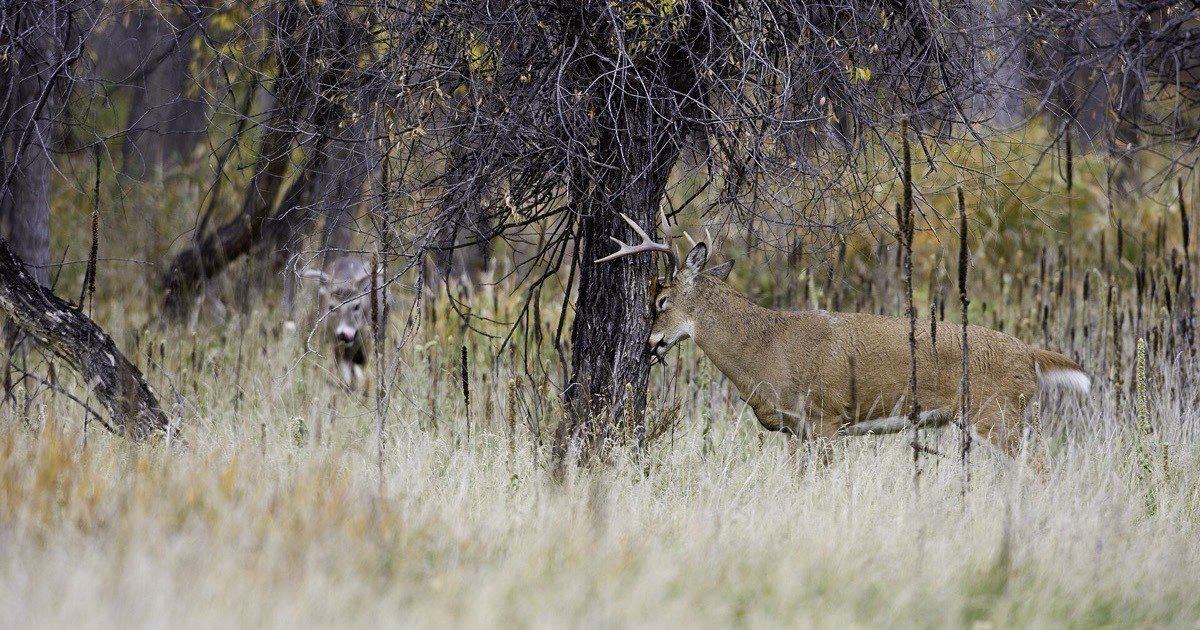
For many bowhunters, the rut is the best time of the whole season. Bucks that were nocturnal and secretive in early autumn start travelling in daylight, searching for does, chasing, and sometimes walking straight past a well-placed stand. It is also a time when patterns break down, deer move unpredictably, and a hunter who understands what is happening has a real advantage.
This guide explains what triggers the rut, when it happens in different parts of the country, what deer do in each phase, and the stand placement, calling and timing tactics that work in each, plus the shot discipline that matters when an excited buck finally comes into range.
The quick answer
| Phase (typical northern timing, per Realtree) | What bucks do | Bowhunting focus |
|---|---|---|
| Pre-rut (about 10–22 October) | Feeding, rubbing, starting to scrape | Between buck beds and food; evening sits |
| Seeking (about 23 October to 1 November) | Cruising for the first receptive does | Near buck bedding; mornings and evenings; light calling |
| Chasing (about 2–10 November) | Chasing does, daylight movement | Trails near field edges and food; aggressive calling |
| Tending or lockdown (about 11–20 November) | Staying with receptive does in cover | Doe bedding fringes, funnels and pinch points |
| Post-rut (about 21–30 November) | Recovering, feeding, seeking late does | Security cover and food; quieter tactics |
| Second rut (about 1–15 December) | Searching for does that were not bred | Bed-to-feed patterns and doe groups |
Dates vary by region and year. In the South, use local information.
What triggers the rut?
The National Deer Association explains that "a diminishing ratio of daylight to darkness triggers behavioral and physiological changes that lead to breeding." Day length regulates hormones linked to antler growth and the breeding season.
That is why, in the North, breeding dates are "amazingly consistent from year to year – regardless of moon phase, weather patterns, or other variables," according to the NDA. In the South, the picture is more complicated: as the NDA quotes Dr Karl V. Miller, "photoperiod controls the approximate season of breeding (fall or winter), but the deer herd's genetics likely influence the exact timing of breeding."
Do the moon and weather matter?
The NDA says weather and moon phase have "not been shown to affect breeding dates," although they can affect how and when deer move. A cold front or a calm, crisp morning may make deer more active in daylight, but the breeding calendar itself is set by day length.
When is the rut where you hunt?
American Hunter's regional guide gives these broad windows:
| Region | Typical peak estrus |
|---|---|
| Northeast, Midwest, Plains, Northwest | About 10–20 November |
| Southeast | Anywhere from about 10 October to 15 January, depending on area |
| Florida | From July into February in different parts of the state |
The NDA cites examples of how wide southern variation is: peak breeding in October in east Texas and southeast Georgia, December in Arkansas, January in Mississippi and Alabama, and February in the Florida panhandle.
American Hunter's advice is that "the best information is that which you, the hunter who knows your area better than anyone else, have collected throughout the years." State wildlife agencies sometimes publish local breeding dates, and your own trail-camera photos and sign records quickly build a local calendar.
Reading rut sign
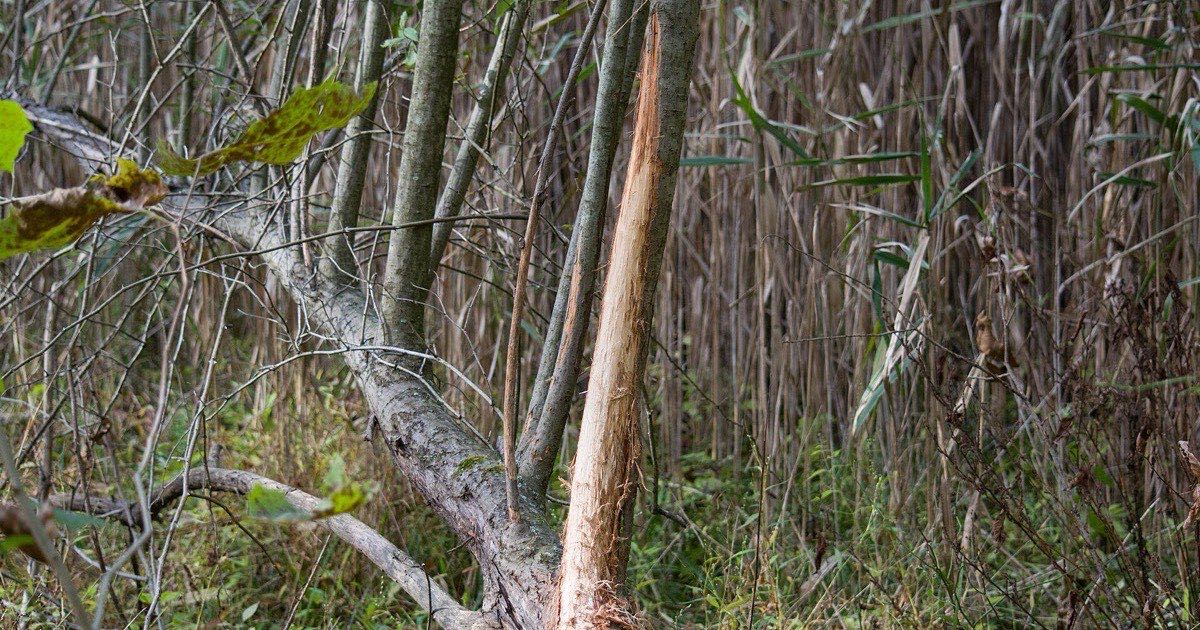
- Rubs. Bucks rub saplings and small trees with their antlers, stripping the bark. Fresh rubs with pale, moist wood show recent activity; lines of rubs often trace travel routes between bedding and feeding areas.
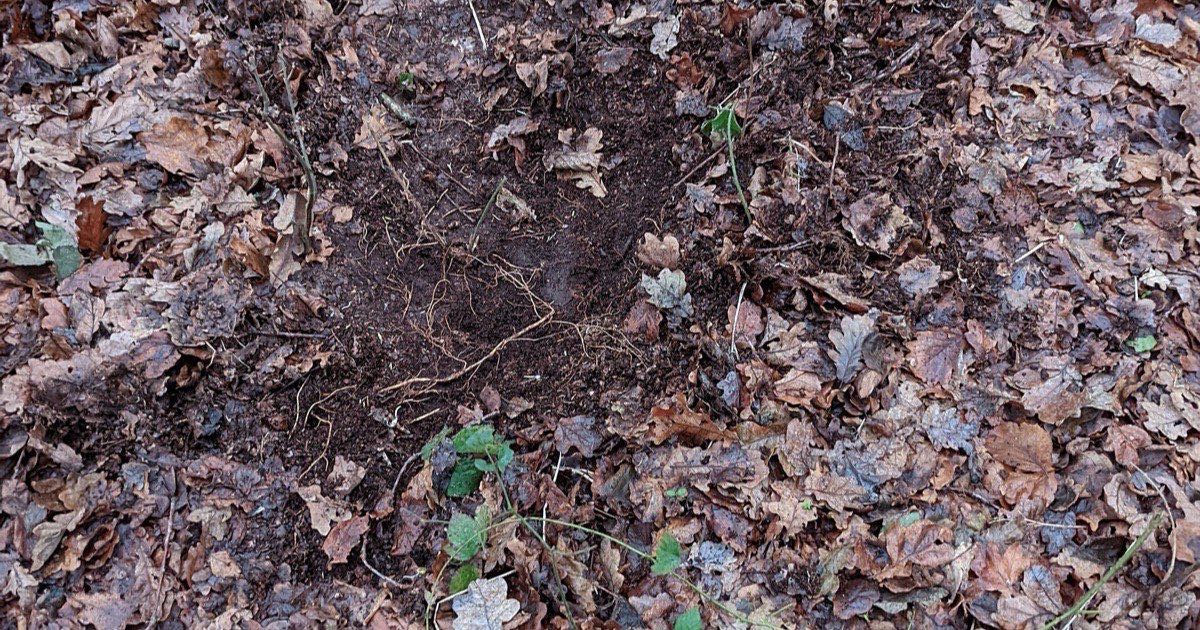
- Scrapes. A buck paws the leaves away to bare soil, often under an overhanging branch that he marks with scent. Scrapes are communication points, and some are used year after year.
- Tracks and trails. Large tracks on trails between doe bedding areas and food, and on field edges, become common as bucks start searching.
- Daylight trail-camera photos. The best sign of all: bucks on camera in daylight tell you rut activity has started.
Tactics for each phase
Pre-rut
Realtree's advice is to "find where the bucks are bedding and get between their beds and the best acorn crop" or other food. Evening hunts are usually better than mornings at this stage, because walking in at dawn can push deer out of their beds. Rubs and scrapes confirm that a buck is using the area, but bucks are still relatively predictable and cautious.
Seeking
Bucks start cruising for the first receptive does, often covering a lot of ground in daylight. Realtree suggests continuing to focus on buck bedding areas and to "begin hunting mornings and evenings from now through the post-rut." Moderate calling and rattling can bring a curious buck in, especially toward the end of this phase.
Chasing
This is when you see bucks running does through the woods and across fields. Realtree recommends setting up "along trails, 20 to 30 yards from the field edges, that run parallel to open areas and food sources," hunting leeward ridges, and getting "aggressive with calling and rattling." Many hunters use decoys at this stage. Bucks can show up at any time of day, so long sits pay off.
Tending or lockdown
When most does come into estrus, bucks stay with a single doe for a day or more, often in thick cover. Movement can seem to stop. Realtree's advice is to "get in the bedroom" by setting up on the fringes of doe bedding areas, and to hunt funnels and pinch points where bucks travel between does. Patience matters: a buck that has finished with one doe may be on its feet looking for another.
Post-rut
Bucks are worn out and hunting pressure is high. Realtree suggests shifting to "the best security cover" where bucks bed, with more reserved tactics: less calling, more careful access, and food sources on cold evenings.
Second rut
About a month after the main rut, does that were not bred, and some young does, come into estrus. Realtree focuses on bed-to-feed patterns and doe groups in early December, because bucks follow the does.
Choosing stand sites for the rut
The best rut stands are usually on the routes bucks use to travel between groups of does, rather than on food sources alone.
- Funnels and pinch points: narrow strips of cover between fields, creek crossings, fence gaps and saddles in ridges concentrate deer movement.
- Downwind edges of doe bedding areas: bucks scent-check these edges while searching. A stand where you can cover that edge without your scent drifting into the bedding area is ideal.
- Travel corridors with rub lines: a line of fresh rubs running between bedding and food shows a buck's route.
- Thick cover near open ground: during chasing, does often run bucks out of cover and back in again.
Have more than one stand so you can hunt the right one for each day's wind, and set them up well before the rut, so you are not making noise in the area at the best time.
Mornings versus evenings
In the pre-rut, evenings are usually more productive and mornings risk bumping deer from their beds. Once seeking starts, both can be excellent, and many hunters find that the first few hours of daylight produce the most buck movement, as bucks finish a night of searching and travel back toward cover. During chasing and lockdown, midday movement makes all-day sits worthwhile. Plan your access so you can reach the stand in the dark without walking through bedding areas.
Public land and hunting pressure
The rut brings more hunters into the woods, especially on public land at weekends. Pressure pushes mature deer into thicker, harder-to-reach cover. To cope:
- Hunt on weekdays if you can.
- Go farther or thicker than most hunters bother to, or find small, overlooked pockets close to roads.
- Watch other hunters' patterns, and use them: pressured deer move away from parking areas and popular trails.
- Be visible when moving, and wear blaze orange where it is required during overlapping firearms seasons.
Calling, rattling and decoys
- Grunt calls imitate bucks. Short contact grunts can stop a walking buck or draw a curious one closer.
- Doe bleats imitate does and can attract bucks during the seeking and chasing phases.
- Rattling imitates two bucks fighting. It tends to work best in seeking and chasing, in areas with good numbers of mature bucks.
- Decoys give an approaching buck something to focus on, which helps you draw undetected. On public land, think carefully about safety: carry decoys covered and be aware of other hunters.
Use calls sparingly and watch the deer's reaction. A buck that hangs up out of range or circles downwind is telling you to call less, or not at all.
All-day sits
During seeking and chasing, many bowhunters stay on stand all day, because bucks move in the middle of the day while searching for does. To make all-day sits work:
- Pack food, water, extra layers and a way to relieve yourself without leaving.
- Wear your full-body harness and stay connected all day; long sits make people drowsy. See our tree stand safety guide.
- Choose a stand with good cover and comfortable seating.
- Stay alert at midday; some of the most memorable rut encounters happen around noon.
Shot discipline with rutting bucks
Rutting bucks are often moving, distracted and on a mission. That can lead to rushed shots.
- Stop the buck before you shoot. A soft grunt or mouth bleat at full draw usually stops a walking deer.
- Wait for broadside or quartering away. An excited buck heading toward you will often turn.
- Keep to your distance limit. Our effective range guide explains why.
- Expect adrenaline. "Buck fever" is real during the rut; focus on a small spot and your shot routine. Our shot placement guide covers where to aim.
- Plan the recovery. Mark where the deer stood and ran, and wait before tracking. Our tracking guide explains how long.
Traditional and crossbow hunters
The rut is a great time for traditional bowhunters, because calling and decoys can bring bucks close enough for short, confident shots. Keep your limit tight, often inside 20 yards, and set up where bucks pass close to cover. Crossbow hunters benefit from being able to stay ready without drawing, which helps with bucks that appear suddenly, but the same rules on angle and distance apply. Whatever you shoot, stop the buck before releasing.
Scent and wind
Bucks may be less cautious during the rut, but does are not, and a single doe that smells you can blow the whole encounter. Hunt with the wind in your favour, plan quiet routes in and out, and keep scent to a minimum. Bucks often approach doe areas from downwind to scent-check them, so set up where you can cover the downwind side without the deer reaching your scent stream first.
Common rut hunting mistakes
- Waiting for the "perfect" day and missing the best days of the seeking and chasing phases.
- Over-calling, which educates bucks and can make them avoid the area.
- Hunting the same stand on the wrong wind because a big buck was seen there.
- Leaving at mid-morning during peak chasing, when bucks are still moving.
- Rushing shots at moving bucks instead of stopping them first.
- Skipping the harness during long, tiring sits.
Hunting the rut with a bow
Advantages
- Bucks move more in daylight
- Mature bucks become less cautious
- Calling and rattling can bring bucks into bow range
Trade-offs
- Movement can be unpredictable
- Lockdown can make woods seem empty
- More hunters in the woods, especially on public land
You can browse grunt calls, rattle bags or deer decoys on Amazon. Check local rules on decoys and calls.
Frequently asked questions
When is the best time to bowhunt the rut?
In northern regions, the seeking and chasing phases, roughly late October through mid-November, are usually best. Peak estrus typically falls around 10 to 20 November. In the South, timing varies widely, so use local information.
What triggers the whitetail rut?
Shortening day length (photoperiod), which changes deer hormone levels. In the South, herd genetics also influence the exact timing.
Does the moon affect the rut?
According to the National Deer Association, moon phase and weather have not been shown to affect breeding dates, though they may influence when deer move.
Should I rattle during the rut?
Rattling tends to work best during the seeking and chasing phases, in areas with good numbers of mature bucks. Use it sparingly and watch how deer respond.
What is the lockdown phase?
The period when most does are in estrus and bucks stay with them in cover. Deer movement can drop, so hunt doe bedding edges and funnels.
Should I hunt mornings or evenings during the rut?
Both. Early in the season, evenings are usually better. Once bucks are seeking and chasing, mornings are often excellent and midday movement makes all-day sits worthwhile.
Related articles
 Guides
Can You Hunt Deer With a Bow? A Beginner's Guide
Yes, you can hunt deer with a bow. Learn the legal basics, which bows work, how hard it is, effective range, gear, shot placement and a first-season plan.
October 6, 2026 · 13 min read
 Guides
Tree Stand Safety for Bowhunters
Tree stand safety for bowhunters: wear a full-body harness from the ground up, use a lifeline and haul line, inspect your stand and plan for a fall.
October 12, 2026 · 10 min read
 Guides
Where to Shoot a Deer With a Bow: Shot Placement
Bow shot placement for deer: where the heart and lungs sit, how to aim broadside, quartering away and from a tree stand, which shots to pass on, and why.
October 6, 2026 · 10 min read