
Brace Height Explained: What It Does and How to Set It
What brace height is, how to measure it, recommended ranges for recurves and longbows, compound brace height, and how it affects draw weight, speed and spine.

By Archery Insider Editorial Team
· 9 min read
In this article
Brace height is one of the first numbers you meet when you set up a bow, and one of the most misunderstood. On a recurve or longbow, it is an adjustment you make yourself, and it changes how the bow feels, sounds and tunes. On a compound, it is a design figure set by the manufacturer that affects speed and how the bow handles.
This guide explains what brace height is, how to measure it, the recommended ranges for recurves and longbows, what brace height means on a compound, and exactly what it does and doesn't affect.
What is brace height?
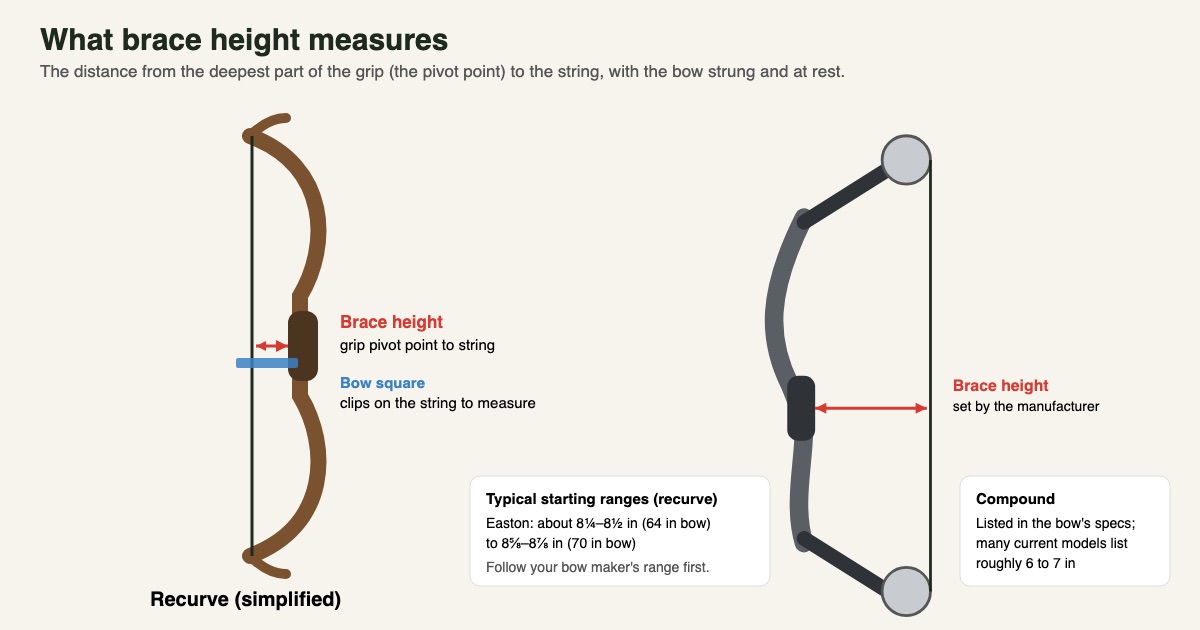
Archery 360 defines brace height as "the distance from the grip's deepest part to the bowstring." Nock On Archery describes the same point as "the deepest part of your bow's grip, often called the 'throat'," which is also called the pivot point. It is always measured with the bow strung and at rest.
Brace height matters because it decides where, in the string's travel, the arrow leaves the string. Easton explains that "the brace height determines the specific point at which the arrow separates from the bowstring and the amount of bend the arrow has when the separation occurs."
Don't confuse it with draw length. Brace height is measured at rest; draw length is measured at full draw. Our draw weight vs draw length guide explains draw length.
How to measure brace height
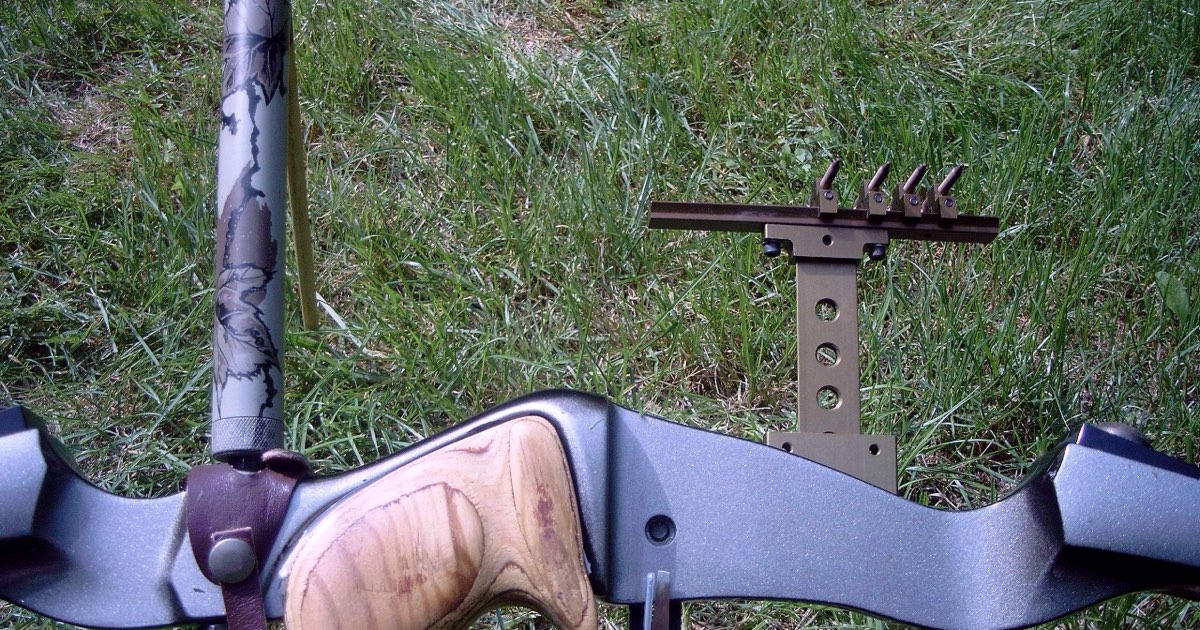
Use a bow square, a T-shaped ruler that clips onto the string:
- String the bow and stand it on a flat surface, or hold it steady.
- Clip the bow square onto the string, with the long arm pointing towards the grip.
- Make sure the square sits at right angles to the string.
- Read the distance at the deepest point of the grip.
- Measure at the same point every time, so changes are meaningful.
Archery 360 recommends measuring with a bow square, and Easton's procedures assume one.
Recommended brace heights
Recurve bows
Always start with your bow maker's recommended range, usually in the manual or on the limb or riser. Easton suggests: "Start with the brace height at the lower end of the manufacturer's recommendation or use the following chart."
| Bow length | Easton beginning range | Easton maximum range | Archery 360 range |
|---|---|---|---|
| 62–64 in | 8¼–8½ in (64 in) | 7¾–9 in (64 in) | 7½–8½ in |
| 66 in | 8⅜–8⅝ in | 8–9¼ in | 8–9 in (66–68 in) |
| 68 in | 8½–8¾ in | 8¼–9½ in | 8–9 in (66–68 in) |
| 70 in | 8⅝–8⅞ in | 8½–9¾ in | 8¾–9½ in (70–72 in) |
The ranges overlap but are not identical, which is why the manufacturer's figure comes first. Our first recurve guide explains bow length, and the Samick Sage review is an example of a popular beginner recurve.
Longbows
3Rivers Archery says "longbows generally are never braced lower than six inches," with many archers preferring "at or around seven inches." For recurves, 3Rivers says brace heights are "rarely" below seven inches, with many between "seven and nine inches." Our longbow vs recurve comparison covers the differences between the two.
Compound bows
On a compound, you don't choose a brace height. Easton says: "Brace height is set by the compound bow manufacturer." It is part of the bow's design and appears in its specifications. Current models list a range of figures. Elite's 2026 manual, for example, lists brace heights from 6.125 to 7⅛ inches across its models, and our 2026 compound launches article lists the Mathews ARC at 6 inches and the Hoyt RX-10 at 6.5 inches. These are examples, not recommendations.
What brace height changes
| Does brace height affect… | Short answer | Source |
|---|---|---|
| Draw weight | Yes. On a recurve, raising it slightly increases draw weight; on a compound, changing it alters draw weight | Easton |
| Draw length | On a compound, yes; changing brace height alters draw length | Easton |
| Arrow speed | Yes. A higher brace height produces "some small loss in arrow velocity" | Easton; Nock On |
| Arrow spine (tuning) | Yes. Higher makes arrows act weaker, lower makes them act stiffer | Easton |
| Noise and feel | Yes. Recurves are tuned for the smoothest, quietest setting | Easton; 3Rivers |
| Forgiveness | Commonly said: longer brace heights are generally considered more forgiving | Attributed opinion, not a measured rule |
Draw weight
Easton explains that "raising the brace height (shortening the bowstring) compresses the limbs, increasing… preload," and that the greater the preload, "the greater the actual bow poundage at full draw." 3Rivers puts it more bluntly about a high brace height: "The bow will pull harder."
Draw length (compounds)
Easton notes that on a compound, "changing the brace height of a compound bow affects the draw weight and draw length of the bow." That's one reason compound brace height should be left at the maker's spec unless a pro shop is fine-tuning.
Arrow speed
A lower brace height gives the string a longer push on the arrow, so it tends to be faster; a higher one tends to be slower. Easton says raising brace height "produces some small loss in arrow velocity." Nock On gives a rough figure: "One inch of brace height equals about seven to 10 feet per second in arrow speed." Treat that as a rule of thumb.
Arrow spine and tuning
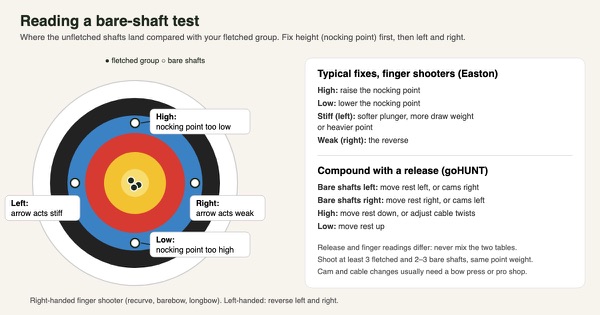
This is where brace height matters most for recurve archers. Easton: "Increasing brace height will make the arrow shoot weaker, and decreasing brace height will make the arrow shoot stiffer." It adds that changes within the normal range "can affect arrow spine as much as changing the arrow point and/or insert weight approximately 20 grains (1.3 grams)." That makes brace height a useful fine-tuning tool when you bare shaft tune.
Noise and string slap
Too low a brace height causes problems. 3Rivers warns that "the feathers will hit the shelf before the nock leaves the string," and that low brace heights cause string slap on the wrist. Too high, and "you can't hurt a bow with a high brace height, but you can hurt performance." Easton's method is to adjust "until the bow feels smoothest and quietest."
Forgiveness
You will often read that a longer brace height is more forgiving, and our own launch coverage notes that longer brace heights are "generally considered more forgiving." The reasoning is that the arrow leaves the string sooner, so there is less time for small form errors to affect it. That is widely held, but it is a general principle rather than a measured rule, and form matters far more.
Signs your brace height needs checking
On a recurve or longbow, these can point to a brace height that is too low or too high:
- String slap on your forearm or wrist, which 3Rivers links to low brace heights.
- Fletching hitting the shelf or rest as the arrow leaves, another low brace-height symptom 3Rivers describes.
- A noisy, buzzy shot or extra hand shock; Easton's method is to adjust until the bow is "smoothest and quietest."
- Arrows that tune stiff or weak when you bare shaft, which a brace height change can help correct.
- A bow that feels harder to draw than usual, which can mean the brace height is high.
Measure first, then compare with the maker's range before changing anything.
Brace height when choosing a compound
When you compare compounds, brace height is listed alongside axle-to-axle length, draw weight and speed rating. Shorter brace heights are usually associated with higher speed ratings, and longer brace heights with what many archers consider a more forgiving feel. Rather than chasing a number, shoot a few bows at a pro shop and choose the one you shoot best.
How to adjust brace height
Recurves and longbows
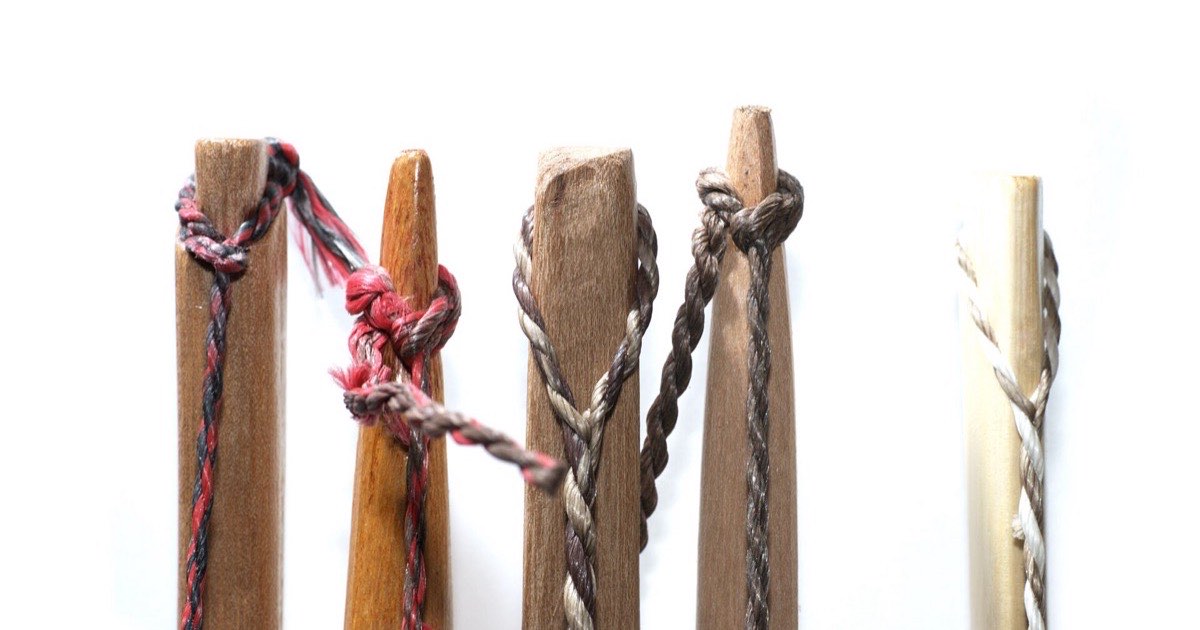
Brace height is adjusted by twisting or untwisting the string, which changes its effective length:
- Unstring the bow with a stringer; our stringing guide explains how.
- Twist the string to shorten it (raises brace height) or untwist it to lengthen it (lowers brace height). Archery 360 says to "give the bowstring two twists to increase the brace height by about ¼ inch."
- Restring and measure with a bow square.
- Shoot and listen. Easton suggests adding "3-4 twists to the bowstring and shoot again. Continue this process until the bow feels smoothest and quietest."
- Record the final measurement so you can check it later.
Stay within the maker's range. If you can't reach the range with twists, you may need a different string length.
Compound bows
Don't adjust a compound's brace height yourself. Changing string length or limb bolts changes it, but also changes draw weight, draw length and timing. Nock On notes that backing out limb bolts increases brace height, and that advertised specs assume fully tightened bolts. If your brace height is out of spec, have a pro shop check the strings, cables and timing.
Brace height and new strings
New strings stretch and settle, so brace height can change over the first sessions. Check it after a new string has been shot in, and re-check regularly. A brace height that drops over time is often a sign the string is stretching; see how long bow strings last.
Common mistakes
- Measuring to the wrong point instead of the deepest part of the grip.
- Ignoring the manufacturer's range.
- Twisting a string too far to force a brace height, instead of using the correct string length.
- Forgetting to re-measure after a new string settles.
- Changing a compound's brace height without understanding the effect on draw weight and length.
Fine-tuning brace height on a recurve
Advantages
- Cheap and quick: only string twists needed
- Can quieten the bow and reduce string slap
- A useful spine-tuning adjustment
Trade-offs
- Small changes need re-measuring and re-testing
- Changes draw weight and speed slightly
You can browse bow squares or recurve bow strings on Amazon.
Frequently asked questions
Does brace height affect draw weight?
Yes. Easton explains that raising brace height increases limb preload and the bow's poundage at full draw. On a compound, changing it alters draw weight and draw length.
Does brace height affect accuracy?
It affects tuning, noise and arrow flight. A longer brace height is generally considered more forgiving, though form matters more.
Does brace height affect draw length?
On a compound, yes, according to Easton. On a recurve, your draw length is set by your body and anchor.
Does brace height affect arrow spine?
Yes. Higher brace height makes arrows act weaker; lower makes them act stiffer.
What brace height should my recurve be?
Start with the maker's recommended range. Easton suggests about 8¼–8½ inches for a 64-inch bow, rising to 8⅝–8⅞ inches for a 70-inch bow.
How do I measure brace height?
Clip a bow square on the string and measure square to the deepest part of the grip.
Is a higher brace height better on a compound?
Not automatically. It tends to trade a little speed for what many archers consider extra forgiveness. Choose a bow whose design suits you rather than changing its brace height.
How many twists change brace height?
Archery 360 says two twists raise a recurve's brace height by about a quarter of an inch. Make small changes, restring, measure with a bow square and shoot between adjustments.
Related articles
 Training
How to String and Unstring a Recurve Bow Safely
How to string and unstring a recurve bow with a stringer, why step-through stringing twists limbs, post-stringing checks, brace height and string care.
Updated February 1, 2025 · 8 min read
 Guides
How to Choose Your First Recurve Bow: A Beginner's Guide
How to choose a first recurve bow: takedown vs one-piece, draw weight, bow length for your draw length, riser types, eye dominance, and essential accessories.
Updated February 6, 2025 · 11 min read
 Training
Bare Shaft and Walk-Back Tuning Explained
How bare shaft and walk-back tuning work, how to read results for finger and release shooters, what distances to use, and how they fit with paper tuning.
October 21, 2026 · 11 min read