
Longbow vs Recurve Bow: Differences for Traditional Archers
Longbow vs recurve compared: limb shape, draw feel, hand shock, speed, length, accessories, competition rules, hunting and which traditional bow suits you.
By Archery Insider Editorial Team
· · 6 min read

In this article
Traditional archery means shooting without sights, releases or stabilisers, usually by instinct or by referencing the arrow point. The two bows at its heart are the longbow and the recurve. They can look similar at a glance, but they feel, shoot and are regulated differently.
This comparison explains how the two designs differ, what that means for draw feel, speed and noise, how competition rules treat them, and how to choose between them.
The quick answer
| If you want... | Lean towards |
|---|---|
| The simplest, most traditional bow | Longbow |
| More speed and a smoother draw for the same weight | Recurve |
| A takedown bow that packs small and upgrades by limbs | Recurve |
| To compete in World Archery's longbow 3D class | Longbow with wooden arrows |
| A first traditional bow for target and hunting | Recurve (usually) |
How the designs differ
Longbow
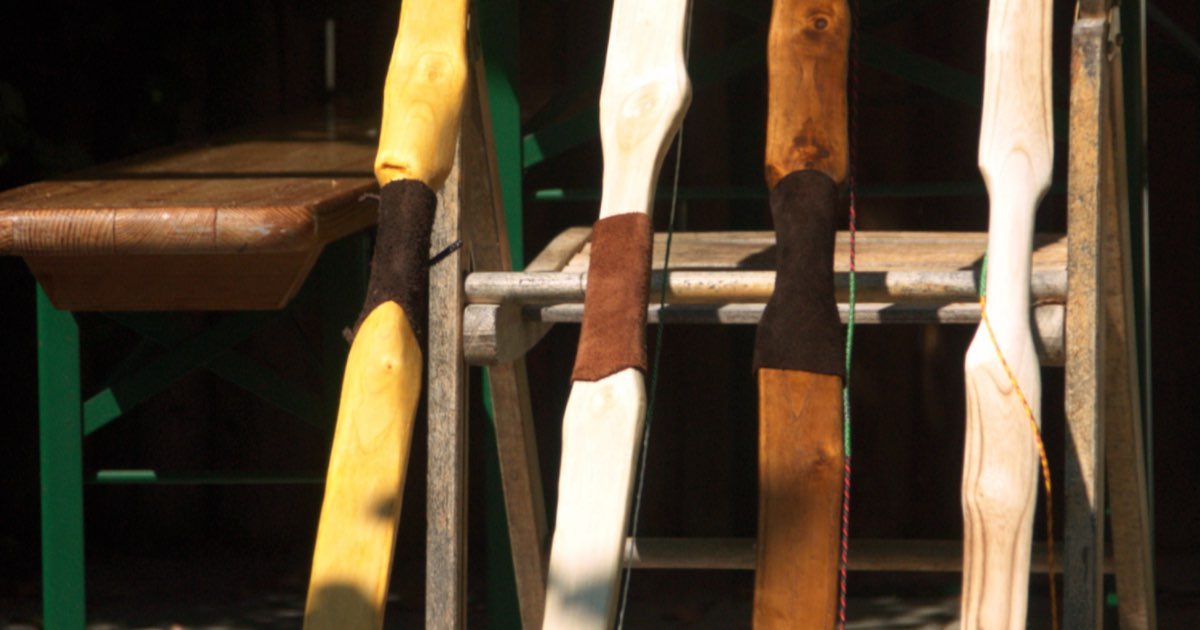
A longbow has relatively straight, tall limbs. The classic English longbow has a deep, D-shaped cross-section and is often a single piece of wood. The American flatbow has wider, flatter limbs. Modern longbows are often laminated with fibreglass and may have a slight reflex or deflex shape, but the string still touches only the nocks when braced. World Archery's article on its 3D classes notes that the "longbow" class does not mean only the historical English design.
Recurve
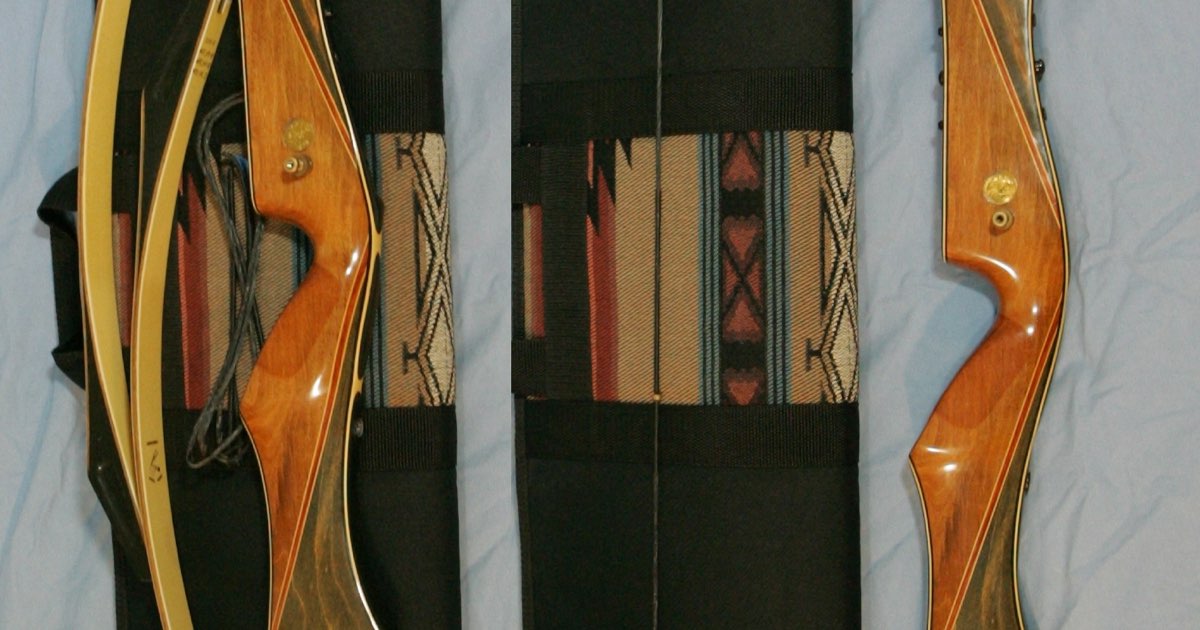
A recurve's limb tips curve forward, away from the archer. When braced, the string lies along the curved tips. As the bow is drawn, the curve unrolls, giving the limbs extra leverage. This lets a shorter recurve store as much or more energy than a longer longbow and generally smooths the draw.
Recurves can be one-piece or takedown, where limbs bolt to a riser. Our guide to choosing a first recurve covers takedown recurves in detail.
Side-by-side comparison
| Longbow | Recurve | |
|---|---|---|
| Limb tips | Straight or nearly straight | Curve away from the archer |
| Braced string contact | Only at the nocks | Along the curved tips |
| Typical length | Longer for the same draw | Shorter for the same draw |
| Speed for the same draw weight | Slower | Faster |
| Draw feel | Can stack (rise sharply) near full draw | Generally smoother |
| Hand shock | More in many designs | Less |
| Mass in hand | Light | Heavier (especially takedown risers) |
| Takedown options | Some two-piece designs | Common |
| Accessories | Usually none | Can add sight, rest, plunger, stabiliser |
| Noise | Quiet | Quiet; can be louder with stiff strings |
Draw feel, speed and noise
Because the recurve's curved tips give extra leverage late in the draw, recurves usually feel smoother and deliver more speed from the same draw weight. Longbows tend to build weight more steeply towards full draw ("stacking"), especially if the bow is short for the archer's draw length.
Many archers describe longbows as more forgiving in feel but with more hand shock, the jolt felt in the bow hand after the shot. Modern laminated longbows and hybrid designs reduce this considerably.
Length and draw length
Longbows are generally longer than recurves of the same draw weight, often well over 66 inches for adults. That length suits open ground and target shooting but can be awkward in tight cover or a ground blind. Recurves for hunting are often shorter. For either bow, make sure the length suits your draw length; our draw length guide explains how to measure.

Accessories and set-up
Longbows are usually shot off the shelf or the hand, with feather-fletched arrows, no sight and no stabiliser. Recurves can be set up the same way for barebow and traditional shooting, or with a sight, plunger and stabilisers for Olympic-style target archery. That flexibility is one reason recurves are the usual first bow in clubs.
Feathers are the norm for shooting off the shelf because they fold out of the way if they touch the bow. Our feathers vs vanes comparison explains why.
Competition rules
World Archery runs field and 3D championships with separate traditional classes. For 3D:
| Longbow class | Traditional class | |
|---|---|---|
| Bow | One- or two-piece longbow; braced string touches only the nocks | Wood-based riser; ILF limbs of any type allowed |
| Arrows | Wooden arrows with natural feathers only | Per class rules |
| Arrow rest | None; shoot off the shelf or hand | A simple rest only |
| Sights, stabilisers, weights | Not allowed | Not allowed |
| String walking | Not allowed | Not allowed |
| Aiming | No sights; single anchor | Arrow-point aiming, single anchor |
National organisations run their own traditional divisions with different rules. Check the rules for the event you enter.
Hunting
Both bows are used for hunting by archers who practise instinctive shooting, usually at close range. The same principles apply as with any bow: a draw weight that meets local minimums, matched arrows, sharp fixed-blade broadheads (often preferred for lower-energy traditional set-ups) and strict limits on shot distance. See our broadhead comparison.
Longbow
Advantages
- Simple, traditional design with nothing to adjust
- Light in the hand and quiet
- Required for World Archery's longbow 3D class
- Encourages pure instinctive shooting
Trade-offs
- Slower than a recurve of the same draw weight
- Can stack and give more hand shock
- Longer and less convenient in tight cover
- Fewer takedown and upgrade options
Recurve
Advantages
- Faster and smoother for the same draw weight
- Shorter for the same draw length
- Takedown designs pack small and upgrade by limbs
- Can be shot traditionally or set up for target archery
Trade-offs
- Heavier riser, especially on takedowns
- Curved tips need careful stringing (use a bow stringer)
- More parts to maintain on takedown models
- Not eligible for longbow classes
You can browse longbows or traditional recurves on Amazon. Check draw weight, length and hand before ordering, and use a stringer as described in our stringing guide.
Frequently asked questions
Is a longbow harder to shoot than a recurve?
Not necessarily harder, but less forgiving of a draw length that is too long for the bow, and often with more hand shock. Many archers find longbows easy to shoot instinctively.
Which is faster, a longbow or a recurve?
For the same draw weight and arrow, a recurve is usually faster because its curved tips store more energy.
Can I put a sight on a longbow?
You can fit simple aids to some designs, but longbows are traditionally shot without sights, and longbow competition classes prohibit them.
What arrows should I use with a longbow?
Wooden or carbon arrows with feather fletching, spined for your bow. For World Archery longbow competition, wooden arrows with natural feathers are required.
Sources
- Traditional and longbow: The unique classes shot at the 3D worlds – World Archery
- Book 4 Field and 3D Archery (effective 27 January 2026) – World Archery
- Traditional bow – Wikipedia
- 3D archery – Wikipedia
Related articles
 Guides
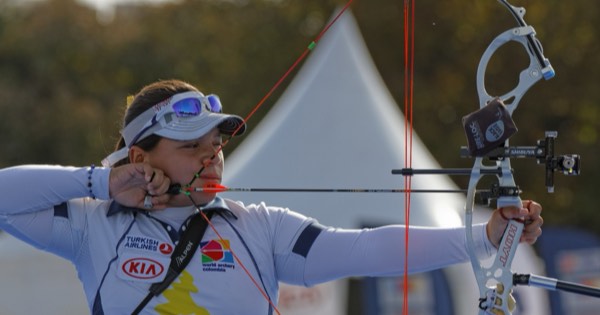
How to Choose Your First Recurve Bow: A Beginner's Guide
How to choose a first recurve bow: takedown vs one-piece, draw weight, bow length for your draw length, riser types, eye dominance, and essential accessories.
Updated February 6, 2025 · 11 min read
 Comparisons
Compound vs Recurve Bow: Key Differences Explained
Compound vs recurve bow compared: how each works, let-off and holding weight, aiming systems, competition formats, maintenance, hunting, and which suits you.
February 6, 2025 · 8 min read
 Comparisons
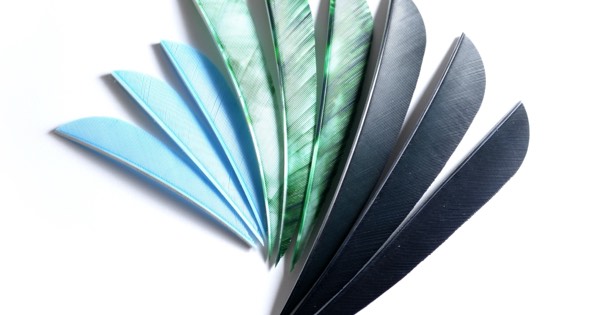
Feathers vs Vanes: Which Arrow Fletching Should You Use?
Feathers vs vanes compared: weight, forgiveness off the shelf, speed, drag, weather, durability, noise, rests, broadheads and which fletching suits your bow.
Updated September 30, 2026 · 5 min read