
Dry Firing a Bow: What Happens and What to Do
What dry firing a bow means, what it can damage on a compound or recurve, what to do right away, why a bow that looks fine still needs checking, and warranties.

By Archery Insider Editorial Team
· 9 min read
In this article
Dry firing is the one mistake every bow manual warns about in capital letters. It means releasing the string with no arrow on it, so the energy that should have gone into the arrow goes back into the bow instead. On a modern compound that can bend cams, derail the string and crack limbs; on any bow it can cause injury.
If you have just dry fired a bow, start with the checklist below. The rest of this guide explains what happens, what damage to look for, why a bow that looks fine still needs inspecting, what warranties say, and how to stop it happening again.
If you just dry fired your bow
- Stop. Do not draw the bow again, even to "test" it.
- Check yourself and anyone nearby for injury. Broken parts can fly off. Look for cuts, and get medical help for any eye injury.
- Keep everyone back and point the bow in a safe direction while you look it over.
- Look, but don't fix. Note anything broken, bent or off the cams. Don't try to put a derailed string back on.
- Collect any loose pieces (bits of cam, string, accessories) and put them in a bag with the bow.
- Case the bow and take it to an authorised dealer or pro shop for a full inspection.
- Tell the shop exactly what happened, including the draw weight and whether an arrow was on the string.
Archery 360's advice after any dry fire is short: "Take it to a pro shop."
What dry firing means
Elite's manual defines it plainly: "Dry-firing means to draw and release the bowstring without an arrow on the string. This can cause severe damage to your bow and possible injury." Hoyt's recurve warnings say the same: "NEVER 'DRY FIRE' YOUR BOW."
A dry fire doesn't only happen with an empty string. Manufacturers list several ways it can happen with an arrow on the bow:
- An improperly nocked arrow. Elite warns that "an improperly nocked arrow may cause your bow to dry-fire."
- A cracked nock. Elite: "a cracked nock can break when fired and cause the bow to dry-fire."
- An arrow that is too light. Both Bear and Elite say that "shooting underweight arrows has the same effect as dry-firing." Elite adds: "Do not use an arrow that is less than 5 grains per pound." Hoyt gives the same minimum for its recurves: "Do not shoot an arrow weighing less than five grains for every pound of peak draw weight."
- A string that derails from the cams during the shot.
| Situation | Treat it as a dry fire? |
|---|---|
| Released the string with no arrow on it | Yes |
| Arrow fell off the string or rest as you released | Yes, likely |
| Nock cracked or broke and the arrow barely left the bow | Yes |
| Arrow lighter than 5 grains per pound of draw weight | Manufacturers say it has the same effect |
| String or cable jumped off a cam during the shot | Yes, and don't draw again |
| Let the string down slowly with no arrow (a let-down) | Not a dry fire, but avoid drawing without an arrow at all |
If you are unsure, treat it as a dry fire and have the bow inspected.
Our guide to choosing arrows explains arrow weight and spine.
What happens to a bow when it is dry fired
When you shoot normally, most of the energy stored in the limbs goes into the arrow. With no arrow, that energy has nowhere to go. Archery 360 describes how "shock waves blast through every inch of the bow's moving parts," and notes that bow technicians describe dry fires as "explosions."
A compound has many parts working together (limbs, cams, axles, string, cables, draw stops), so there are many places for damage to appear. Archery 360 says "the cams usually bend," and "the draw stop can hit the limb and crack it."
What damage to look for
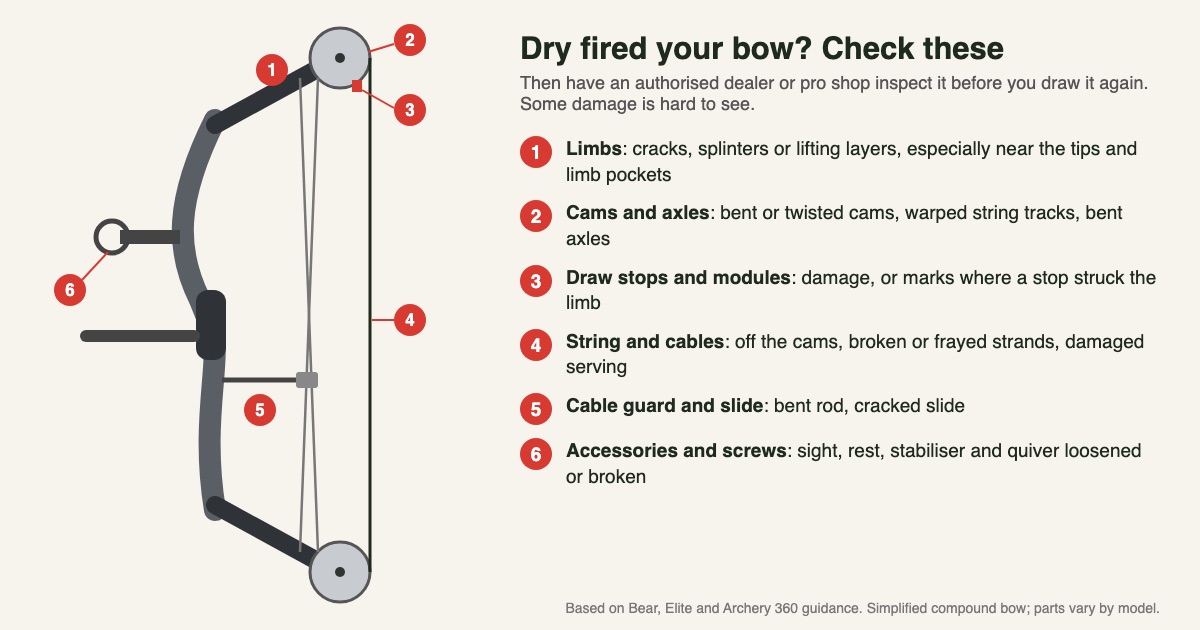
Our diagram above shows the main areas. A Louisiana shop owner with more than two decades in the business lists typical damage as "broken string and cables, bent or broken cams or even broken limbs."
Limbs
Look along each limb for cracks, splinters, chips or layers lifting, especially near the limb tips and where the limbs sit in the limb pockets. Elite asks owners to "inspect it for damage, cracking, or splintering and replace any damaged parts."
Cams and axles
Look for cams that are bent, twisted or lean noticeably, string tracks that are warped or chipped, and axles that look bent. Even a slight bend can change how the bow draws and shoots.
Draw stops and modules
Check the draw stops for damage and the limb for marks where a stop has struck it.
String and cables
Check whether the string or cables have jumped out of their tracks, and look for broken strands, fraying and damaged serving. A string that has come off the cams is a clear sign of a violent dry fire.
Cable guard, accessories and screws
Check the cable guard rod and slide, and every accessory: sight, rest, stabiliser, quiver and peep. Dry fires shake screws loose and can break sight pins and rest parts.
"There's no visible damage." Is the bow safe?
This is the most common question after a dry fire, and the answer from manufacturers is consistent: don't assume it is. Bear says a dry-fired bow "should be fully inspected by an authorized dealer before being shot again." 60X Custom Strings warns that "even if you only dry fire a bow once, there could be damage or tuning issues that are difficult for untrained eyes to detect." The Louisiana shop owner adds that a bow can be knocked out of tune even when nothing looks broken.
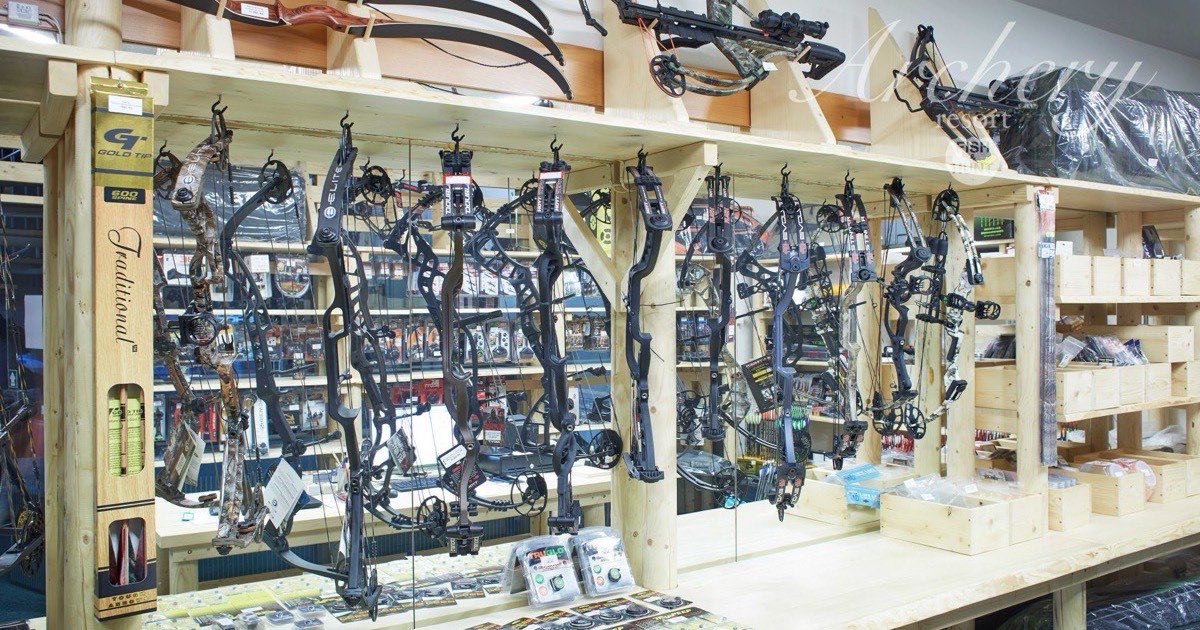
Small cracks inside a limb, a slightly bent cam or a stressed axle may not show to the eye but can fail later under load. A shop can check the parts properly, measure timing and draw specifications and decide what needs replacing. A bow that passes inspection still needs its tune and sight marks checking.
The string came off the cams
If the string or cables have derailed, leave them. Don't try to force them back into the tracks and don't draw the bow. Putting a string back on a compound needs a bow press, and the shop will want to see the bow as it is to judge the damage. TenPoint makes the same point for crossbows: "You need a specially made bow press to change the string and cables on your crossbow."
Will the warranty cover it?
Usually not. Manufacturers we checked are explicit:
- Bear: "Please note damage due to dry fire is not covered under warranty." Its warranty also excludes "damage caused by abuse, mishandling, dry firing."
- Elite: "Damage caused by dry-fire will not be covered under warranty." Its warranty excludes "misuse or abuse of the bow such as dry-firing."
Warranty terms differ by brand and change over time, so check your own manual and talk to your dealer. Because shooting arrows under 5 grains per pound is treated like a dry fire, using arrows that are too light can also affect a warranty claim.
Recurves, longbows and crossbows
Recurves and longbows
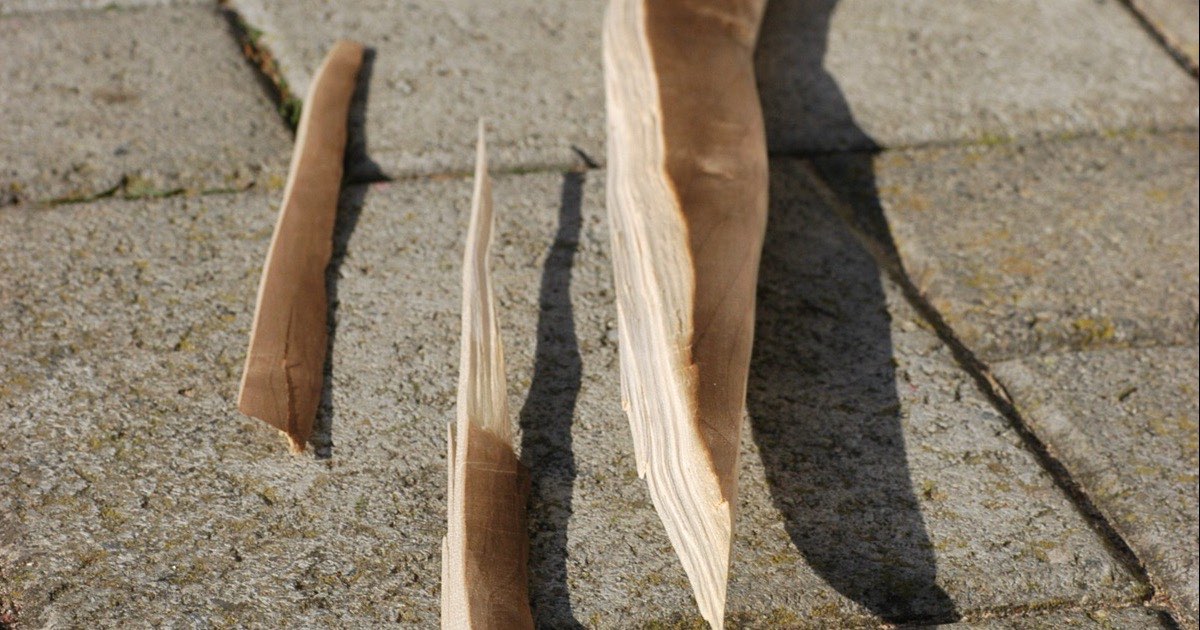
60X says "dry firing a recurve bow isn't as dangerous as dry firing a compound bow or crossbow," but warns that recurves still "store a tremendous amount of energy." Limbs can crack or twist, limb tips can be damaged and strings can break. Hoyt's recurve warnings are unambiguous: never dry fire. Inspect a recurve or longbow the same way, paying close attention to the limb tips and the limbs near the riser, and have it checked before shooting it again. Our recurve stringing guide covers safe handling.
Crossbows
Crossbows store a lot of energy in short limbs, and dry firing one can be especially destructive. Our crossbow maintenance checklist explains what to do if it happens, and our guide to crossbow bolts covers the minimum bolt weights and correct nocks that help prevent it.
How to prevent a dry fire
- Never draw a bow without an arrow. If you want to feel the draw, ask a pro shop to put it on a draw board.
- Don't let other people draw your bow unless they know this rule. Curious friends and children are a common cause; our range safety guide covers basic rules.
- Check every nock for cracks before each shot, and replace damaged nocks.
- Nock arrows fully, and listen and feel for the nock clicking onto the string.
- Use arrows at or above the minimum weight, at least 5 grains per pound of draw weight, per Bear, Elite and Hoyt.
- Keep arrows the right length for your draw, so they sit safely on the rest.
- Keep strings and cables in good condition so they stay on the cams; see how long bow strings last.
- Store bows where others cannot pick them up and draw them.
Having a dry-fired bow inspected
Advantages
- Finds hidden damage before it fails at full draw
- Confirms timing, draw weight and draw length
- Gives the bow a fresh tune and safety check
Trade-offs
- Takes time and may cost money
- Damaged parts are usually not covered by warranty
You can browse bow cases for safe transport to a shop, or replacement arrow nocks on Amazon.
Frequently asked questions
Does dry firing a bow once ruin it?
Not always, but it can cause serious damage, and some damage is hard to see. Manufacturers say a dry-fired bow should be inspected by a dealer before it is shot again.
My bow looks fine after a dry fire. Can I keep shooting?
No. Have it inspected first. Cracks, bent cams and tuning problems may not be visible.
What should I do if the string came off after a dry fire?
Don't draw the bow or try to put the string back on. Case it and take it to a pro shop; re-stringing a compound needs a bow press.
Is dry-fire damage covered by warranty?
Bear and Elite both state that dry-fire damage is not covered. Check your own bow's warranty terms.
Can dry firing a bow hurt you?
Yes. Manufacturers warn of possible injury from parts breaking. Keep people back and check for injuries.
Is it bad to dry fire a recurve or longbow?
Yes. It is generally less violent than with a compound or crossbow, but it can still crack limbs and break strings.
Does shooting a very light arrow count as dry firing?
Bear and Elite say that shooting underweight arrows "has the same effect as dry-firing." Stay at or above 5 grains per pound of draw weight.
Related articles
 Gear
How Long Do Bow Strings Last? When to Replace Them
How long do bow strings last? What Hoyt, Bear and string makers recommend, how storage affects strings, signs of wear, and when to replace string and cables.
October 19, 2026 · 10 min read
 Guides
How to Choose Arrows: Spine, Length, Weight and Spine Charts
How to choose arrows: what spine means, reading a spine chart, measuring arrow length, arrow weight and FOC, fletching, and bare-shaft tuning to confirm it.
Updated June 26, 2026 · 9 min read
 Gear
Crossbow Maintenance: A Complete Checklist
A crossbow maintenance checklist: pre-shoot inspection, waxing string and cables, rail lube, checking bolts and screws, storage and string replacement.
October 16, 2026 · 9 min read