
Is 60 lb Draw Weight Enough for Hunting?
Is 60 lb draw weight enough for deer and elk? Four agencies' legal minimums, our kinetic energy maths, and why arrow setup and shot placement matter more.
By Archery Insider Editorial Team
· · 5 min read
In this article
Is 60 lb draw weight enough? For deer and elk with a modern compound, it clears every legal minimum in the four agency rules we read, and our calculations put an example 60 lb setup at or just above the energy range often quoted for elk. But draw weight is not what makes a hunting shot work: a sharp, well-flying arrow placed in the vitals matters far more than the number on the limbs.
Short answer by game: the legal minimums
Minimums are set by state and provincial agencies, and they vary. These are the four official pages we read:
| Agency | Deer and similar game | Elk, moose and similar | Does 60 lb clear it? |
|---|---|---|---|
| Alaska (5 AAC 92.085) | 40 lb peak for black-tailed deer, black bear, caribou | 50 lb peak for moose, elk, brown bear | Yes |
| Maine IF&W | 35 lb | 45 lb for moose | Yes |
| Oregon ODFW | 40 lb for deer, pronghorn, black bear | 40 lb for elk, bighorn sheep | Yes |
| Wyoming (Chapter 32) | 40 lb for deer, antelope, black bear | 50 lb for elk, grizzly, moose | Yes |
Alaska also requires arrows of at least 20 inches and "a minimum of 300 grains in total weight", and Oregon, Maine and Wyoming set a 7/8-inch broadhead width. Don't assume another state matches these.
What 60 lb actually produces
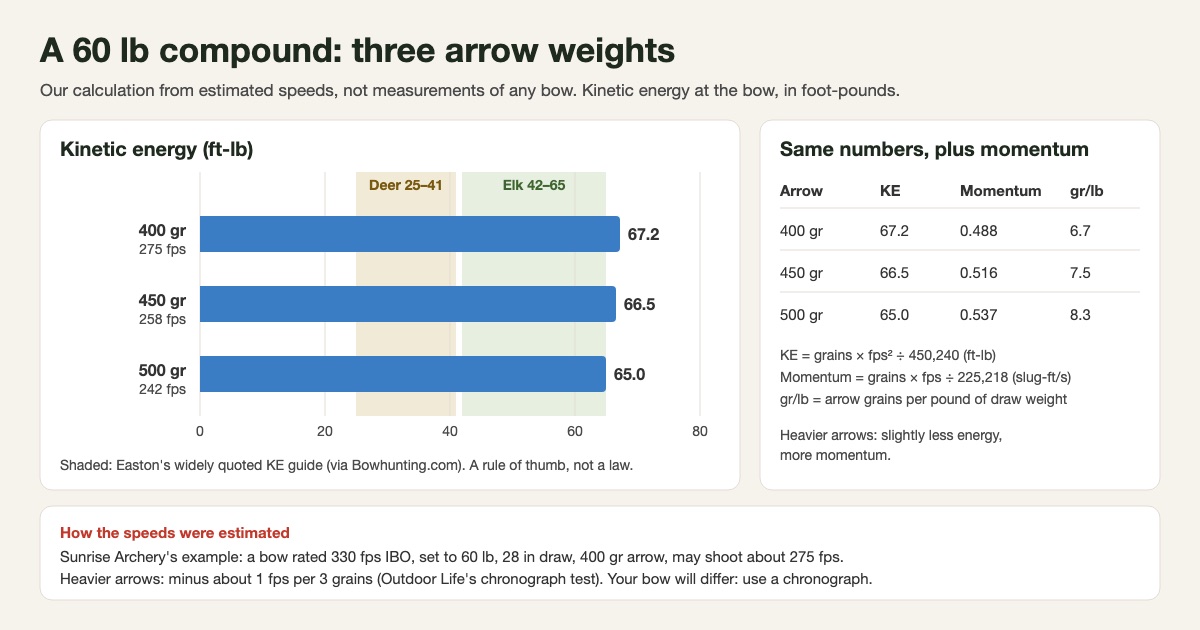
Draw weight is only an input; what reaches the animal is a moving arrow. We calculated kinetic energy (KE) with the standard formula: grains × fps² ÷ 450,240.
For speed, we started from Sunrise Archery's example: a bow rated 330 fps IBO, "set at 60#s – 28 inch draw – 400gr arrow may get an actual speed of approximately 275fps." For heavier arrows we subtracted about 1 fps per 3 grains, the rate Outdoor Life measured in its chronograph test. That gives, by our calculation:
- 400 grains at 275 fps: 67.2 ft-lb
- 450 grains at about 258 fps: 66.5 ft-lb
- 500 grains at about 242 fps: 65.0 ft-lb
Bowhunting.com reports Easton's widely quoted guide as 25–41 ft-lb for deer and 42–65 ft-lb for elk, black bear and boar. Treat those bands as rules of thumb. Arrows also lose energy downrange, and a recurve or longbow at the same draw weight usually shoots slower than these compound figures.
Arrow setup matters more than the number
The same Bowhunting.com piece is clear on this: "Shot placement, broadhead design, and a myriad of other factors are important to consider when talking about the hunting effectiveness of an arrow delivered from a bow." A poorly tuned arrow or a dull, wobbling broadhead wastes much of a 60 lb bow's energy.
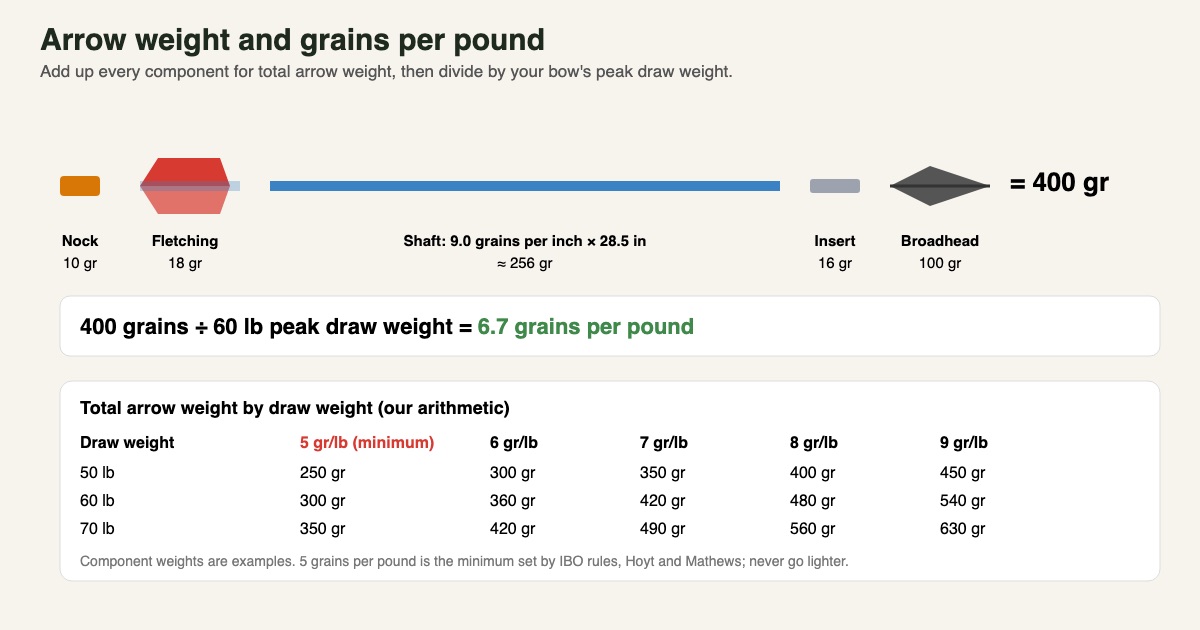
Heavier arrows trade a little speed for more momentum, which some hunters favour for bigger game. Spine has to suit the bow and point weight, so our guide to choosing arrows by spine, length and weight is the place to start. Our draw weight for deer hunting guide covers lighter setups too.
Shot placement and drawing cold
No amount of energy rescues a poor hit. Broadside and quartering-away shots into the heart and lungs give a sharp broadhead its best chance; our deer shot placement guide shows where to aim.
The real test of 60 lb is whether you can draw it smoothly after sitting still for hours in the cold, without lifting the bow skyward or making a noise. If you can't, turn it down. Most compounds adjust within a range, and by Outdoor Life's rate, 5 lb less costs only about 11 fps.

To set your bow up, you can browse bow draw weight scales on Amazon to check your real peak weight, or look at 400-spine hunting arrows as examples to consider. Confirm spine against your maker's chart first.
Frequently asked questions
Is a 60 lb bow enough for elk?
It meets the elk minimums we read: 50 lb in Alaska and Wyoming, 40 lb in Oregon. Our calculation puts an example 60 lb compound at about 65–67 ft-lb with 400–500 grain arrows, at or just above the top of Easton's widely quoted elk band. Shot placement, a sharp fixed broadhead and good tuning still matter more than draw weight.
Is 60 lb overkill for deer?
Not overkill, but more than the law requires: Maine's minimum is 35 lb and Alaska, Oregon and Wyoming set 40 lb for deer. Extra energy doesn't hurt, but accuracy matters more. If 60 lb makes you strain or shake at full draw, a lower setting you control well is the better choice.
Should I go up to 70 lb?
Only if you can draw 70 lb smoothly in hunting conditions. Outdoor Life measured about 2.25 fps gained per extra pound, so 10 lb adds roughly 22 fps, a modest gain. Spending effort on arrow weight, tuning and broadhead sharpness usually pays off more than extra draw weight you struggle to pull.
Related articles
 Guides
What Draw Weight Do You Need for Deer Hunting?
How much draw weight do you need for deer? Legal minimums, why arrow energy matters, compound vs traditional bows, elk, and choosing a weight you can shoot.
October 5, 2026 · 10 min read
 Guides
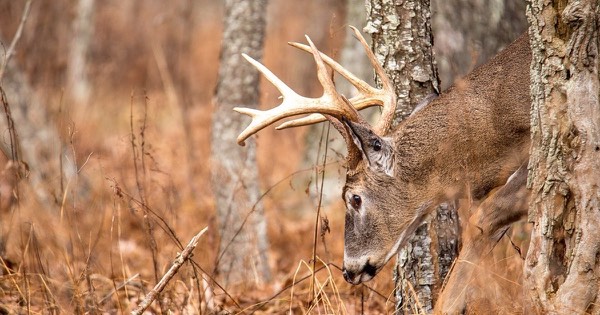
Where to Shoot a Deer With a Bow: Shot Placement
Bow shot placement for deer: where the heart and lungs sit, how to aim broadside, quartering away and from a tree stand, which shots to pass on, and why.
October 6, 2026 · 10 min read
 Guides
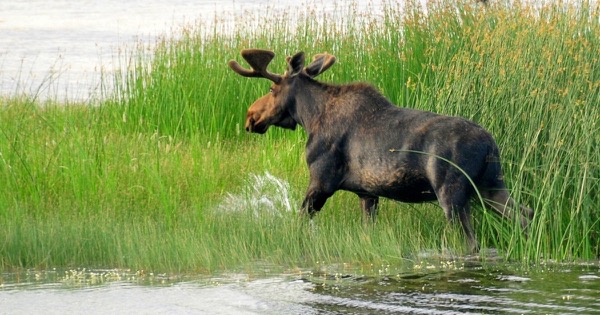
Bowhunting Moose: Draw Weight and Shot Placement
Draw weight to kill a moose: Alaska and Maine legal minimums, arrow and broadhead rules, where to aim on a moose, shot angles to pass on and meat care basics.
Updated October 6, 2026 · 5 min read