
Flemish Twist vs Endless Loop Bowstrings
Flemish twist bow string or endless loop? How each is built, what makers say about speed and loop protection, and how to twist a string to set brace height.
By Archery Insider Editorial Team
· 4 min read
In this article
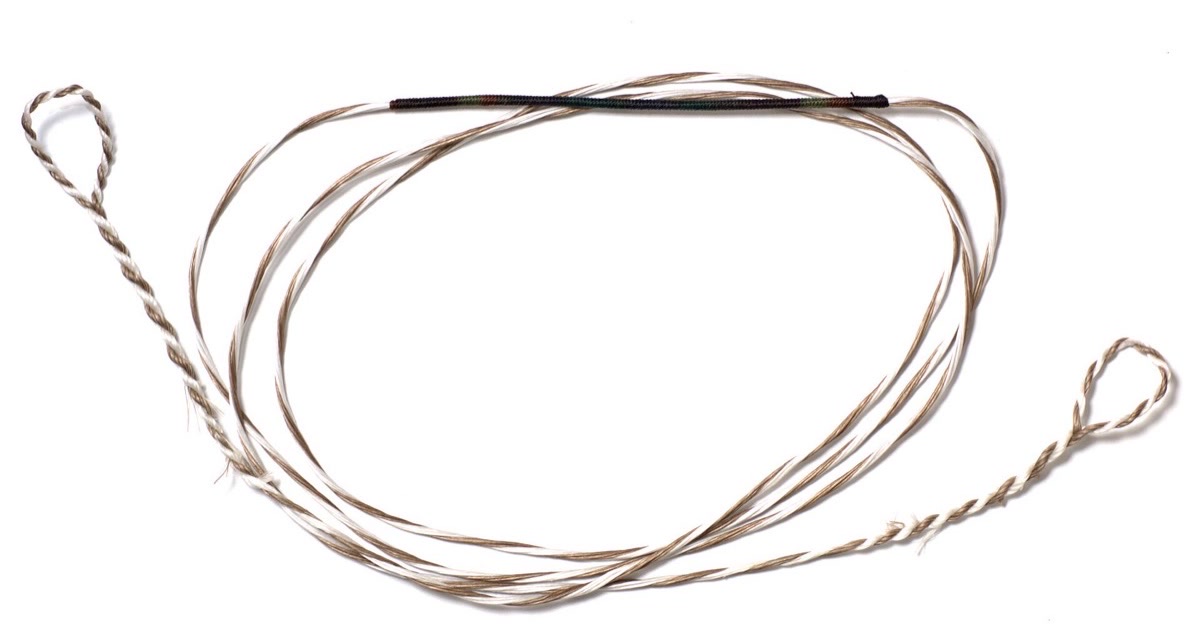
A Flemish twist bow string has end loops made by twisting bundles of strands together, while an endless loop string is one continuous strand wound into a loop, with its end loops wrapped in serving thread. Both work on traditional bows, and both are shortened or lengthened by twisting to set brace height. The trade-off is small: 3Rivers says the endless loop is "slightly faster" with "extra protection on loops," while a Flemish string needs care when you remove twists.
How each string is built
Flemish twist. Each end loop is formed by twisting bundles of strands together, so the loop itself is bare string. 3Rivers' set-up guide explains why that matters: "These strings rely on opposing twists to stay together. If you remove too many twists, the string loops may unravel and your string may come apart."
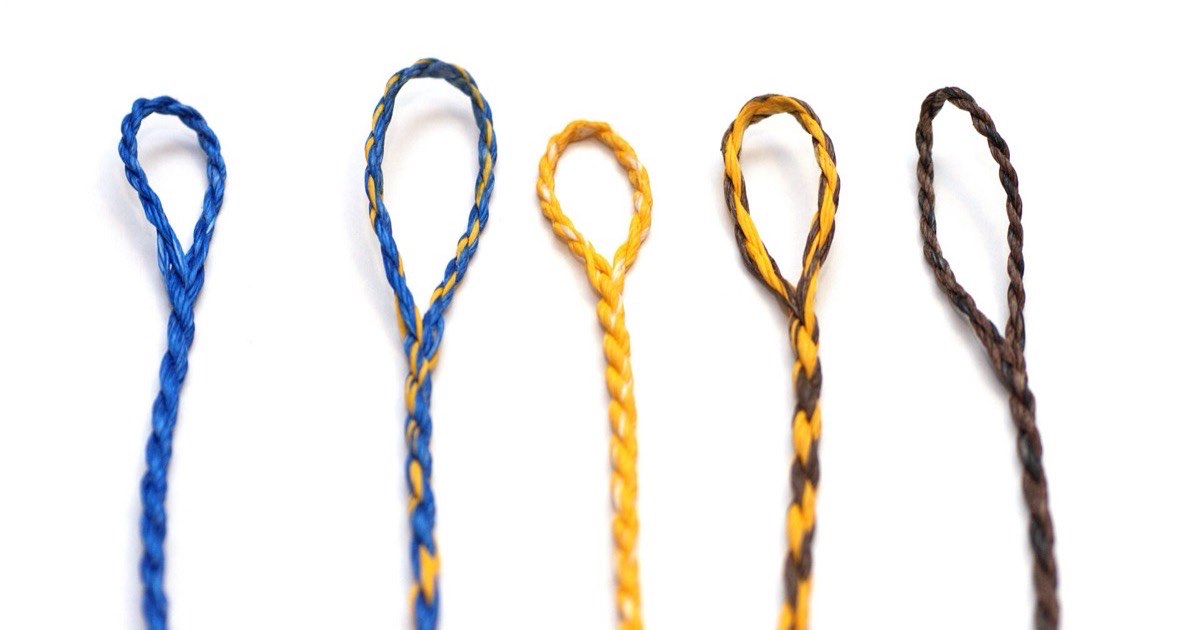
Endless loop. One continuous strand is wound into a long loop, and the end-loop areas are wrapped in serving. On 3Rivers' Double Loop B55 Dacron Endless string, the end loops are served with "braided nylon for longevity" and the centre "with bonded nylon for abrasion resistance."
Both styles need a centre serving where the arrow nock and your fingers sit. If either kind is fraying or its serving is separating, our guide to frayed bowstrings explains what can and can't be fixed.
Pros and cons at a glance
| Point | Flemish twist | Endless loop |
|---|---|---|
| End loops | Twisted strand bundles, unserved | Served over the strands |
| Loop protection | 3Rivers: loops "may unravel" if too many twists are removed | 3Rivers: "extra protection on loops" |
| Speed | No figure from the sources we read | 3Rivers: "slightly faster than a Flemish twist" |
| Stretch | 3Rivers: new Flemish strings "will stretch" | 3Rivers: its strings stretch during break-in |
| Brace-height adjustment | Add or remove twists, carefully | Add or remove twists |
3Rivers gives no figure for how much faster an endless loop is, and we found none elsewhere from a maker. Treat it as a small difference.
Twisting to adjust brace height
Both styles are tuned the same way. Bear's traditional bow manual says to "increase brace height by shortening your bowstring, removing the string from one end of the bow and twisting it." To find the right direction, "hold the center serving between the thumb and forefinger of one hand and twist in either direction with the other hand. The direction that tightens the serving is the proper direction." It adds that "with Flemish twist strings, you will notice the twists tightening or loosening."
3Rivers puts it the other way round: twist tighter to raise brace height, or "remove twists to lengthen it, lowering the brace height."
How many twists? BCY Fibers, which makes string material, says "the amount of twists is not a specific number but 1/2 to 3/4 twists per inch is a suggested range," and that twisting "keeps the bundle of strands together." If you'd need far more than that to reach your brace height, check the string length. Always unstring with a stringer before twisting; our guides to stringing a recurve and stringing a longbow cover that step.
Which string for which bow
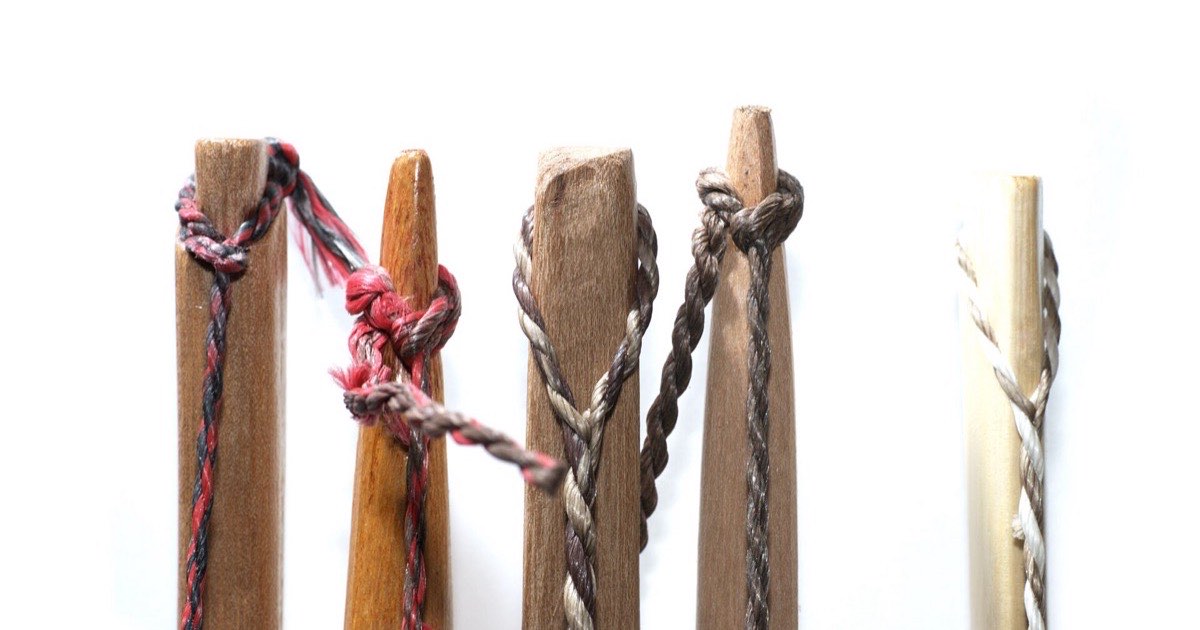
The string material and your bow maker's approval matter more than the loop style. 3Rivers describes its Dacron endless string as "safe to shoot on all bows, especially older models that can not take today's modern string materials." By contrast, the Samick Sage is listed with "phenolic reinforced limb tips to take a Fast Flight string." If you don't know whether your bow's tips are rated for modern, low-stretch materials, ask the maker or use Dacron.
For length, 3Rivers suggests longbows "typically require a string 3" shorter than marked bow length," and recurves one 4" shorter, though measuring your current string is better.
You can browse Flemish twist recurve strings or Dacron endless loop strings on Amazon. Treat listings as examples to consider, and match length, strand count and material to your bow maker's guidance.
Frequently asked questions
How do you adjust a Flemish twist bow string?
Unstring the bow with a stringer, slip one loop off its limb, then add twists to shorten the string and raise brace height, or remove twists to lower it. Twist in the direction that tightens the centre serving, as Bear advises. Don't remove too many: 3Rivers warns the loops can unravel.
Is an endless loop string better than a Flemish string?
Not clearly. 3Rivers says an endless loop is slightly faster and better protected at the loops, but gives no figures, and both adjust by twisting. The bigger decision is the material: use Dacron on older bows unless the maker approves modern low-stretch strings.
Related articles
 Training
How to String and Unstring a Recurve Bow Safely
How to string and unstring a recurve bow with a stringer, why step-through stringing twists limbs, post-stringing checks, brace height and string care.
Updated February 1, 2025 · 8 min read
 Training
How to String a Longbow Safely
How to string a longbow or other traditional bow with a stringer: fitting the pocket and saddle, seating both loops, checking brace height and unstringing.
July 7, 2026 · 4 min read
 Gear
GearDoes Bowstring Colour Matter?
Does bow string color matter for hunting or accuracy? What deer vision research shows, what string makers measured about dyes, and how to choose a colour.
September 12, 2026 · 4 min read