
Tree Stand vs Ground Blind for Bowhunting
Tree stand vs ground blind for bowhunting deer: view, hiding your draw, scent, shot angle, safety and setup compared, with when to choose each.
By Archery Insider Editorial Team
· · 5 min read
In this article
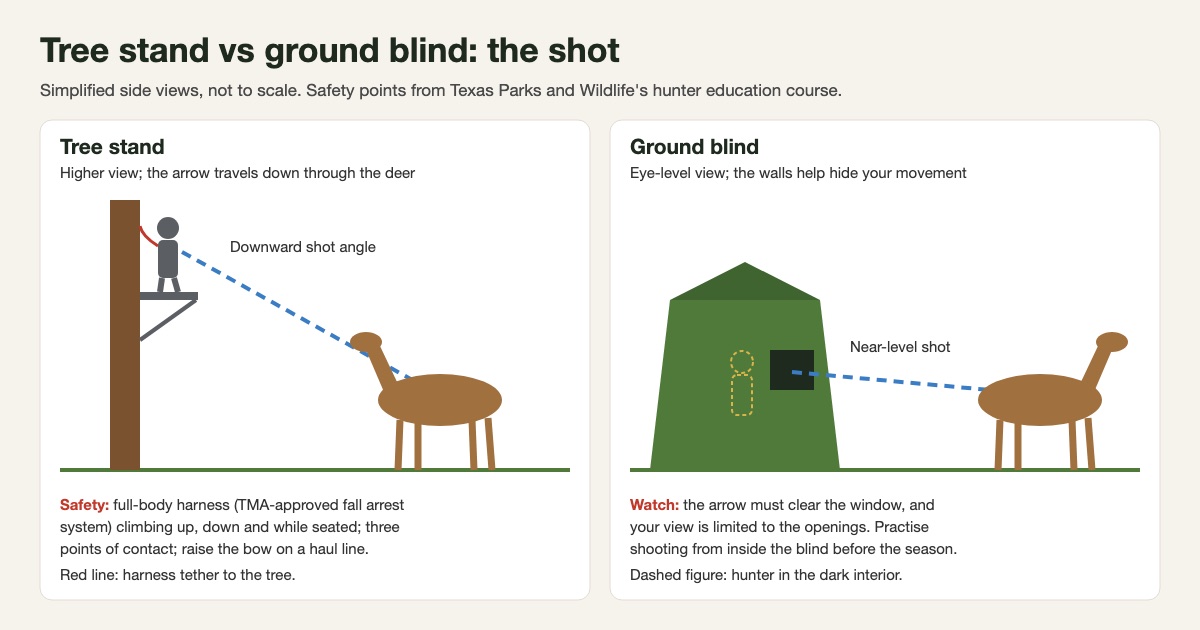
In the tree stand vs ground blind debate, neither wins outright. A tree stand gives a wider view from above deer, but adds a fall risk and a steeper shot angle. A ground blind hides your movement when you draw and keeps you on the ground, but narrows your view to its windows. For bowhunting deer, the choice depends on cover, season and how you hunt.
Tree stand vs ground blind: side by side
| Factor | Tree stand | Ground blind |
|---|---|---|
| View | Wide, from above | Limited to the windows |
| Hiding your draw | Relies on cover around the tree and timing | Walls and a dark interior hide most movement |
| Scent | Many hunters believe height helps; wind still matters | TPWD says some blinds help reduce scent; wind still matters |
| Shot angle | Downward; aim point shifts | Near level, through a window |
| Main safety concern | Falls: harness, three points of contact, haul line | No fall from height; arrow must clear the window |
| Setup | Needs a suitable tree | Works where trees don't, such as field edges |
| Weather | Exposed to wind and rain | Shelter from wind and rain |
The scent row is the least settled. The idea that height carries scent over deer is widely repeated, but we found no testing behind it, so treat it as hunter opinion.
Tree stands: view, angle and safety
Height lets you see deer coming from further away. The trade-off is the shot. Ulmer advises you to "visualize the path of the arrow through the deer" and aim so it passes through the centre of the body cavity, which from a stand means aiming higher than you would from the ground. Our deer shot placement guide explains the vital area in more detail.
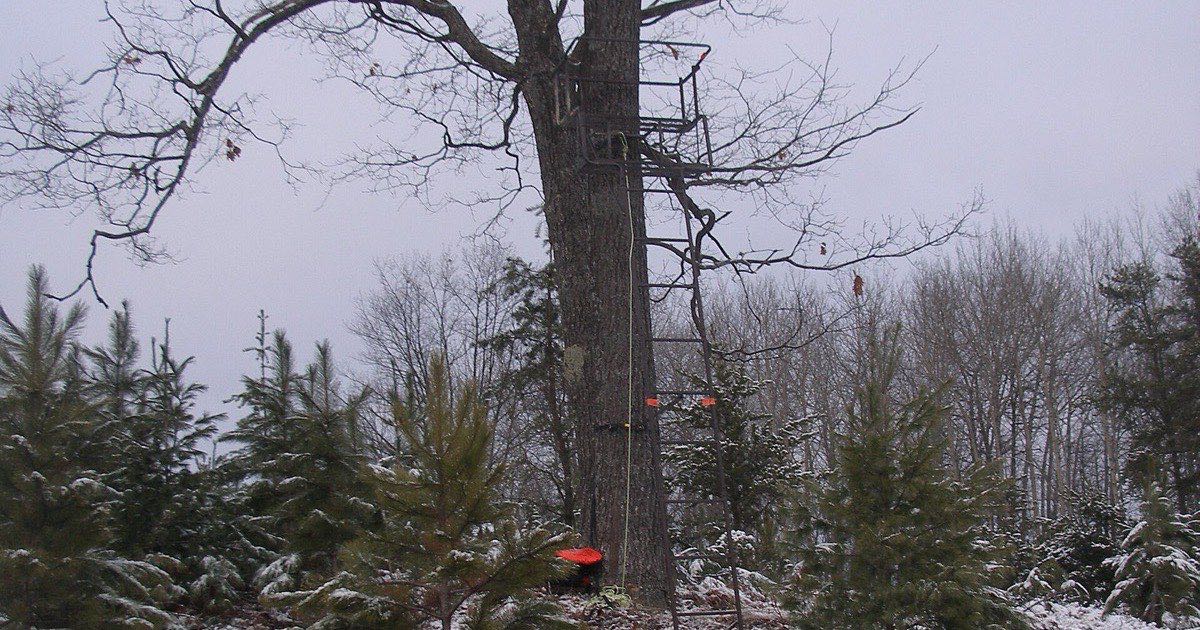
Safety is the bigger difference. Texas Parks and Wildlife's hunter education course says to "always use" a Treestand Manufacturers Association (TMA) approved fall arrest system "when getting into or out of a stand, and while hunting." That system includes "a full body harness worn by the hunter, a tether, and a tree belt." It also teaches three points of contact on the ladder or climbing device, "either two feet and one hand or two hands and one foot," and says bows should be "raised or lowered by an appropriate haul line" rather than carried as you climb. TPWD also recommends practising with your harness at ground level first.
Ground blinds: concealment and limits
TPWD lists several benefits of blinds: they conceal the hunter, some muffle sound and reduce scent, and they let you watch wildlife for long periods. For bowhunters, the big one is drawing without being seen.
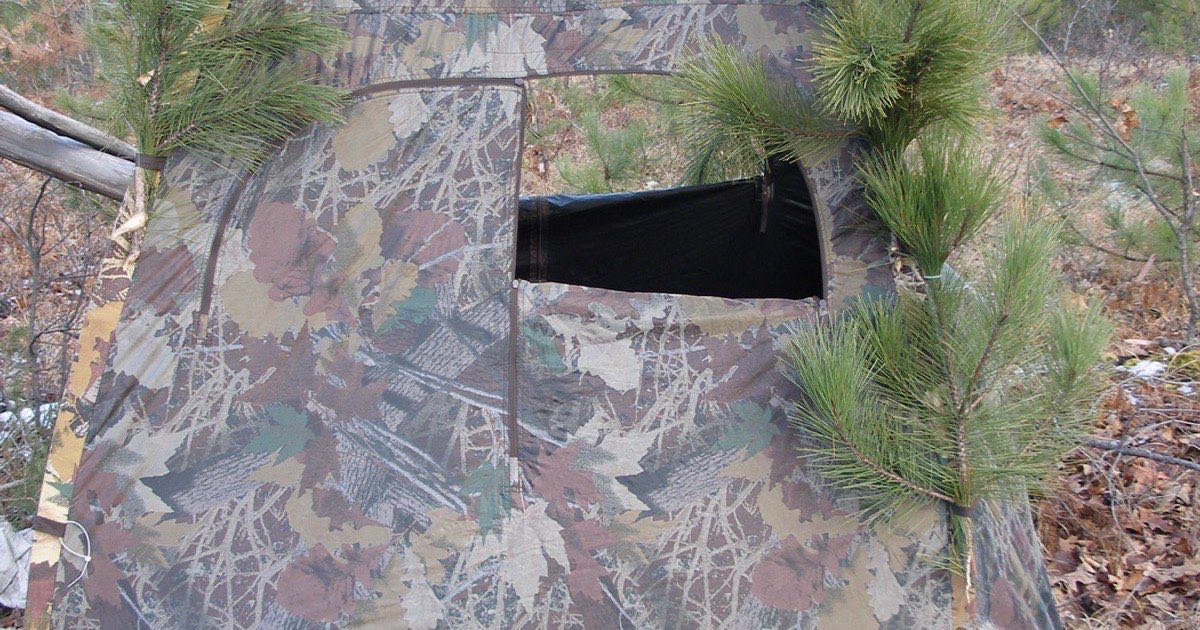
The limits are real, too. You only see what the windows show you, and the arrow must clear the window frame at full draw. Some blinds have mesh over the windows. Jon E. Silks's Bowhunter test found "you can confidently shoot through a mesh window and expect to hit what you are aiming at with notable accuracy," but he adds you "should practice doing it ahead of time." If you hunt turkeys from a blind, see our turkey shot placement guide.
When to choose each, and combining both
- Choose a tree stand when there's a good tree on the travel route and you'll follow the harness routine every time.
- Choose a ground blind where there are no suitable trees, for hunters who can't or shouldn't climb, or in bad weather.
- Use both on one property: a stand where trees and wind suit it, a blind for field edges or a wrong wind.
Check the rules first: some public land limits how long a stand or blind can stay out. New to deer hunting? Our guide to whether you can hunt deer with a bow covers the basics.
If you need gear, you can browse full-body tree stand safety harnesses or ground blinds for bowhunting on Amazon. Treat any listing as an example to consider, and look for TMA certification on harnesses.
Frequently asked questions
Is a tree stand or ground blind better for deer?
Neither is better everywhere. A tree stand gives a wider view from above, while a ground blind hides your draw and works where trees don't. You can use both on one property, choosing by cover, wind and season, and by how comfortable you are climbing safely.
Is a ground blind safer than a tree stand?
A ground blind removes the risk of falling from height, which is why stand hunters are told to wear a full-body harness from the moment they leave the ground. We haven't found reliable injury figures comparing the two, so treat "safer" as a common-sense point, not a statistic.
Do you aim differently from a tree stand?
Yes. Bowhunter's Randy Ulmer says to picture the arrow's path through the deer so it passes through the centre of the body cavity. From a stand, that usually means aiming slightly higher on the side of the deer than you would on a level shot from the ground.
Related articles
 Guides
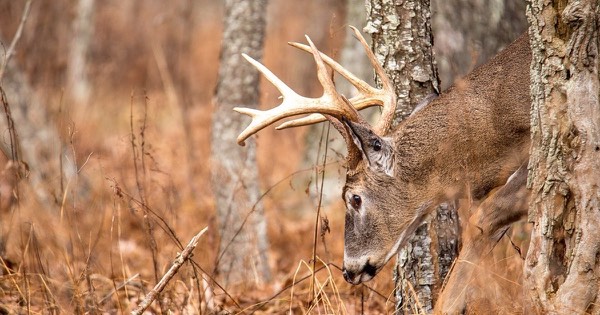
Where to Shoot a Deer With a Bow: Shot Placement
Bow shot placement for deer: where the heart and lungs sit, how to aim broadside, quartering away and from a tree stand, which shots to pass on, and why.
October 6, 2026 · 10 min read
 Gear
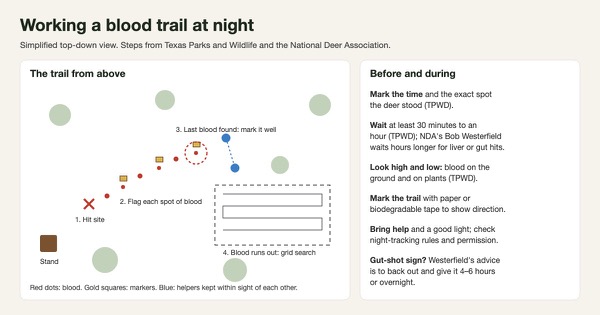
GearTracking Blood at Night: Lights, Tips and Mistakes
How to follow a blood trail for deer after dark: wait times, marking the trail, headlamp vs handheld, and what claims about green and blue lights rest on.
Updated October 6, 2026 · 4 min read
 Guides
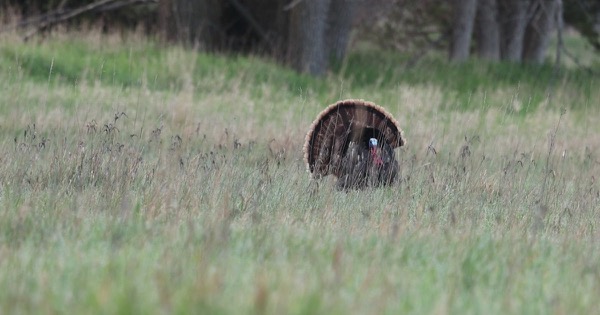
Turkey Shot Placement With a Bow
Turkey anatomy for bow hunting: where the vitals sit, aim points for broadside, strutting-away and head-on birds, and the legal checks for head and neck shots.
Updated October 6, 2026 · 5 min read