
Crossbow vs Compound Bow: Which Is Better for You?
Crossbow vs compound bow compared: how each works, speed and energy, weight, holding and follow-up shots, accuracy, learning curve, hunting rules and costs.
By Archery Insider Editorial Team
· 5 min read
In this article
Crossbows have become one of the fastest-growing ways into bowhunting, and many hunters now wonder whether they should start with a crossbow or a compound bow, or switch from one to the other. Both shoot arrows with real power and accuracy, but they are very different tools to carry, shoot and live with.
This comparison explains how each works, the numbers that matter, the practical differences in the field, and the regulations that may make the decision for you.
The quick answer
| If you... | Lean towards |
|---|---|
| Cannot draw a vertical bow to legal hunting weight | Crossbow |
| Want the shortest path to accurate shots from a blind | Crossbow |
| Hunt on foot, cover distance or climb a lot | Compound |
| Want quick follow-up shots and quiet reloading | Compound |
| Want to shoot target archery and competitions | Compound |
| Hunt where crossbows are restricted in archery season | Compound (check the rules) |
How each works
Compound bow
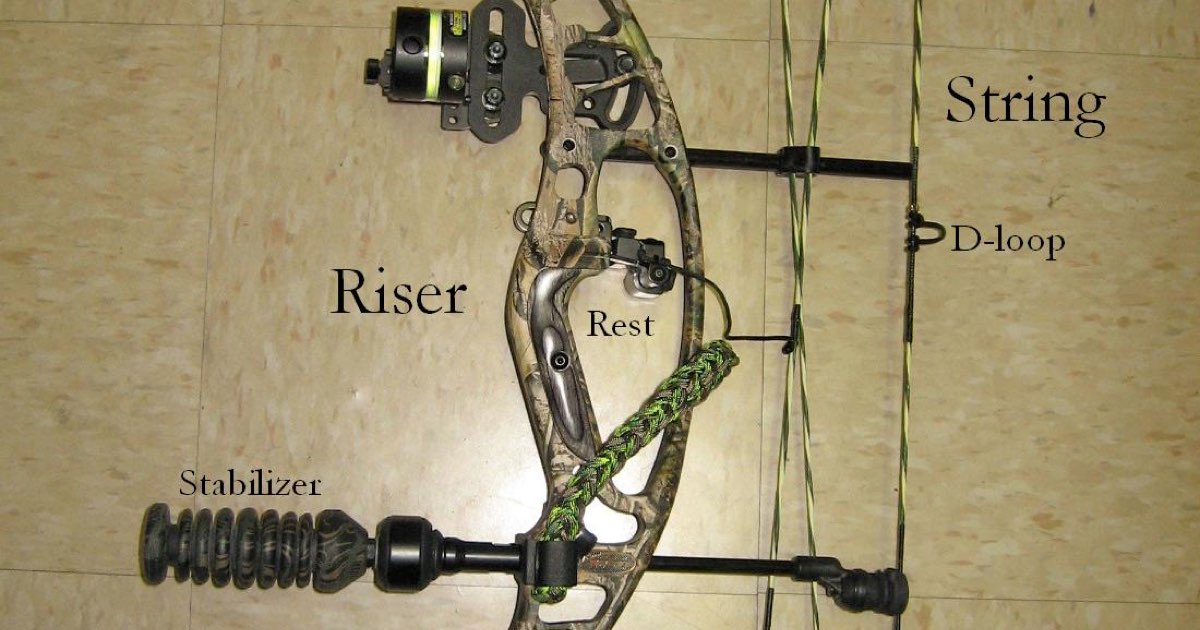
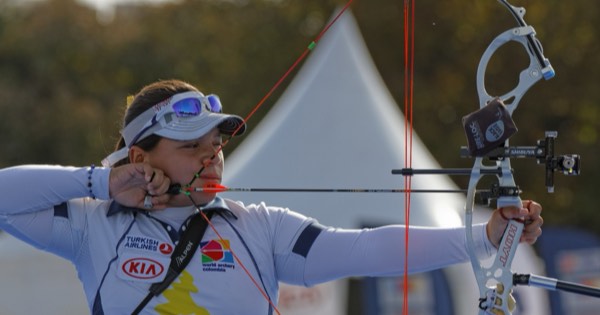
A compound uses cams and cables to store energy in its limbs. Draw weight peaks partway through the draw and then lets off, so the archer holds only a fraction of the peak weight at full draw. The archer draws, aims and releases in one sequence. Our compound vs recurve comparison explains let-off in detail.
Crossbow
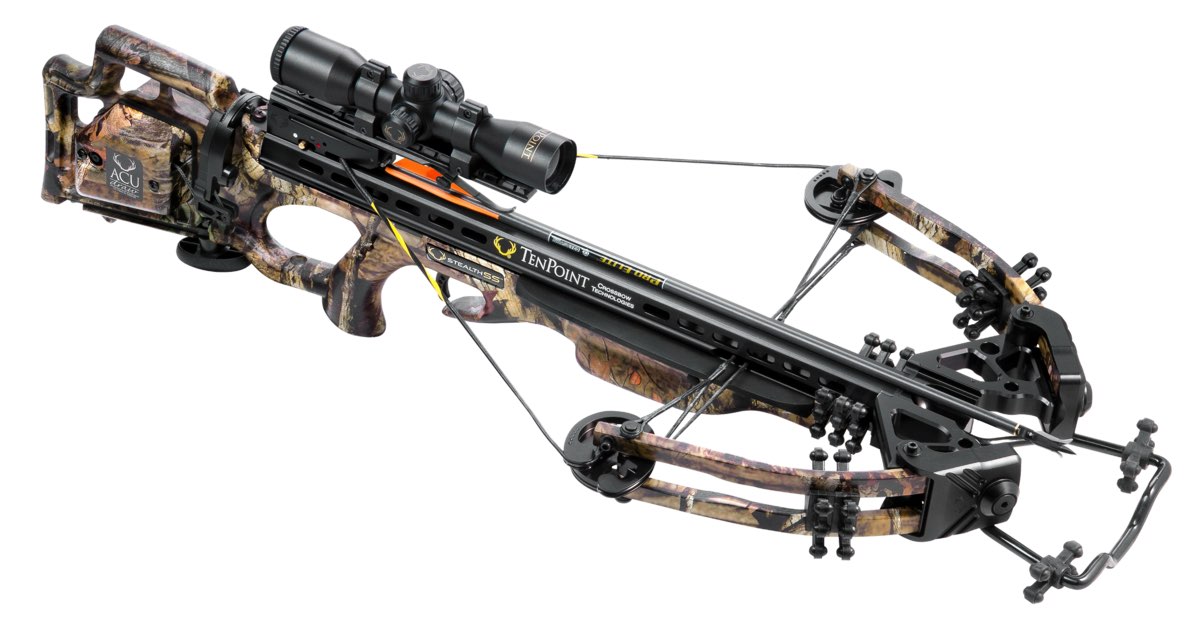
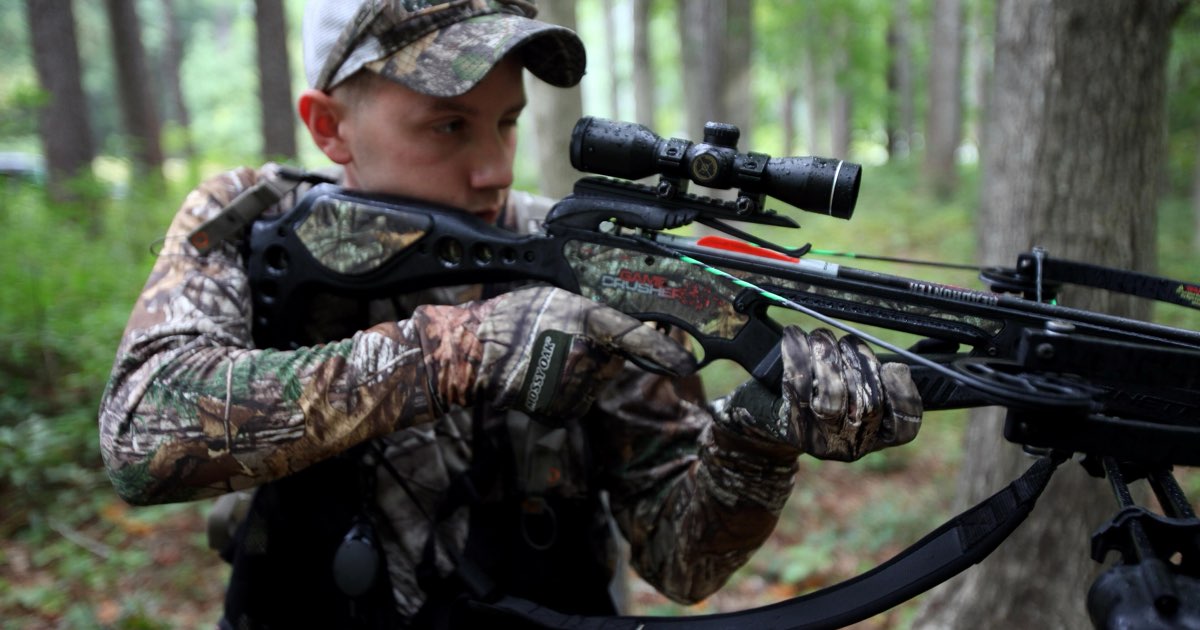
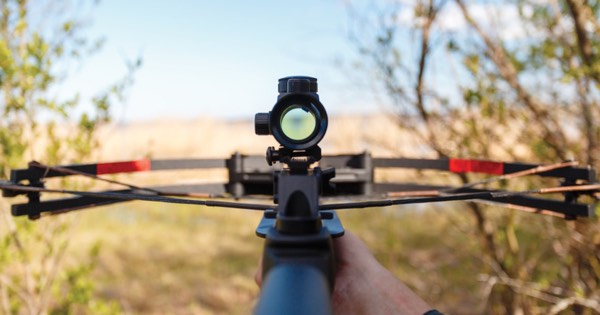
A crossbow mounts short, very stiff limbs across a stock. The string is cocked back onto a trigger mechanism, usually with a rope or crank cocking aid, and stays there until the shot. The shooter aims through a scope from the shoulder, much like a rifle. Modern crossbows are either recurve or compound designs; compound crossbows use cams and are narrower when cocked.
The numbers
| Typical compound bow | Typical crossbow | |
|---|---|---|
| Peak draw weight | About 50 to 70 lb for hunting | About 150 to 200 lb or more |
| Holding weight at aim | Reduced by let-off | None (cocked mechanically) |
| Rated speed | Often up to about 350 fps (IBO) | Often 350 to 450 fps |
| Mass weight | About 3 to 4.5 lb bare | About 6 to 9 lb bare, more with scope |
| Arrow length | Roughly 26 to 31 in | Roughly 16 to 22 in bolts |
| Sighting | Pin sight and peep | Scope |
Examples from our reviews: the 2026 Mathews ARC 30 is rated at 348 fps and weighs 3.99 lb; the CenterPoint Sniper Elite 385 crossbow is rated at 385 fps with a 185 lb draw and weighs about 7.9 lb bare.
Practical differences in the field
Holding and the moment of the shot
This is the biggest difference. A crossbow hunter can hold the aim for as long as needed; a compound hunter must draw at the right moment, often with game nearby, and hold at full draw until the shot. Drawing without being seen is a core bowhunting skill.
Weight and handling
Compound bows are lighter and more compact to carry through cover and up a tree stand. Crossbows are heavier and front-heavy; most hunters shoot them from a rest, shooting sticks or a blind window.
Follow-up shots and noise
A compound can be reloaded and drawn again quickly and quietly. Re-cocking a crossbow with a rope or crank takes time and movement, which usually rules out a quick second shot.
Safety
Crossbows store a great deal of energy, and many crossbow injuries involve fingers or thumbs above the flight rail when the string is released. Crossbows also need to be de-cocked, usually by shooting into a target. Compounds should never be dry-fired, and both require treating a nocked or cocked arrow as loaded.
Accuracy and learning curve
Shooting a crossbow from a rest is similar to shooting a scoped rifle, and new shooters often group well quickly. A compound rewards practice of form, anchor and release, and takes longer to learn. At typical hunting distances both are accurate enough for ethical shots when the shooter has practised.
Regulations
In the United States, crossbow rules range from full inclusion in archery seasons to separate crossbow seasons or permits limited to hunters with qualifying disabilities or of certain ages. One 2026 state guide counts about 30 states that allow all hunters to use crossbows in archery season. Compound bows are legal in archery seasons everywhere archery hunting is permitted, subject to draw weight and equipment rules. Check the current regulations for every hunt.
Target archery and competition
Compound archery has a full international competition calendar and joins the Olympic programme at LA28 as a mixed team event. Crossbow target shooting exists as a separate sport, but most archery clubs and ranges are built around vertical bows.
Crossbow
Advantages
- No holding weight; aim as long as needed
- High speed and energy
- Quick to shoot accurately from a rest
- Accessible to hunters who cannot draw a vertical bow
Trade-offs
- Heavy and bulky to carry
- Slow, noisy re-cocking; little chance of a follow-up shot
- Must be de-cocked safely
- Restricted in some archery seasons
Compound bow
Advantages
- Light and compact to carry and climb with
- Quick, quiet follow-up shots
- Legal in archery seasons everywhere
- Opens the door to target and 3D competition
Trade-offs
- Must be drawn at the moment of the shot
- Takes more practice to shoot consistently
- Physical strength needed for legal draw weights
- Lower top-end speed than many crossbows
You can browse crossbow packages or compound bow packages on Amazon. Check your local regulations before buying.
Frequently asked questions
Is a crossbow easier than a compound bow?
For getting accurate from a rest, usually yes. For carrying, re-cocking and follow-up shots, a compound is easier.
Is a crossbow more powerful?
Crossbows generally shoot faster and carry more energy, but both are capable of ethical kills on deer-sized game with proper arrows, broadheads and shot placement.
How far can you shoot a crossbow or compound?
Most responsible bowhunters limit shots to the distance at which they can group consistently in practice, often 40 yards or less for either.
Do I need different broadheads for a crossbow?
Use broadheads rated for crossbow speeds and your local rules. Our broadhead comparison explains the options.
Sources
- Crossbow or Compound Bow: How Do You Choose? – Realtree
- Are Crossbows Legal in Archery Season? State Guide 2026 – Compound Bow Guide
- State Regulations (crossbow) – National Crossbow Association
- Compound bow – Wikipedia
- Mathews Unveils Flagship Hunting Bow for 2026 — the ARC – Bowhunter
Related articles
 Reviews
CenterPoint Sniper Elite 385 Review: A Budget Crossbow Explained
CenterPoint Sniper Elite 385 review: 385 fps, 185 lb draw, 14-inch power stroke, 4x32 scope package, safety features, set-up, and who it suits.
Updated April 9, 2026 · 7 min read
 Comparisons
Compound vs Recurve Bow: Key Differences Explained
Compound vs recurve bow compared: how each works, let-off and holding weight, aiming systems, competition formats, maintenance, hunting, and which suits you.
February 6, 2025 · 8 min read
 Comparisons
Fixed-Blade vs Mechanical Broadheads: Pros, Cons and Rules
Fixed-blade vs mechanical broadheads compared: flight, tuning, cutting diameter, energy needs, durability, hybrid designs, regulations and which suits your bow.
Updated February 13, 2026 · 6 min read