
Archery With Glasses: Anchor, Peep and Lens Tips
Archery anchor point with glasses: keep your head upright, check string-to-face contact and peep alignment, avoid progressives and see an optometrist.
By Archery Insider Editorial Team
· · 5 min read
In this article
You can shoot well in glasses if your archery anchor point stays the same with the frames on: head upright, string brought to your face, touching the same spot every shot. Then look through the same part of the lens and peep each time. For prescriptions and lenses, see an optometrist or ophthalmologist.
Anchor and head position in frames
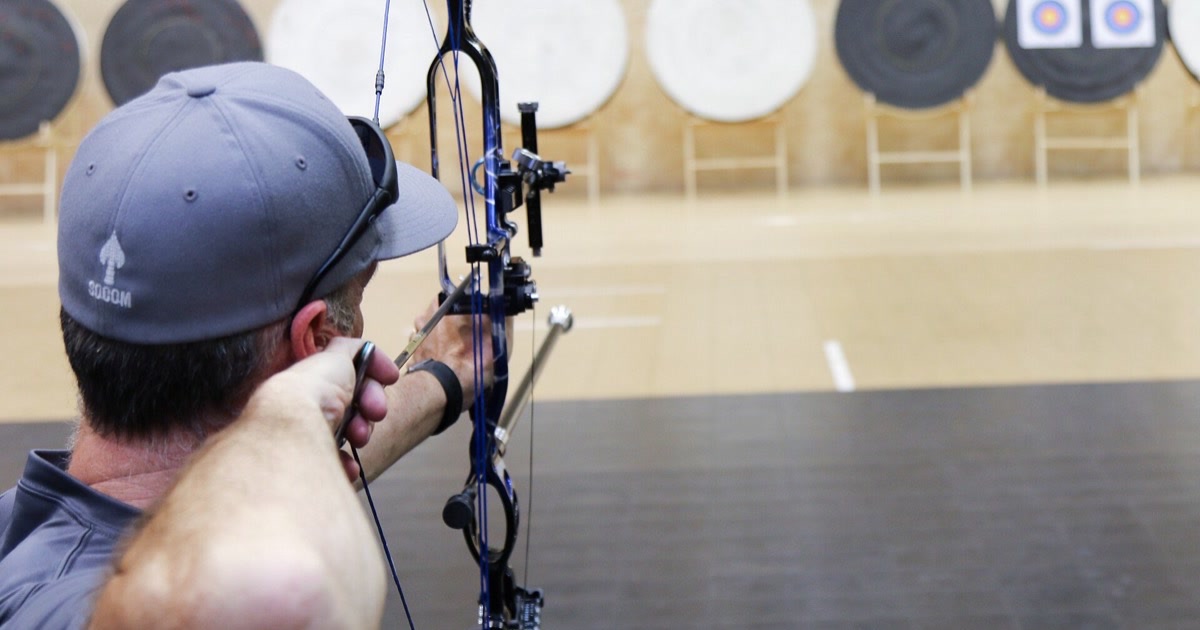
Archery 360's anchor guide says: "Keep your head upright while looking at the target. Bring the bow and the string to your face instead of moving your head to the string." With glasses it matters twice: tilt your head and your eye looks through a different part of the lens, as well as moving your anchor.
The same guide recommends a second contact point: "Touch the tip or side of your nose to the string when you look through your peep at full draw," and adds, "Don't mash your nose." For glasses wearers, check that the string meets your nose or lips, not the frame. If it catches the frame, ask a coach to watch your form from the side.
Peep and lens alignment
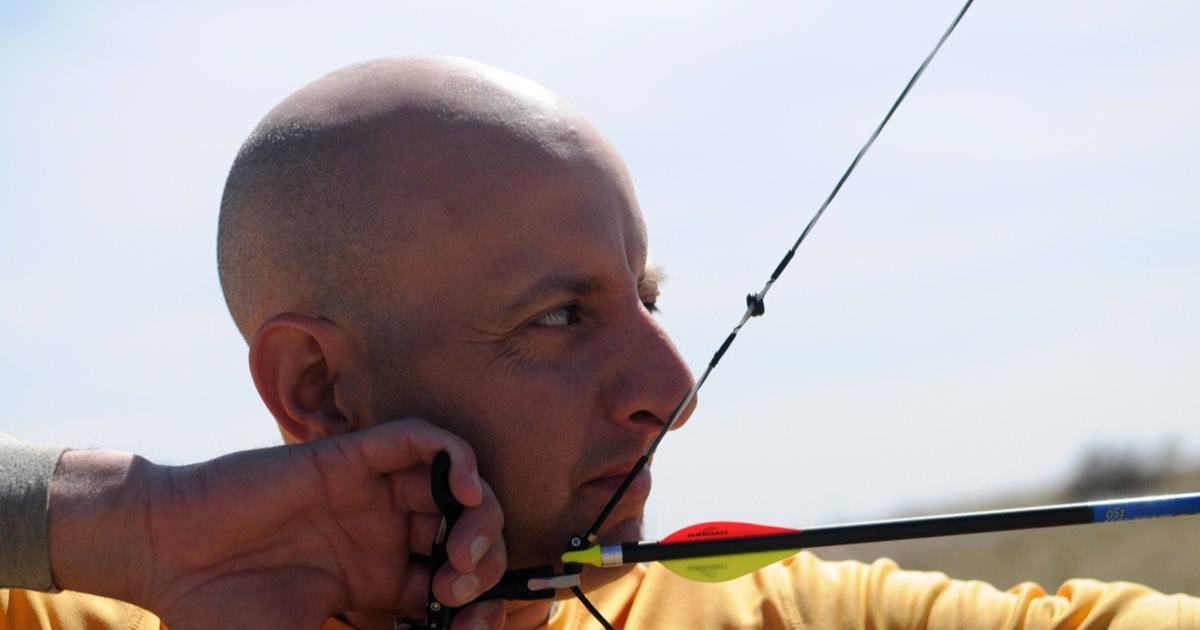
Archery 360 explains that face-to-string contact "ensures you are looking through your peep sight the same way for every shot." If you find the peep only by moving your head, fix the peep height, not your posture; see our guide to installing a peep sight.
Frames matter. Chuck Cooley, described by Archery 360 as "a licensed optician who's shot competitive archery for over 20 years," suggests a "thin metal frame, rimless frame, or no mechanical frame" so the lens can rest close to the nose "for the greatest lateral view." He warns that with polycarbonate lenses "the optics at their edge are bad for archery." Ask your optician before changing lenses.
Bifocals, clarifiers and shooting glasses
On bifocals, Cooley is blunt: "don't shoot with progressive or no-line bifocals. It can be very difficult to be repeatedly accurate." He also suggests "buying a pair of glasses used solely to shoot, especially in competition," and says "Contacts are definitely the preferred solution." That is one optician's opinion: ask your own eye-care professional.
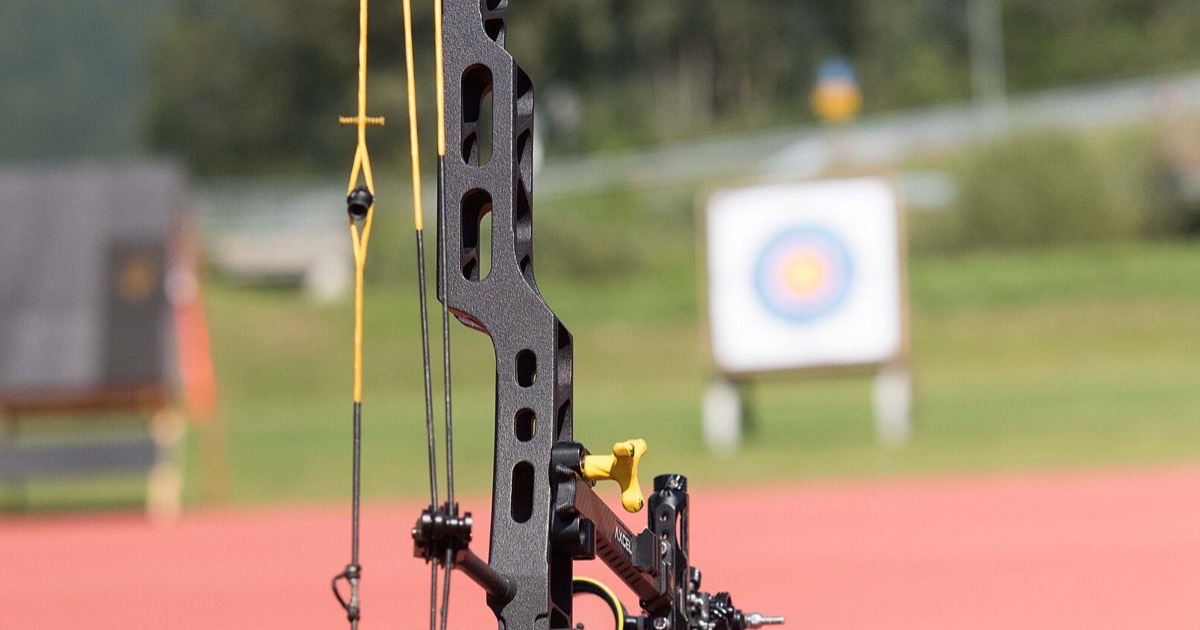
Some compound archers also fit lenses to the peep or sight. The Archery Wire explains that a clarifier in the peep "sharpens the target when a magnified scope lens is used," while a verifier "sharpens the sight pins when no scope lens is present." It warns that someone who wears glasses all the time "might not be able to get a clean sight picture with a clarifier while also wearing glasses," because "Correcting vision through three pieces of glass can be difficult."
| Problem at full draw | What sources suggest | Who to ask |
|---|---|---|
| Looking through the side of the lens | Thin metal or rimless frame; avoid polycarbonate (Cooley) | Optician |
| Progressive or no-line bifocals | Don't shoot in them (Cooley) | Optometrist or ophthalmologist |
| Pins fuzzy, target clear | A verifier may help (Archery Wire) | Pro shop, eye-care professional |
| Clarifier plus glasses won't focus | Three layers of glass can be hard (Archery Wire) | Pro shop, eye-care professional |
| String hits the frame | Head upright, string to face (Archery 360) | Coach |
See an optometrist, and tell them you shoot
Vision changes, multifocal lenses and contacts are questions for an optometrist or ophthalmologist, not a bow shop. Tell them you shoot, at what distance, and which eye you aim with. The American Academy of Ophthalmology notes that with monovision correction, your doctor "needs to know your dominant eye," which is also the eye Archery 360 recommends aiming with. Our guide on how to aim a bow explains why.
For dedicated eyewear, you can browse shooting glasses for archery or archery eye protection on Amazon. Treat listings as examples to consider, not prescription solutions.
Frequently asked questions
Can you shoot a bow with glasses?
Yes. The key is a repeatable anchor: head upright, string brought to your face and touching the same spot each shot, as Archery 360's anchor guide describes. Check the string meets your face rather than your frame. If you struggle to see clearly at full draw, ask an optometrist rather than guessing at lenses.
Can you do archery with bifocals?
Archery 360 quotes optician Chuck Cooley advising against shooting with progressive or no-line bifocals, because "It can be very difficult to be repeatedly accurate." If you wear multifocal lenses, ask your optometrist or ophthalmologist about options for shooting, and tell them the distance you shoot and which eye you aim with.
Do I need a clarifier if I wear glasses?
Not necessarily. The Archery Wire says glasses wearers may struggle to get a clean sight picture through glasses, a clarifier and a scope lens together, and that a verifier can sharpen fuzzy pins while keeping the target clear. Talk to a pro shop about the hardware and your eye-care professional about your prescription.
Related articles
 Training
How to Aim a Bow: Sights, Gap and Instinctive
How to aim a bow: eye dominance, anchor points, sights, gap shooting, string walking, face walking and instinctive aiming, with practice drills for each.
October 7, 2026 · 11 min read
 Training
Archery Form: 11 Steps to a Consistent Shot
Archery form step by step: stance, hook and grip, set-up, draw, anchor, transfer, aiming, release and follow-through, plus common faults and fixes.
Updated March 21, 2025 · 10 min read
 Training
How to Install and Tie In a Peep Sight
How to install a peep sight on a compound bow: why you need a bow press, setting peep height, splitting strands, serving it in and checking alignment.
Updated October 6, 2026 · 5 min read