
Garmin Xero A1i Pro Review: The Auto-Ranging Bow Sight
Garmin bow sight Xero A1i PRO review: how auto-ranging works, what the PRO adds over the A1i, Burris Oracle 2 and pin sight comparisons, and legality.

By Archery Insider Editorial Team
· 12 min read
Research-based: built from maker specs and official sources, fact-checked before publishing. How we review products
In this article
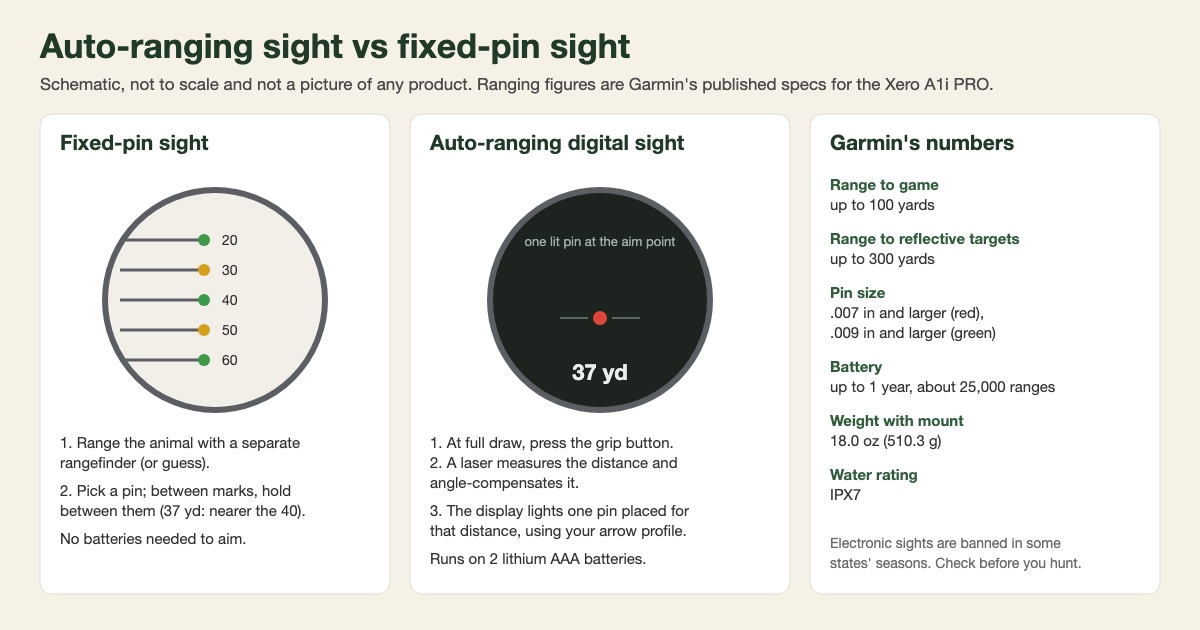
The Garmin Xero A1i PRO is an auto-ranging digital bow sight. You press a small button at full draw, a laser built into the sight measures the distance, and the display lights a single LED pin at the aiming point for that range. If you've searched "garmin bow sight xero a1i", the PRO is the current top model of that family, and its main additions over the plain A1i are micro-adjustable rails, a quick-detach mount and automatic calibration.
Is the Garmin bow sight worth it? For a hunter who misjudges distance or fumbles a handheld rangefinder, it can remove the biggest source of misses. But it's heavy, it depends on batteries, and it's illegal for hunting in some states. This review explains how it works, how it compares with the A1i, the Burris Oracle 2 and an ordinary pin sight, and who should buy one.
The short version
These are Garmin's published specifications for the Xero A1i PRO.
| Spec | Garmin's figure |
|---|---|
| Ranging distance | 100 yards to game; 300 yards to reflective targets |
| Pin colours | 2 (red and green) |
| Pin diameter | .007 in and larger for red, .009 in and larger for green |
| Weight | 18.0 oz (510.3 g), including device and mount |
| Dimensions | 9.2 x 5.0 x 3.7 in, including device and mount |
| Water rating | IPX7 |
| Display | Sunlight-visible, transflective memory-in-pixel, 2.0 in diagonal |
| Battery | 2 lithium AAA (included); up to 1 year |
| Operating range | -4°F to 140°F with lithium AAA batteries |
| Laser | Class 1; "no visible light is ever projected toward the target" |
| Hand | Right- or left-handed versions |
In the box, Garmin lists the sight, a mount (the Hoyt version adds a Picatinny mount), a protective bag, two lithium AAA batteries, three Allen keys, two screws, grip tape, a micro-USB cable and documentation. Garmin says the Hoyt version is sold only through Hoyt.com or a Hoyt dealer.
How the Xero A1i PRO works
A conventional pin sight gives you fixed reference points and leaves the distance to you. The Xero turns that around: the sight measures the distance and draws the pin.
Setting up. Garmin's description says: "Calibrate your 20-yard pin, enter your bow speed, draw length and arrow diameter and Xero A1i PRO will automatically create a pin stack to your bow's estimated maximum distance." In other words, you sight in once at 20 yards and the sight calculates the rest from your set-up. As with any calculated pin, it's wise to shoot the longer distances to confirm before you hunt.
Ranging. A pressure button mounts on the grip "in the most convenient spot for your grip". Garmin says that "with minimal movement, at rest or full draw, you can range up to 100 yards on game or up to 300 yards on reflective targets." The sight then shows an angle-compensated distance and lights one pin for it.
Features Garmin lists for the PRO:
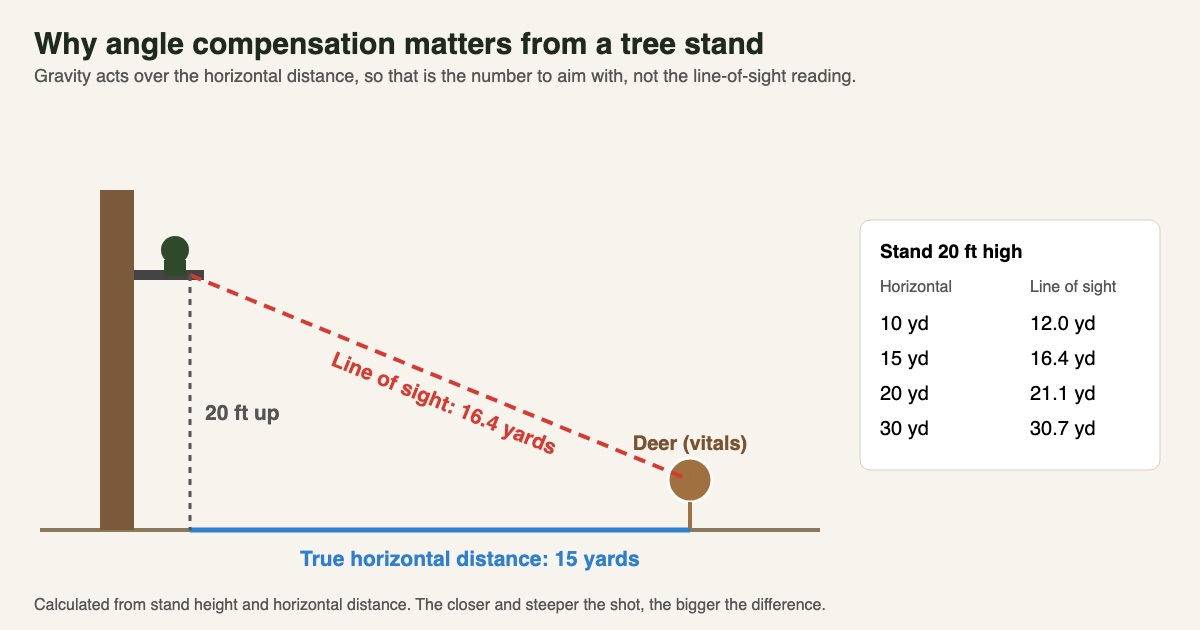
- Angle-compensated distance, so a steep shot from a tree stand is aimed for the true horizontal distance rather than the line of sight.
- Customisable fixed pins in alternating colours, so you can use it like a multi-pin sight when you don't want to range.
- Multiple arrow profiles, which store settings for different arrows, such as practice and hunting set-ups.
- Dynamic level, which shows level information beside the pin with sensitivity that varies with shot distance.
- Flight pin, "a flashing pin above the aiming point that shows the estimated apex of your arrow's flight", useful for checking clearance under branches.
- Xtra Distance (XD) mode, which lets you set the sight in an extended position to show pins out to farther distances.
- Laser Locate, which pairs with a compatible Garmin GPS device (sold separately) to mark where the target was when you ranged or shot.
- Silent button trigger, shot counter and auto brightness, with pin brightness controlled by an ambient light sensor or by hand.
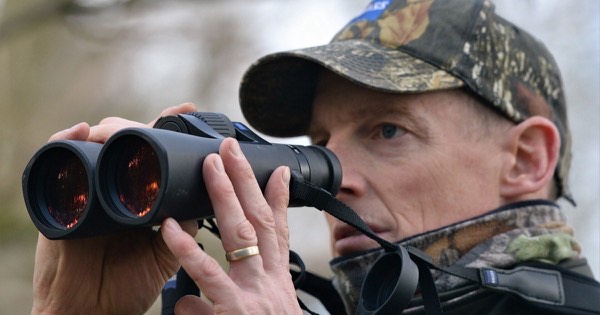
If you've used a separate rangefinder, the logic is the same as in our guide to choosing a bowhunting rangefinder; the Xero just puts the laser on the bow and the answer in the sight picture.
What the PRO adds over the A1i and A1
Garmin's own product page compares the three Xero models. This table uses only Garmin's spec tables.
| Feature | Xero A1 | Xero A1i | Xero A1i PRO |
|---|---|---|---|
| Ranging distance | 100 yd game; 300 yd reflective | 100 yd game; 300 yd reflective | 100 yd game; 300 yd reflective |
| Pin colours | 1 (red) | 2 (red and green) | 2 (red and green) |
| Pin diameter | .007 in and larger | .007 in red; .009 in green | .007 in red; .009 in green |
| Multiple arrow profiles | No | Yes | Yes |
| Laser Locate and GPS compatibility | No | Yes | Yes |
| Electronic level | No | Yes | Yes |
| Micro-adjustable rails | No | No | Yes |
| Quick-detach feature | No | No | Yes |
| Auto calibration | No | No | Yes |
| Dynamic level, flight pin, XD mode | No | No | Yes |
| Weight listed | 14.7 oz | 14.7 oz | 18.0 oz including mount |
| Batteries in the box | Not included | Not included | 2 lithium AAA included |
Two cautions, plus a note: the A1's "No" for an electronic level follows Garmin's spec list, but the A1/A1i owner's manual says both models contain "a built-in digital level and a clearly visible bubble level". First, Garmin notes that the PRO's 18.0 oz includes the device and mount, while the A1 and A1i figures carry no such note, so the weights may not be measured the same way. Second, model line-ups change; confirm on Garmin's page that the model you're buying is current.
In plain terms, the A1i is the version for most hunters who want ranging with two pin colours and stored arrow profiles. The PRO suits someone who will fine-tune elevation, windage and laser alignment often, travels with the bow (the quick-detach mount "reattach[es] it to its original position in seconds", Garmin says), or wants the flight pin and dynamic level. Garmin describes the rails as letting you make "quick, precise changes for elevation, windage and laser reticle alignment."
Garmin Xero A1i PRO vs Burris Oracle 2
The Burris Oracle 2 is the other widely sold rangefinding bow sight. Both makers publish specs, and they differ in useful ways.
| Garmin Xero A1i PRO | Burris Oracle 2 | |
|---|---|---|
| Range to game | 100 yards | 200 yards ("Laser to Deer") |
| Range to reflective target | 300 yards | 500 yards |
| Weight | 18.0 oz with mount | 20 oz |
| Battery | 2 lithium AAA; up to 1 year | CR123; product page "2,000+"; user guide "approximately 1,000-2,000 cycles" |
| Sighting in | 20-yard pin plus bow speed, draw length and arrow diameter | 20 yards plus two farther distances; up to 2 more optional |
| Backup when ranging fails | Customisable fixed pins | 20-yard fixed pin "(failsafe)" and default dots in 10-yard steps |
| Lens | Glass with coated surfaces | "No Glass to Scratch, Fog, Glare or Break" |
| Adjustments | Micro-adjustable rails | Locking micro adjustment knobs; 2nd and 3rd axis |
| Hand | Separate right- and left-hand versions | One sight flips to suit either hand |
Burris's user guide says that once ranged, the yardage stays on screen for 10 seconds and the aiming dot for 90 seconds, and that "most bow setups will be able to achieve 80-110 yards" of aiming dots depending on bow speed and arrow weight. Burris also offers what it calls a "Forever Warranty".
Which is better depends on what you value. On paper, the Oracle 2 ranges farther and adapts to either hand; the Garmin is lighter by Burris's and Garmin's own numbers and quotes a longer battery life. Both makers' figures are their own, not independent tests.
Garmin Xero vs a conventional pin sight
Most bowhunters still use a fixed multi-pin or single-pin slider sight. Here's how the Xero compares in principle.
| Garmin Xero A1i PRO | Fixed multi-pin sight | |
|---|---|---|
| Distance | Measured at full draw by the sight | You range separately or estimate |
| Aiming between marks | One pin placed for the exact distance | Hold between pins (gap) |
| Power | Batteries required | None for aiming; some have a battery light |
| Weight | 18.0 oz with mount (Garmin) | Usually lighter |
| Legal everywhere? | No: electronic devices are banned on bows in some states | Generally yes, though lighted pins have their own rules |
| Learning curve | Menus, profiles and calibration | Sight in each pin and go |

A conventional sight does nothing clever, which is also its strength: no batteries, no menus, and no regulation questions about electronics. Our single-pin vs multi-pin comparison explains those two styles, and our Trophy Ridge React Pro review covers a fixed-pin sight that sets its longer pins from two distances. If you use a slider, a printed sight tape does a similar job to the Xero's calculated pin stack, without the laser.
Is the Garmin Xero legal where you hunt?
This is the question to answer before you spend the money. Some states allow electronic sights in archery seasons, and some ban any electronic device on the bow.
- Washington is an example of a ban. Its archery rule says "It is unlawful to have any electrical equipment or electric device(s), except for illuminated nocks, attached to the bow or arrow while hunting."
- Burris says the same about its own product. The Oracle 2 user guide warns: "The Oracle Bowsight is not legal to hunt big game in some states. Please check your local regulations."
- Record books are separate from the law. Pope and Young's fair chase rules exclude animals taken "by the use of a bow or arrow to which any electronic device is attached," except lighted nocks and recording devices that "do not aid in rangefinding, sighting or shooting the bow." A sight can be legal and still make an animal ineligible for that record book.
Rules checked on 9 October 2026; this isn't legal advice and regulations change, so confirm with your state wildlife agency before you hunt. Our separate guide to electronic bow sight rules quotes more states' wording, and our article on lighted bow sights covers sight lights.
Who the Xero A1i PRO suits
- Bowhunters who misjudge distance or lose shots to the movement of a handheld rangefinder.
- Tree-stand hunters who want angle compensation built into the aiming point.
- Western and spot-and-stalk hunters in states that allow electronic sights, who shoot at varied, longer distances.
- Archers who travel with a bow and want the quick-detach mount to return to zero.
Who should look elsewhere
- Anyone hunting in a state that bans electronics on the bow, or who wants animals eligible for Pope and Young.
- Archers who want a light bow. At 18.0 oz with its mount, the PRO adds noticeable weight to the front of a hunting rig.
- Hunters who prefer simplicity. A fixed-pin sight has no batteries, menus or profiles to manage.
- A1i owners who rarely adjust their sight. The PRO's additions are about set-up and fine-tuning, not ranging distance, which is the same on both.
Before you buy: a quick checklist
- Read your state's archery equipment rule for every season you hunt, including any general or muzzleloader seasons you might carry a bow in.
- Check the hand. Garmin sells separate right- and left-handed versions.
- Check your mount. Hoyt owners can choose the Hoyt version with a Picatinny mount; everyone else gets the standard mount.
- Know your numbers. Set-up asks for bow speed, draw length and arrow diameter, so chronograph your hunting arrow at a shop if you can.
- Plan for weight. Add 18.0 oz to your current bow weight and decide whether you'll rebalance with a stabiliser.
Garmin Xero A1i PRO
Advantages
- Ranges at full draw and lights one pin for the exact distance
- Angle-compensated distance for tree-stand and steep shots
- Micro-adjustable rails and auto calibration simplify set-up
- Quick-detach mount and multiple arrow profiles
- Up to a year of battery life on 2 lithium AAA batteries (Garmin)
Trade-offs
- 18.0 oz with mount is heavy for a sight
- Electronic sights are illegal for hunting in some states
- Animals taken with it aren't eligible for Pope and Young
- Shorter laser range on game than Burris quotes for the Oracle 2
- Needs batteries; Garmin rates operation down to -4°F
If it fits your rules and your bow, you can see Garmin Xero A1i PRO listings on Amazon or compare Burris Oracle 2 listings. Check the hand (right or left) and the model name in the listing, and remember the Hoyt version is sold only through Hoyt and its dealers.
Frequently asked questions
Is the Garmin bow sight worth it?
It can be, if electronic sights are legal where you hunt and misjudged distance is your main problem. It ranges at full draw out to 100 yards on game and shows one angle-compensated pin. If you rarely shoot past 40 yards, range easily with a handheld unit, or want a lighter bow, a conventional pin sight is simpler.
What's the difference between the Xero A1i and the A1i PRO?
Garmin lists the same ranging distance and pin options for both. The PRO adds micro-adjustable rails, a quick-detach feature, auto calibration, a dynamic level, a flight pin and Xtra Distance mode, and includes two lithium AAA batteries. Garmin lists it at 18.0 oz including the mount, against 14.7 oz for the A1i.
How far can the Xero bow sight range?
Garmin's figure for the A1i PRO is 100 yards to game and 300 yards to reflective targets, with angle compensation. How far you can actually aim depends on your bow's speed and arrow, because the sight builds its pin stack to your set-up's "estimated maximum distance", in Garmin's words.
Is the Garmin Xero legal in every state?
No. Some states ban electronic devices attached to a bow while hunting; Washington's rule allows only illuminated nocks. Others permit rangefinding sights. Read your state's current archery equipment rules or ask the agency, because these rules change from season to season and can differ between hunts.
Does the Xero sight work in low light and cold?
Garmin says pin brightness is "ambient light sensor controlled or manual", so the pin can be dimmed for dawn and dusk. It rates the operating range at -4°F to 140°F with two lithium AAA batteries. Carry spare lithium AAAs on late-season hunts and check your state's rules on lighted sights.
Related articles
 Gear
How to Choose a Rangefinder for Bowhunting
How to choose a bowhunting rangefinder: angle compensation, bow modes, scan and target priority, display, magnification, bow-mounted units and field use.
October 11, 2026 · 9 min read
 Comparisons
Single-Pin vs Multi-Pin Bow Sights: Which Should You Choose?
Single-pin vs multi-pin bow sights compared: fixed pins vs sliders, speed in the field, long-range precision, low light, gap shooting, hybrids and scopes.
February 25, 2026 · 5 min read
 Reviews
Trophy Ridge React Pro Review: The 5-Pin Sight That Sets Its Own Pins
Trophy Ridge React Pro bow sight review: React Technology pin setting, .019 and .010 pins, tool-less micro-click adjustments, third axis and who it suits.
September 3, 2025 · 6 min read