
Left vs Right Helical Fletching: Does It Matter?
Left vs right helical fletching explained: left-wing and right-wing feathers, matching your fletching jig clamp, and why consistency matters most.
By Archery Insider Editorial Team
· 5 min read
In this article
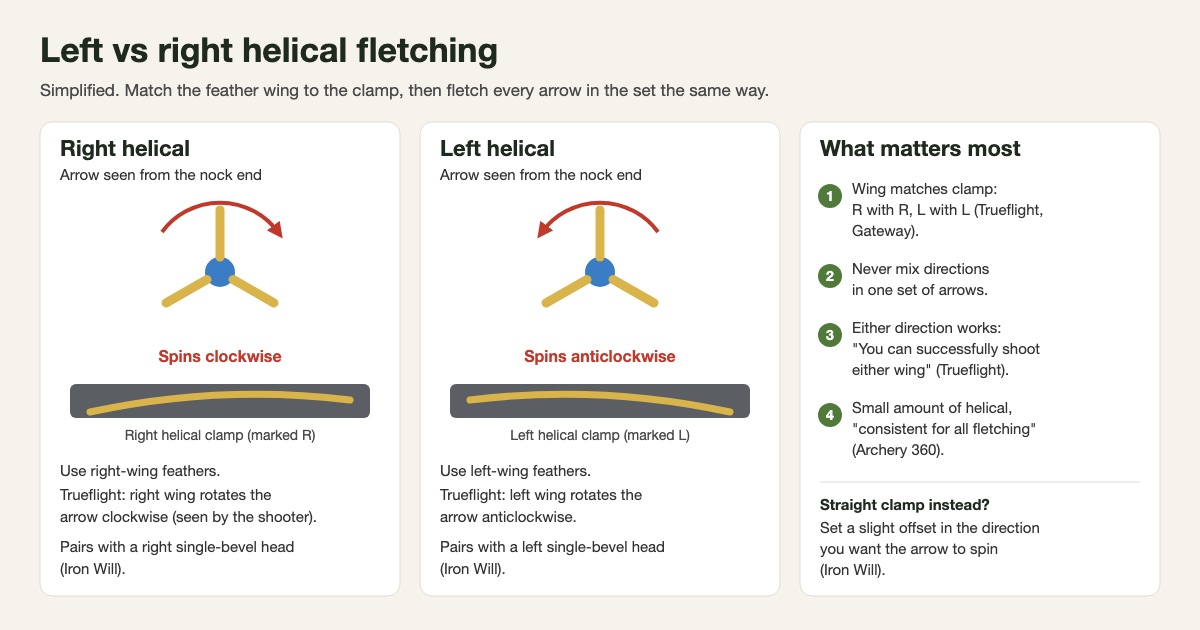
For most archers, left vs right helical fletching makes little difference: both spin the arrow, just in opposite directions. What matters is that the feathers match your jig clamp and every arrow in the set is fletched the same way. Trueflight, a feather maker, puts it plainly: "You can successfully shoot either wing."
Straight, offset and helical
Straight fletching runs parallel to the shaft. Offset is a straight clamp set at a slight angle. Helical fletching curves around the shaft and gives the most spin. Bitzenburger, the jig maker, sells its die-cast clamps in exactly these terms: a straight clamp, a right clamp "for true right helical fletching" and a left clamp for true left helical. Its helical clamps "are ground with a radius" to put that curve into the feather.
Why spin? "Without enough helical, the arrow won't spin and therefore will not stabilize," says Archery 360, but too much risks "a corkscrew trajectory" and "too much drag." Trueflight "strongly recommend[s] offset or helical fletching on all arrows," and calls helical "the first choice for any arrow tipped with a broadhead."
How much? Trueflight says a 1/16 inch offset over a 5 inch feather, about ¾ of a degree, "works well for most offset or helical fletched arrows." Iron Will calls 2.5 to 3 degrees "ideal" for its broadheads.
Left-wing vs right-wing feathers
A turkey feather has a natural curve, and that curve depends on which wing it grew on. Trueflight says left-wing feathers "should be used to rotate the arrow counter clockwise, right wing clockwise (as viewed by the shooter)."
To tell them apart, Trueflight suggests looking at a fletched arrow from the nock end with one feather on top: if the "catch lip" is left of the web, it is a right-wing feather. Packs are often labelled RW or LW.
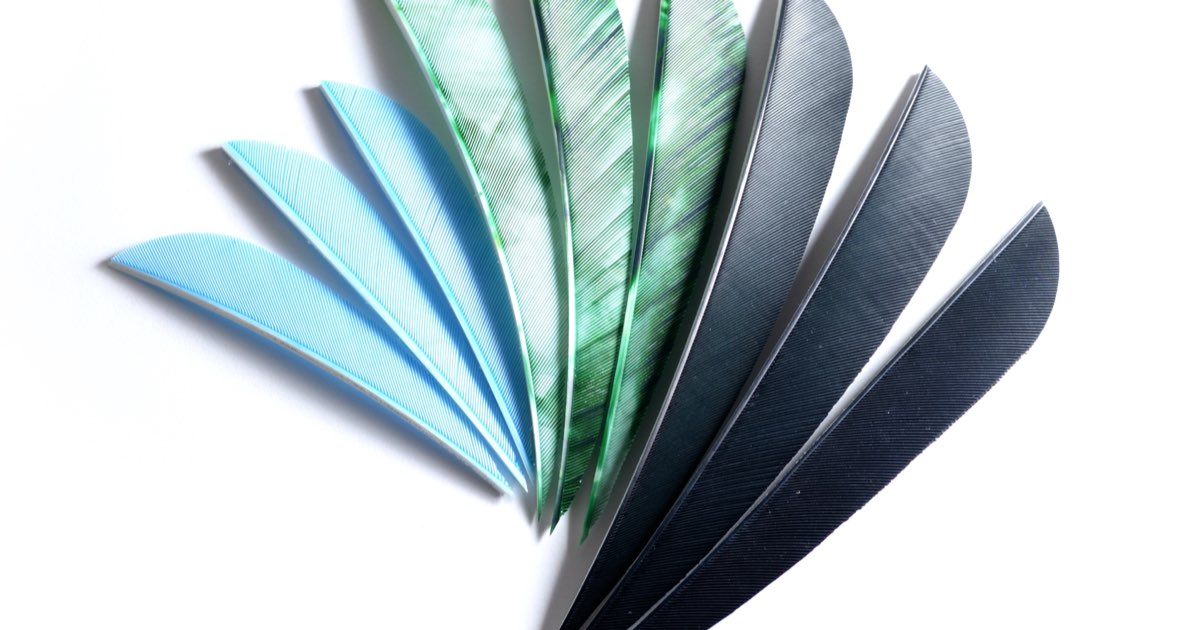
Gateway Feathers adds two practical points. Right-wing feathers let you "easily run a straight edge down the quill" when pressing them onto the shaft. And longbow shooters "who shoot without a shelf or with a very small shelf want to use left wing feathers fletched helically." That is Gateway's advice, not a rule.
Vanes have no wing, so the clamp alone sets their direction.
Does direction matter?
Mostly not. The idea that right-handed archers need right-wing feathers isn't backed by the feather makers we read. Asked that question, Trueflight replies: "You can successfully shoot either wing. An arrow does not rotate noticeably until it is well clear of the bow." Gateway says "which wing you use doesn't matter," and Archery 360 recommends a small amount of helical, "either left or right, but consistent for all fletching."
Direction does matter in one case. Iron Will says right fletch "requires a Single Bevel RIGHT broadhead" and left fletch a left one. Our single-bevel broadheads guide explains that pairing, so check it before you order heads.
Choosing a jig clamp
Gateway's rule is simple: if the clamp has an L on it, use left-wing feathers; if it has an R, use right-wing.
| Clamp | Feathers | Spin, seen from behind | Notes |
|---|---|---|---|
| Right helical | Right wing | Clockwise | Pairs with right single-bevel heads (Iron Will) |
| Left helical | Left wing | Anticlockwise | Gateway's suggestion for shelfless longbows |
| Straight, set with offset | Vanes, or feathers set at a slight angle | Follows the offset | Iron Will: fletch "in the direction you want your arrows to spin" |
| Straight, no offset | Vanes or feathers | Minimal | Iron Will doesn't recommend it with fixed-blade heads |
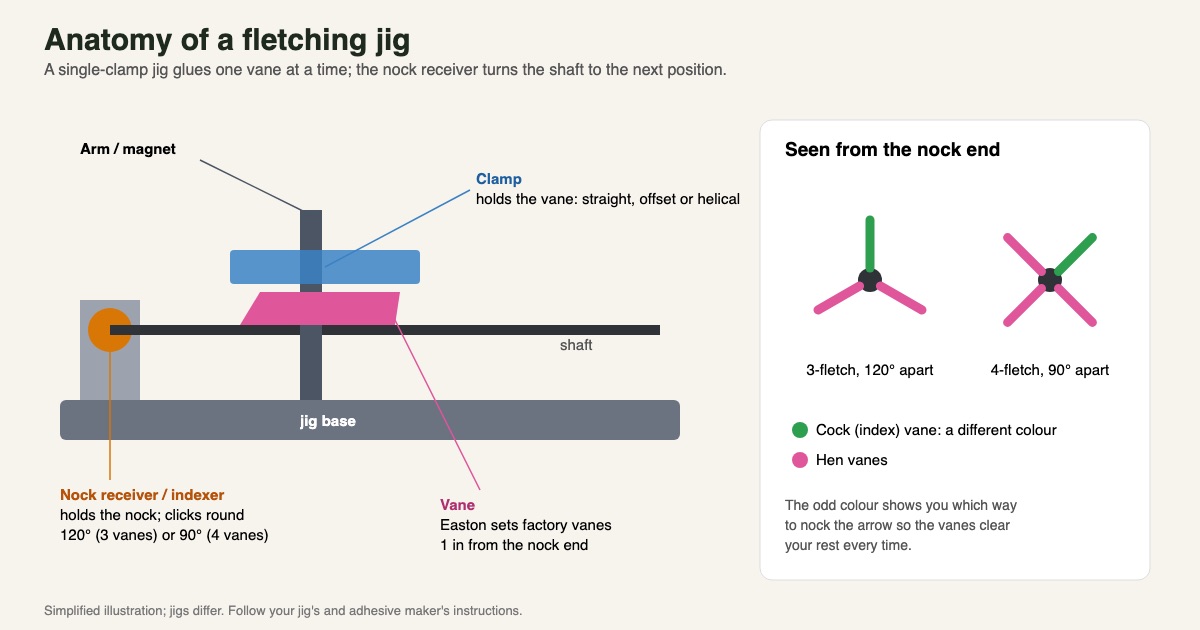
Already own a jig? Buy feathers to match its clamp. Our Bohning Tower Jig review shows how one tower jig sets straight, offset and right helical arms, and our feathers vs vanes comparison covers which material suits your rest.
To compare examples to consider, you can browse helical fletching jigs on Amazon or search Bohning fletching jigs, such as the Bohning Pro Class. Check which clamp is included and buy feathers labelled for that wing.
Frequently asked questions
Should I buy a right or left helical fletching jig?
Either works. Trueflight says you can successfully shoot either wing, and Archery 360 only asks that you stay consistent. Let your existing feathers or your single-bevel broadheads decide. Otherwise, pick one direction, buy the matching clamp and feathers, and keep every arrow the same.
Can I use right-wing feathers in a left helical clamp?
The feather makers say no. Trueflight's guide answers "RIGHT wing for a RIGHT helical clamp. LEFT wing for a LEFT helical clamp," and Gateway says the same about clamps marked L or R. Order feathers by wing to match the clamp you have rather than forcing a mismatched feather into the curve.
Does more helical slow the arrow down?
It adds drag. Archery 360 warns that too much helical can cause a corkscrew trajectory and extra drag, while too little leaves the arrow unstable. Most guidance suggests a small, consistent amount, with more spin for broadhead arrows that need extra stability.
Related articles
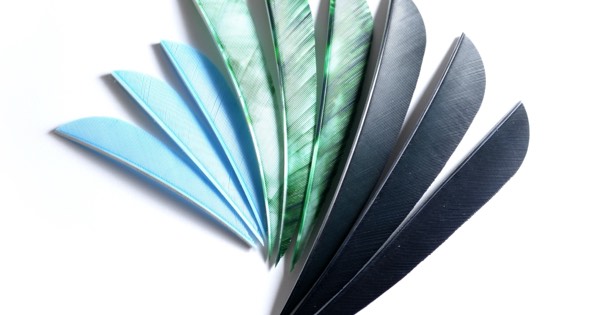 Comparisons
Feathers vs Vanes: Which Arrow Fletching Should You Use?
Feathers vs vanes compared: weight, forgiveness off the shelf, speed, drag, weather, durability, noise, rests, broadheads and which fletching suits your bow.
Updated September 30, 2026 · 5 min read
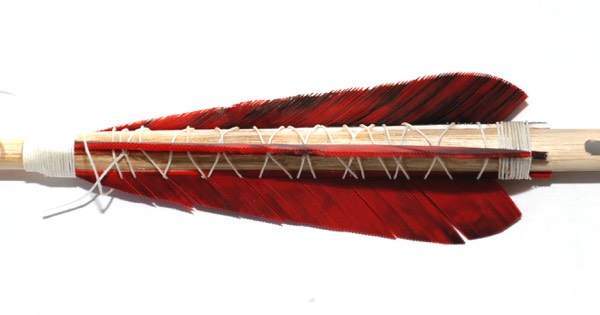 Reviews
Bohning Tower Jig Review: Fletch Three Vanes at Once
Bohning Tower Jig review: fletching three vanes at 120 degrees, straight, offset and helical arms, clamps and centring pins, shaft sizes, and how to use it.
June 4, 2025 · 6 min read
 Gear
GearSingle-Bevel Broadheads Explained
Single bevel broadheads explained: what the one-sided edge does, what Ashby and makers claim about rotation, left vs right bevel, fletching and sharpening.
November 13, 2025 · 5 min read