
Bodkin Points vs Broadheads: Arrowheads Explained
Broadhead vs bodkin: what medieval bodkin points were for, the armour-piercing debate, how broadheads differ, and why hunting rules are written for broadheads.
By Archery Insider Editorial Team
· 5 min read
In this article
A bodkin is a slim, tapering medieval arrowhead made for war; a broadhead is a wide, bladed head made to cut. In the broadhead vs bodkin question, the Royal Armouries sums up the old split: the bodkin "was intended purely for military use," while broadheads "were particularly used for the hunt." Today, hunting rules are written around broadheads, and a narrow bodkin won't meet them.
Bodkins: the military point
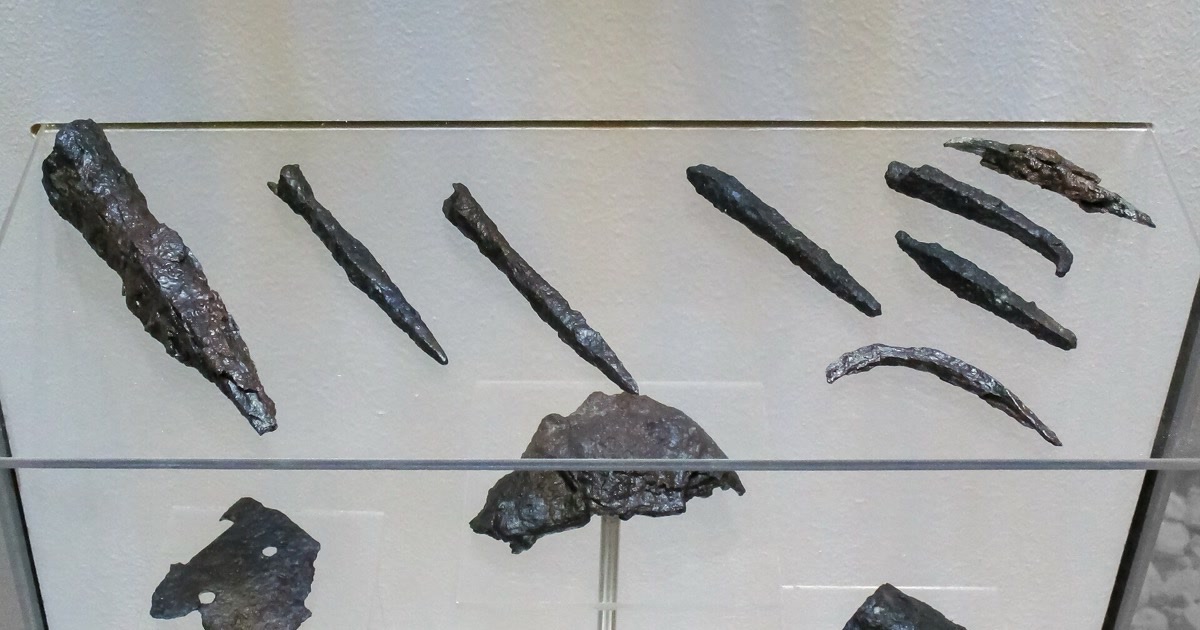
A bodkin head is long and narrow, with no wide blades. The Royal Armouries' history of the Hundred Years' War describes "the long, thin-pointed bodkin head" as being for use "against lightly or non-armoured foes." Military arrows, it says, were issued in sheaves of 24 and fletched with goose feathers.
Starley and Cubitt's paper in Historical Metallurgy (2014) explains how a bodkin works against mail. Citing Strickland and Hardy, they write that "it is the broadening sides of military bodkins that break mail links once the slender points have found the holes." The Royal Armouries agrees that mail "was less effective against piercing and percussive blows, such as those from arrows and maces."
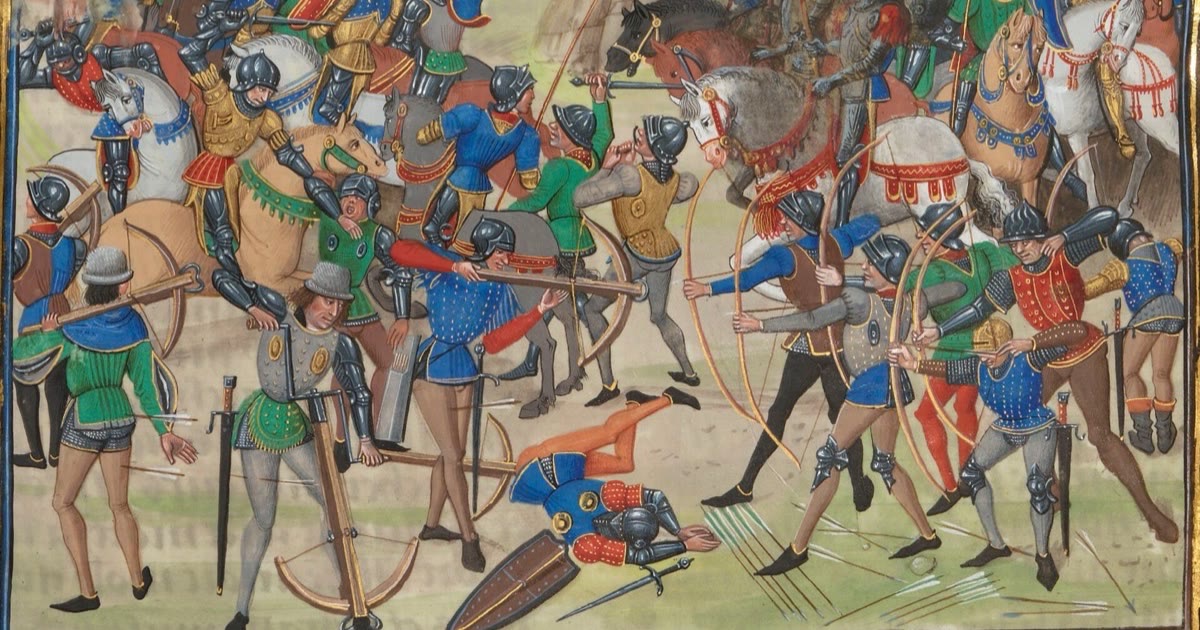
The Mary Rose Trust says 172 longbows and over 2,000 complete arrows were found on board the Tudor warship. For how a modern longbow compares, see our longbow vs recurve comparison.
The armour-piercing debate
You will often read that bodkins punched through plate armour. The evidence is thinner.
- Typologies have limits. The London Museum (1940) and Jessop (1996) classifications "rely on small numbers of soundly provenanced artefacts," according to Starley and Cubitt.
- A famous test needed modern steel. Peter Jones's 1983 experiment reported bodkins penetrating plate. But the archer involved recalls that the original heads "curled up like a pig's tail" until they were replaced with heads made from modern file steel.
- The metal was soft. In an earlier review of 30 arrowheads, the bodkins were not hardened, "reinforcing their intended role in piercing mail rather than plate armour." Bodkins from Holm Hill, possibly linked to the battle of Tewkesbury (1471), were also soft.
The researchers suggest a compact winged type with quenched steel tips was the answer to rising armour, yet say even its effect on plate "might still be limited." Treat any confident "bodkins beat plate" claim with caution.
Medieval broadheads: built for the hunt
Medieval broadheads were wide, with long barbs. Starley and Cubitt say broadheads "were intended to cause incapacitating damage to large animals, whether during the hunt or against horses on the battlefield." Citing Jessop, they add that "the characteristic long barbs, and the large wounds they create, are key to the function of broadheads."
| Bodkin | Medieval broadhead | Modern broadhead | |
|---|---|---|---|
| Shape | Long, slim, tapering point | Wide blades with long barbs | Two or more sharpened blades, fixed or mechanical |
| Main job | War, against mail (Starley and Cubitt) | Hunting and horses (Royal Armouries) | Hunting |
| Hunting big game today | Unlikely to meet width rules such as Maine's | Barbs fail rules such as Alaska's | Designed to meet them; check your state |
Modern broadheads and hunting rules
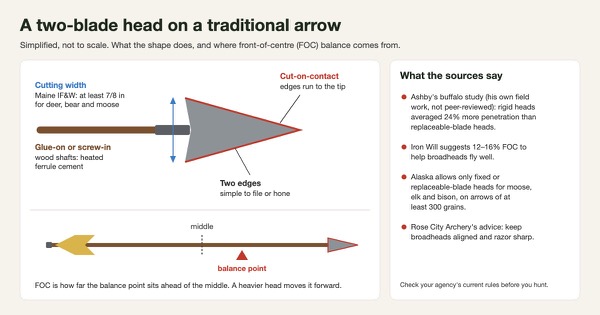
Modern heads keep the medieval broadhead's job. Our fixed-blade vs mechanical broadheads comparison covers today's main designs, and our guide to broadheads for traditional bows explains why two-blade heads suit a longbow.
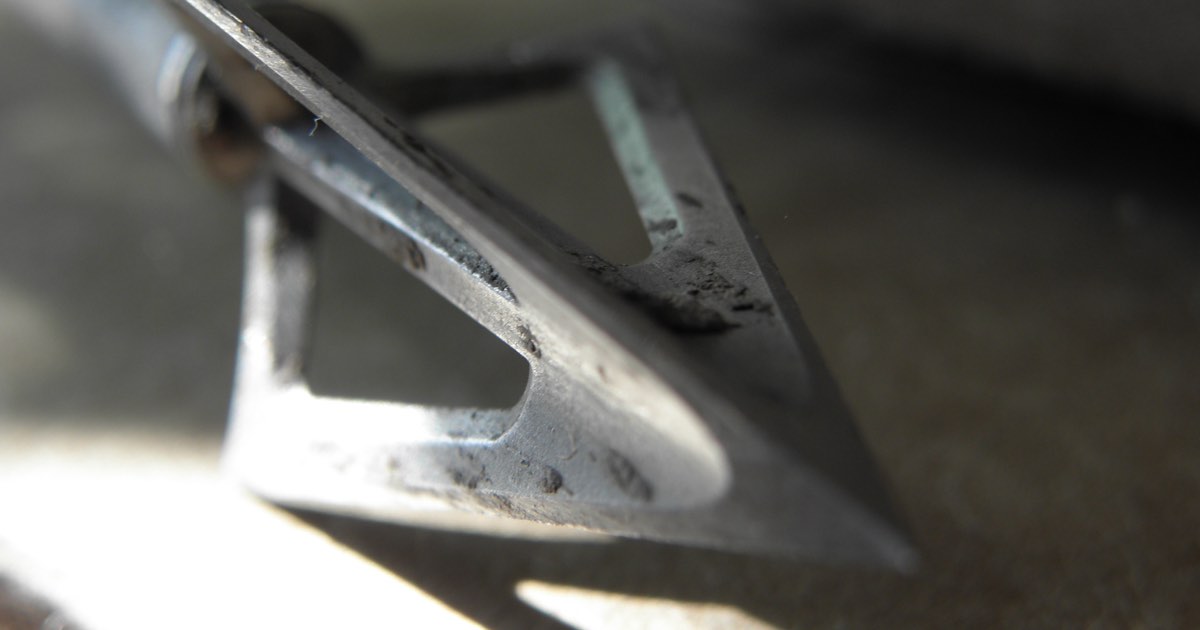
Rules vary by state; here are two we read. Maine's equipment laws say: "For hunting deer, bear, and moose, arrowheads, including mechanical broadheads when open, must be at least 7/8 inch wide." Alaska's 5 AAC 92.085 requires a big-game arrow "tipped with a broadhead" and says the broadhead must be "not barbed." A slender bodkin is generally far narrower than 7/8 inch, and a barbed medieval-style reproduction would break Alaska's rule. Check your own state's regulations before you hunt.
If you want reproduction heads for target or re-enactment shooting, you can browse bodkin arrowheads on Amazon or search medieval arrowhead reproductions. Check that the fitting suits your shafts.
Frequently asked questions
Were bodkin arrows armour piercing?
Against mail, probably: Starley and Cubitt say bodkins were designed to penetrate it. Against plate, the case is weak. Bodkins they reviewed were not hardened, and a well-known experiment only pierced plate after switching to heads made from modern file steel.
Can you hunt deer with a bodkin point?
Generally not legally. Big-game rules expect a broadhead. Maine requires arrowheads at least 7/8 inch wide for deer, bear and moose, and Alaska requires a broadhead for big game. A slim bodkin won't meet width rules like these. Check your own state's regulations, and hunt with a sharp, legal broadhead.
Why did medieval broadheads have barbs?
According to Jessop, cited by Starley and Cubitt, the long barbs and the large wounds they made were key to a broadhead's function on large animals. Some states now ban barbs on hunting heads: Alaska's big-game rule says a broadhead must be "not barbed."
Related articles
 Comparisons
Fixed-Blade vs Mechanical Broadheads: Pros, Cons and Rules
Fixed-blade vs mechanical broadheads compared: flight, tuning, cutting diameter, energy needs, durability, hybrid designs, regulations and which suits your bow.
Updated February 13, 2026 · 6 min read
 Gear
GearBroadheads for Traditional Bows: What Works
Traditional bow broadheads: why two-blade cut-on-contact heads suit recurves and longbows, plus head weight, FOC, sharpening, mechanicals and legal minimums.
Updated October 6, 2026 · 5 min read
 Comparisons
Longbow vs Recurve Bow: Differences for Traditional Archers
Longbow vs recurve compared: limb shape, draw feel, hand shock, speed, length, accessories, competition rules, hunting and which traditional bow suits you.
Updated September 30, 2026 · 6 min read