
Bowhunting vs Rifle Hunting: Which Should You Choose?
Bowhunting vs rifle hunting compared: how each kills, effective range, seasons, skill and practice, scouting, safety, cost of entry and which suits you.

By Archery Insider Editorial Team
· 9 min read
Research-based: built from maker specs and official sources, fact-checked before publishing. How we review products
In this article
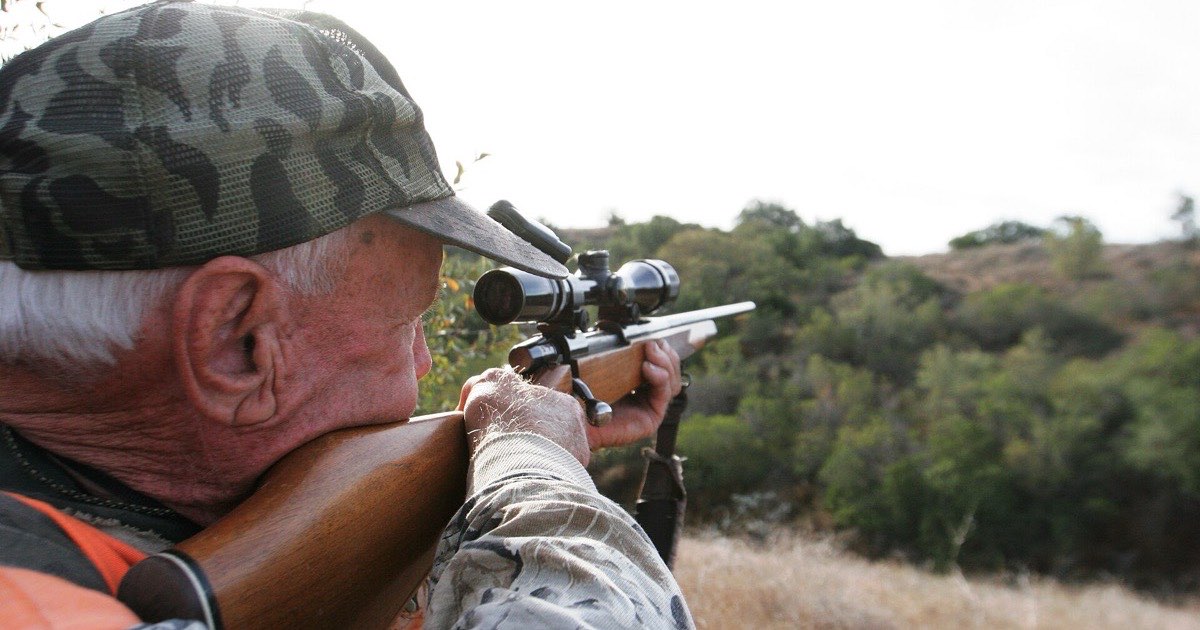
Bowhunting and rifle hunting can both put venison in the freezer, but they are very different experiences. A rifle lets you make a clean shot at a deer across a field. A bow makes you get close enough to hear the deer breathe. The choice affects how far you can shoot, when you can hunt, how much you need to practise, and what kind of hunter you become.
This comparison explains the real differences, from how each weapon kills to seasons, skill, scouting, safety and cost of entry, so you can decide which suits you, or whether you want to do both.
The quick answer
| Bowhunting | Rifle hunting | |
|---|---|---|
| Typical shot distance | Usually inside 30 yards | Often much farther, depending on terrain and skill |
| How it kills | Cutting: blood loss and lung collapse | High-energy tissue damage |
| Season length | Often long, starting early | Usually shorter firearms seasons |
| Learning curve | Steeper; regular practice needed | Faster to become accurate |
| Scouting and woodsmanship | Critical: you must get very close | Important, but range adds margin |
| Pressure in the woods | Often less crowded | Opening days can be busy |
| Main safety concerns | Tree stands, broadheads | Firearm handling, range of the bullet |
| Extra requirements | Bowhunter education in some states | Hunter education; blaze orange in many seasons |
How each one kills
The official bowhunter education course explains that "typically, an arrow kills by cutting blood vessels (arteries and veins), producing massive blood loss." An animal "must lose about 1⁄3 of its blood to die of hemorrhagic shock," and arrows can also kill by collapsing both lungs or disrupting the heart. The time it takes "can vary from a matter of seconds to several hours," depending on what is cut.
A rifle bullet carries far more energy and damages tissue well beyond its path. That gives rifle hunters more margin for slight errors in placement. With a bow, placement is everything: a broadhead that misses the vitals has little effect beyond the wound it cuts. Our shot placement guide explains where bowhunters aim.
Range
Range is the defining difference. Bowhunter education notes that "the average hunter has a maximum effective range of 30 yards," and that most bowhunters shoot game closer than that. Wounding risk rises with distance because vitals are harder to hit, brush can deflect arrows, and the animal has more time to move. Our effective range guide goes deeper.
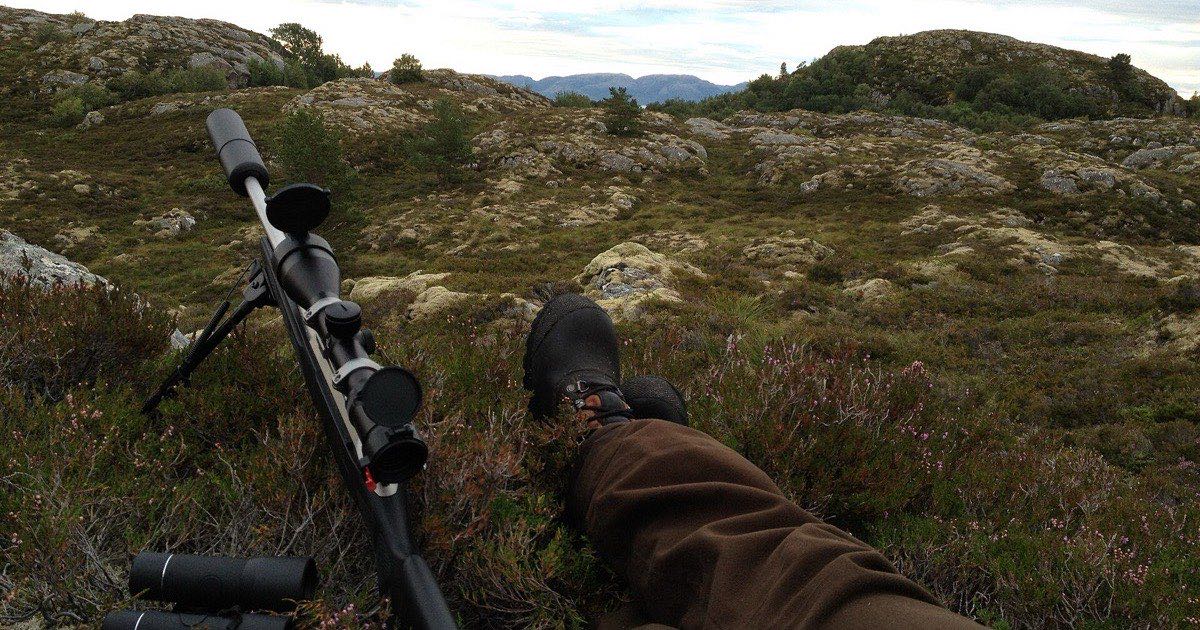
Rifle hunters, by contrast, can take ethical shots at much longer distances, depending on the cartridge, the rifle, their skill and the conditions. That opens up open-country hunting, field edges and long sight lines that bowhunters cannot use. It does not remove the need for good shot placement and a safe backstop.
Seasons and opportunity
Many states give bowhunters more time in the field. Minnesota's natural resources department notes that its archery deer season "opens more than a month before the statewide firearms season and continues long after the firearms season has closed." Long archery seasons let bowhunters hunt early autumn patterns, the rut and late season, often with less competition. Firearms seasons are usually shorter and can be crowded on opening days.
Check your own state's regulations: season dates, zones and rules for using crossbows during archery seasons vary widely.
Skill and practice
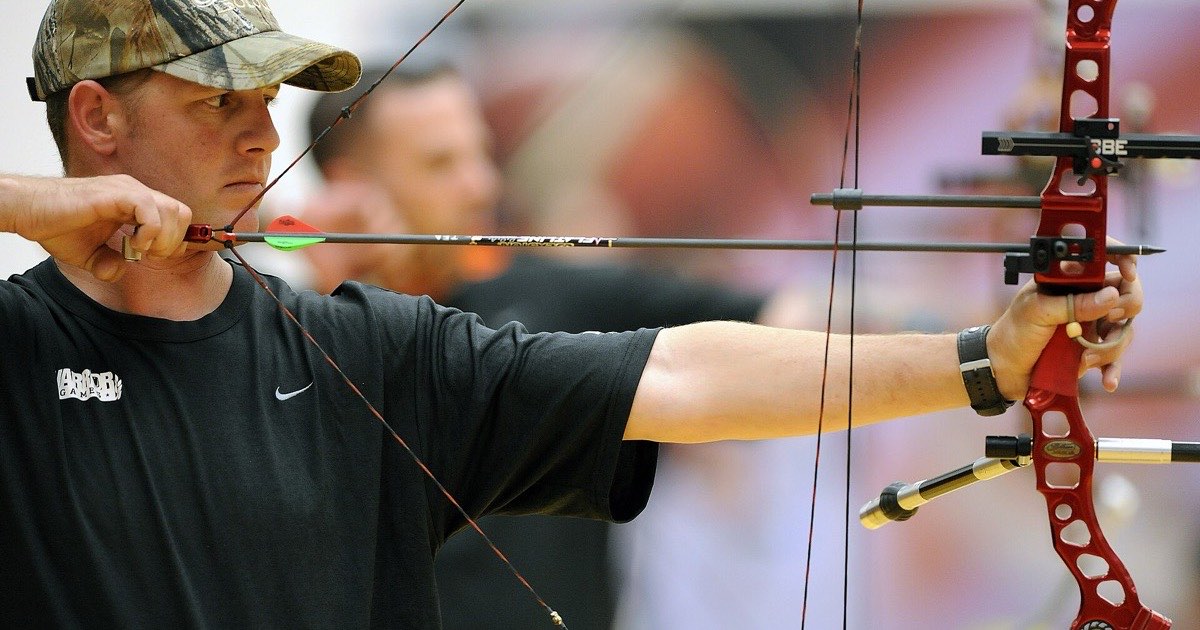
- Bowhunting requires regular practice to stay accurate, especially from hunting positions. You must control your draw, anchor and release under pressure, often with a deer within 20 yards. Learning to get that close is a skill in itself.
- Rifle hunting is quicker to learn to an accurate standard at moderate range, but long shots still demand practice, knowledge of ballistics and steady shooting positions.
Both require hunter education in most places. Some states also require a separate bowhunter education course: the national bowhunter education program lists Alaska, Connecticut, Idaho, Maine, Montana, Nebraska, New Hampshire, New Jersey, New York, Rhode Island and Vermont, among others.
Scouting and woodsmanship
Because bowhunters need deer within bow range, scouting, stand placement and wind control matter more. You need to know where deer travel in daylight, set up within 20 to 30 yards of that movement, and keep your scent and movement hidden. Rifle hunters still benefit from scouting, but range gives them more flexibility to watch large areas and take shots where deer cross openings. Our beginner's bowhunting guide covers scouting for bowhunters.
Physical demands
Bowhunting asks more of your body at the moment of the shot. You must draw and hold a bow, often seated or twisted in a stand, with cold muscles, and do it smoothly enough not to be seen. That takes strength and regular practice, although adjustable compound bows and crossbows make it accessible to most people. Rifle hunting is less physically demanding at the shot, but long walks, mountain terrain and dragging a deer out are hard work with either method.
Where you can hunt
Range affects where each method is allowed. Because arrows travel a short distance, some areas that do not allow firearms, such as certain suburban zones, parks or properties near homes, permit archery hunting, sometimes through special archery-only hunts used to manage deer numbers. Rifle hunting usually needs larger tracts of land and safe distances from buildings and roads. Local rules vary widely, so check before you hunt.
The encounter
Most bowhunters say the experience is the reason they hunt with a bow. Close encounters, sometimes with deer passing within a few yards, are common. The challenge of drawing undetected and making a precise shot makes success feel hard-won. Rifle hunting can be just as rewarding, with its own skills: reading open country, long-range marksmanship and patience on stand.
Safety
- Bowhunting: the main risks are tree stand falls and broadhead cuts. Wear a full-body harness from the ground up, and keep broadheads covered. See our tree stand safety guide.
- Rifle hunting: firearm handling, knowing your target and what is beyond it, and blaze orange visibility. A bullet travels far beyond the target if it misses.
Both demand respect for other hunters and landowners. During overlapping seasons, bowhunters may also need to wear blaze orange; check your state's rules.
Cost of entry
We do not quote prices, which vary widely, but the general picture is:
- Bowhunting: a bow fitted to you, arrows, broadheads, a release or tab, a sight and a rangefinder, plus practice targets, and often a tree stand or blind. Lessons and fitting at an archery shop are worth budgeting for.
- Rifle hunting: a rifle in a suitable cartridge, a scope, ammunition, and range time for sighting in, plus blaze orange where required.
Both need licences and tags, and both reward spending on training and practice rather than gadgets.
Meat and recovery
Both methods produce excellent meat when shots are well placed and animals are recovered quickly. Bowhunters must be especially disciplined about waiting before tracking and following a blood trail; rifle-shot deer often go down faster. Either way, recovering every animal you hit is part of the responsibility.
Hunting with both in one season
Many hunters carry a bow for the early season and the rut, then switch to a rifle when the firearms season opens. That combination gives the most days in the field and lets each method do what it does best. A few things to plan for:
- Licences and tags. Some states sell separate archery and firearms tags; others use one licence with season-specific rules. Read the regulations carefully.
- Blaze orange. During firearms seasons, bowhunters in many states must wear orange as well.
- Changing tactics. After firearms season opens, deer often become more cautious and nocturnal. Bowhunters who keep hunting may need thicker cover and quieter access.
- Practice. Keep shooting your bow even while hunting with a rifle, so your form does not slip before the late archery season.
Crossbows: a middle ground
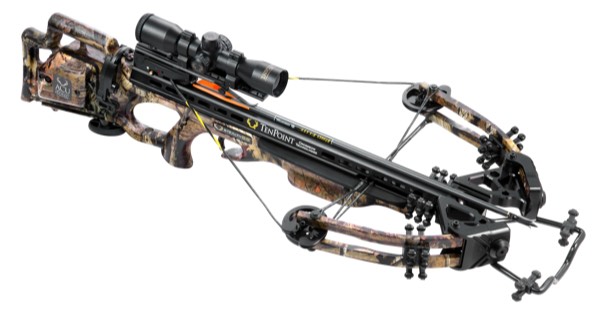
Crossbows sit between bows and rifles. They are held cocked and aimed with a scope, so they are easier to shoot accurately than a vertical bow, but their bolts drop like arrows and their effective range is still short compared with a rifle. Many states allow crossbows in archery season, some only for certain hunters or dates. Our crossbow vs compound comparison explains the trade-offs.
Ethics and fair chase
Whatever you hunt with, the same principles apply: know your equipment's limits and your own, take only shots you are confident of making, make every effort to recover the animal, respect landowners and other hunters, and use what you take. Bowhunting adds extra discipline around distance and angle, because an arrow has less margin for error than a bullet. Rifle hunting adds extra discipline around what lies beyond the target, because a bullet travels so far.
Which should you choose?
| If you... | Lean towards |
|---|---|
| Want the longest seasons and closest encounters | Bowhunting |
| Have limited time to practise | Rifle hunting |
| Hunt mostly open country with long sight lines | Rifle hunting |
| Hunt woods, field edges and suburbs | Bowhunting (where legal) |
| Enjoy archery as a sport anyway | Bowhunting |
| Want the most margin for error on placement | Rifle hunting |
And many hunters choose both: a bow for the early season and the rut, and a rifle when firearms season opens. A crossbow is another option in many states; our crossbow vs compound comparison explains how it fits in.
Bowhunting
Advantages
- Long seasons, often starting weeks earlier
- Close, memorable encounters
- Quieter woods and less pressure
- Builds woodsmanship and archery skill
Trade-offs
- Short effective range
- More practice needed
- Less margin for error on shot placement
- Tree stand and broadhead safety to manage
Rifle hunting
Advantages
- Much longer effective range
- Quicker to learn to an accurate level
- More margin for slight placement errors
- Works well in open country
Trade-offs
- Shorter seasons in many states
- Busier woods on opening days
- Firearm safety and long bullet travel to manage
You can browse hunting compound bows or hunting rangefinders on Amazon.
Frequently asked questions
Is bowhunting harder than rifle hunting?
Generally, yes. You need deer much closer, typically inside 30 yards, and you need more practice to shoot accurately under pressure.
Do arrows kill as quickly as bullets?
Well-placed arrows through both lungs or the heart kill quickly, but arrows kill by blood loss rather than the high-energy tissue damage of a bullet, so placement is more critical.
Why are bow seasons longer than gun seasons?
Many states give archers long seasons, and bows' short range is part of why archery seasons can run alongside other uses of the land. Minnesota's archery season, for example, opens more than a month before firearms season. Each state sets its own dates.
Can I hunt with a bow during rifle season?
Often yes, with the right licence, but you may need to wear blaze orange. Check your state's rules.
Should a beginner start with a bow or a rifle?
It depends on your goals and time. Rifles are quicker to learn; bows give longer seasons and closer encounters but need more practice.
Is venison from bowhunting different from rifle-hunted venison?
Not inherently. Meat quality depends on a clean shot, quick recovery and prompt cooling. A well-placed arrow causes little meat damage, while bullets can damage more tissue around the wound; slow recovery spoils meat with either method.
Do I need a separate course to bowhunt?
In some states, yes. Several states and provinces require a bowhunter education course in addition to general hunter education. Even where it is optional, it is worth taking.
Related articles
 Guides
Can You Hunt Deer With a Bow? A Beginner's Guide
Yes, you can hunt deer with a bow. Learn the legal basics, which bows work, how hard it is, effective range, gear, shot placement and a first-season plan.
October 6, 2026 · 13 min read
 Guides
How Far Can You Shoot a Deer With a Bow?
Effective bow range for deer: what bowhunter education says, why long shots wound more, arrow flight times, jumping the string, and how to find your limit.
October 7, 2026 · 9 min read
 Comparisons
Crossbow vs Compound Bow: Which Is Better for You?
Crossbow vs compound bow compared: how each works, speed and energy, weight, holding and follow-up shots, accuracy, learning curve, hunting rules and costs.
August 12, 2026 · 5 min read