
Target Panic in Archery: Symptoms, Causes and How to Fix It
Target panic explained: symptoms like freezing off target and snap shooting, what causes it, a self-test, and a step-by-step recovery plan for any bow.
By Archery Insider Editorial Team
· 8 min read
In this article
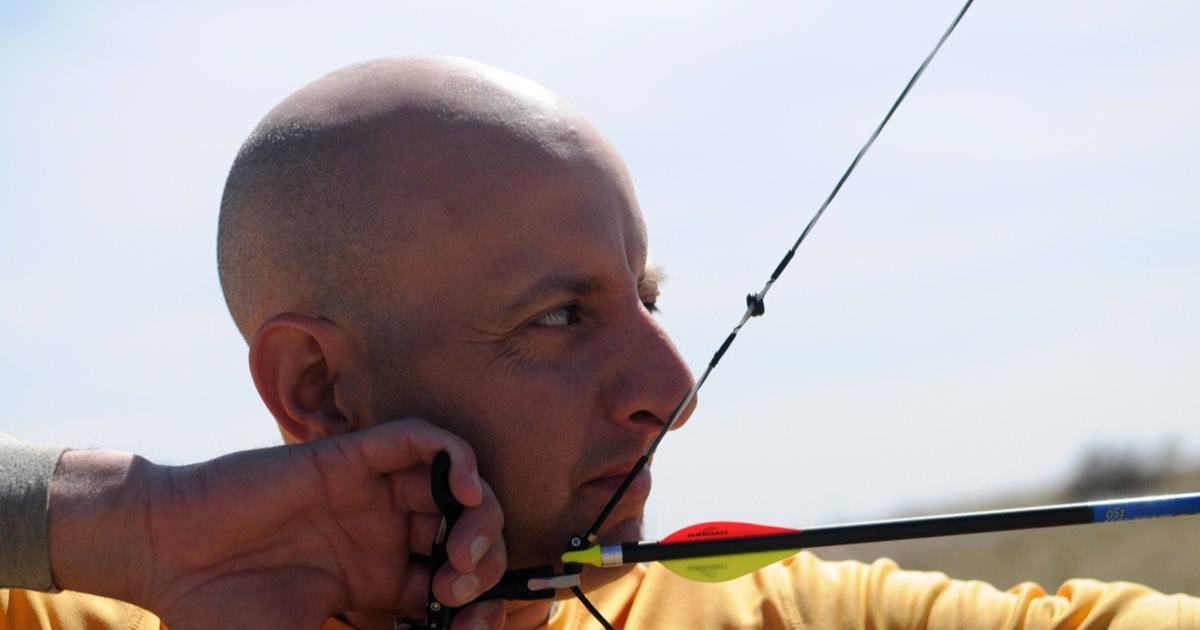
Target panic is the most frustrating problem in archery. An archer who has shot good groups for months suddenly cannot hold the sight on the gold, or finds the arrow has gone before they decided to release, or cannot bring themselves to come to full draw at all. It affects beginners and Olympians, recurve and compound, target archers and bowhunters.
The good news is that it is well understood, and it is fixable. This guide explains what target panic is, how to recognise it early, what causes it, and a step-by-step plan to rebuild your shot.
What is target panic?
Target panic is a condition in which an archer loses control of the transition from aiming to releasing. The archer still knows how to shoot, but their body takes over the timing of the shot.
The term has been used since the 1970s, when it was often called "gold panic" because symptoms appeared as the sight approached the gold. It was renamed once it became clear that it can occur at any target, including animals in the field. For a long time it was blamed on anxiety and fear of failure. More recent thinking, summarised on Wikipedia's article on the subject, treats it as a consequence of how the brain learns at a neurological level: the brain learns to anticipate the shot and tries to fire it at the instant the sight looks perfect.
Treatments built on that understanding have been used successfully by archers up to Olympic level.
Symptoms
Wikipedia describes three primary forms, and most archers recognise at least one.
| Symptom | What it feels like |
|---|---|
| Premature anchor | The bow suddenly feels heavy and you struggle to reach full draw |
| Premature hold (freezing) | The sight locks beside the target and will not move onto the gold |
| Premature release (snap shooting) | The arrow goes as soon as the sight touches the gold, sometimes before you reach anchor |
Other common signs:
- Flinching or jerking the bow just before or during the release.
- Punching a trigger release instead of squeezing it.
- Shortening the shot routine without meaning to, because holding feels uncomfortable.
- Anxiety building as you settle on the target, especially in scoring rounds or in front of game.
- Shooting well on a blank bale or in practice, but badly on a scoring face or in competition.

A quick self-test
Answer honestly:
- Do you release the moment the pin touches the centre, rather than letting it float there?
- Does your sight stop beside the target, and does it take effort to push it on?
- Do you ever release before you meant to?
- Do you shoot much better with no target face than with one?
- Do you feel relieved when the arrow has gone, rather than calm?
If you answered yes to two or more, you have early target panic. The earlier you address it, the faster it improves.
What causes it
Archers describe several overlapping causes, and most cases involve more than one.
- Anticipation. The brain learns that a centred sight means "shoot now" and starts to fire the shot itself, at exactly the moment you are trying to hold steady.
- Release by decision. Shooting by deciding to release (opening the fingers, pressing a trigger) gives the brain a switch to control. A shot that fires as a by-product of continued pulling is much harder for anticipation to hijack.
- Overbowing. A draw weight that is too heavy makes holding uncomfortable, so the body rushes the shot.
- Too much aiming. Trying to freeze the sight dead centre creates tension. A small, steady float is normal.
- Pressure. Scoring, competition, or the moment a deer steps out amplify all of the above.
How to fix target panic: a step-by-step plan
The plan below combines the methods most commonly recommended by coaches and the hunting press. Treat the timings as a guide; move on only when each phase feels automatic. goHUNT's published version of a similar programme runs over seven weeks.
Phase 1: Reset the shot without aiming (blank bale)
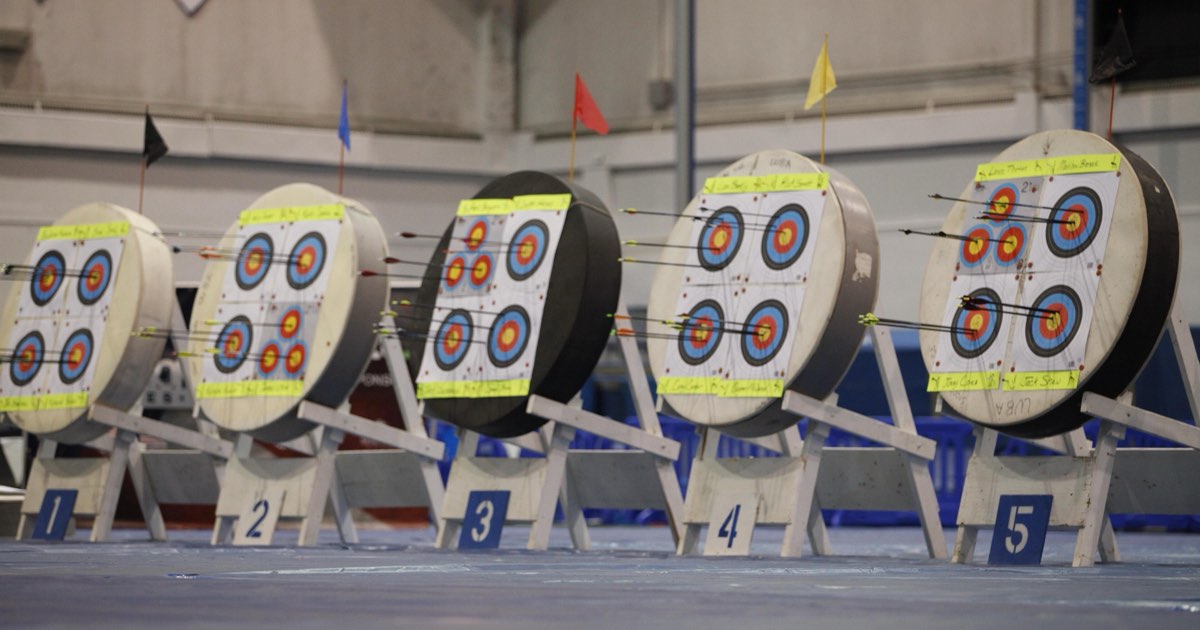
- Take the target face off the boss, or use the back of a target.
- Stand 2 to 5 metres away so you cannot miss.
- Remove the sight, or ignore it.
- Shoot with your eyes closed once you are at anchor, concentrating only on the feel of the shot: back tension, a relaxed bow hand, and the release happening as you pull.
- Shoot one arrow at a time, slowly, for whole sessions.
The goal is to rebuild a shot that fires without you choosing the instant. If the release still happens by decision, stay here.
Phase 2: Learn a release you do not control
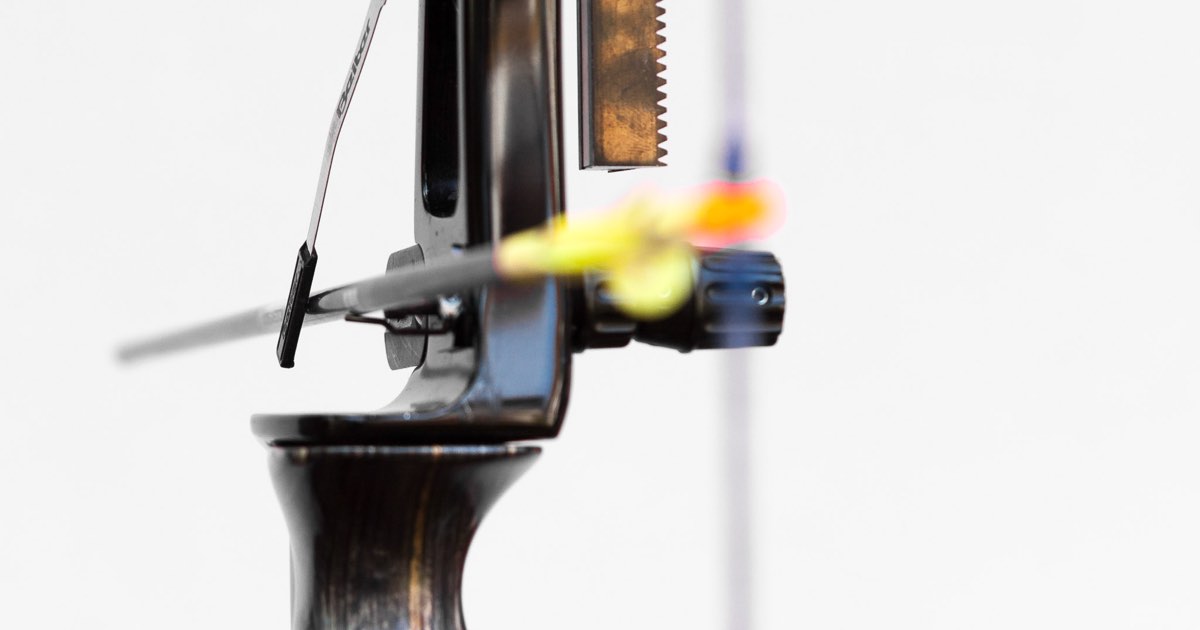
- Recurve: use or reinstate a clicker. Expand through the clicker; the click is the cue to relax the fingers. Practise on the blank bale until the release follows the click without hesitation.
- Compound: practise with a back-tension or hinge release, which fires as you rotate your back rather than when you press a trigger. Start with a training rope or a light setting and a safety mechanism, under supervision if possible. If you keep a trigger release, learn to place your finger on the trigger and squeeze progressively while pulling, so the shot surprises you.
Phase 3: Aim without shooting
- Put the sight back on.
- Stand at close range with a large target face.
- Draw, anchor, let the pin float on the centre for a few seconds, then let down without shooting.
- Gradually move back to 10, then 20 yards, still letting down every time.
This teaches the brain that the sight on the gold does not mean "shoot now".
Phase 4: Alternate blank bale and target
Shoot one arrow at the blank bale, one at a big target face at close range, and repeat. Archery 360's coaching tips recommend exactly this alternation, so that the feeling of the blank-bale shot carries over to the aimed shot.
Other changes that help:
- Remove the dot from your sight pin or use a larger aperture, so you see the whole target rather than staring at the centre.
- Use a big target close up. A large aiming area tells your brain it is acceptable to sit on the middle.
Phase 5: Return to distance and scoring
- Move back gradually, a few yards at a time.
- Shoot ends at a full-size face without scoring.
- Only then reintroduce scoring rounds.
- If symptoms return, step back a phase rather than pushing through.
Keeping it away
- Warm up on a blank bale before every session.
- Keep a shot routine and think about its steps, not the score. Our guide to archery form sets out a full sequence.
- Let down freely. Letting down when a shot is not right is a skill. Archers who never let down are training themselves to shoot regardless.
- Do not overbow. If holding at full draw is a struggle, drop the draw weight.
- Practise under mild pressure once recovered, such as one-arrow challenges or friendly matches, so pressure stops being a trigger.
Bowhunters
Target panic often shows up in the field, where it is called "buck fever" when it appears only in front of game. The cure is the same, plus practice that mimics hunting: one cold shot each day, shooting from your hunting position, and rehearsing the shot routine while visualising an animal. Never attempt a shot at game if your release has become unreliable.
When to get help
If you have worked through the phases for several weeks and symptoms persist, book time with a qualified coach. A coach can watch your release, check your draw weight and draw length, and adjust the programme. Many clubs have coaches who have recovered from target panic themselves.
Frequently asked questions
Can beginners get target panic?
Yes. It is more common in experienced archers, but beginners who learn to release by decision, or who shoot too heavy a bow, can develop it within months.
Is target panic all in the mind?
It is a learned response, and current thinking treats it as a matter of how the brain learns rather than simply nerves. That is why physical retraining, not just positive thinking, is the core of the cure.
Will a different release aid cure it?
A back-tension or hinge release helps many compound archers because it removes the trigger the brain was controlling. It is a tool, not a cure on its own; it must be combined with blank-bale work and a gradual return to aiming.
How long does recovery take?
Most programmes run for several weeks. goHUNT's published plan uses seven. Archers who rush usually find the symptoms return.
Sources
- Target panic – Wikipedia
- Target panic: what to do & how to beat it – goHUNT
- Quick Tips for Beating Target Panic – Archery 360
- How to Overcome Target Panic in Archery – North American Bowhunter
Related articles
 Training
Archery Form: 11 Steps to a Consistent Shot
Archery form step by step: stance, hook and grip, set-up, draw, anchor, transfer, aiming, release and follow-through, plus common faults and fixes.
Updated March 21, 2025 · 10 min read
 Training
Archery Practice Plan: 10 Drills and a Weekly Routine
A structured archery practice plan: arrows per session, warm-ups, 10 proven drills from blank bale to pressure games, weekly routines and a practice log.
March 20, 2025 · 7 min read
 Reviews
TruFire Edge Buckle Foldback Review: A Sensible First Release Aid
Research-based TruFire Edge Buckle Foldback review: caliper jaws, adjustable trigger travel and length, 360-degree head rotation, 4.8 oz, and who this.
July 8, 2026 · 4 min read