
Why Were Crossbows Banned? History and Myths
Why were crossbows banned? What the 1139 Lateran canon really said, why it named archers too, why it had little effect, and how crossbows are regulated today.

By Archery Insider Editorial Team
· · 5 min read
In this article
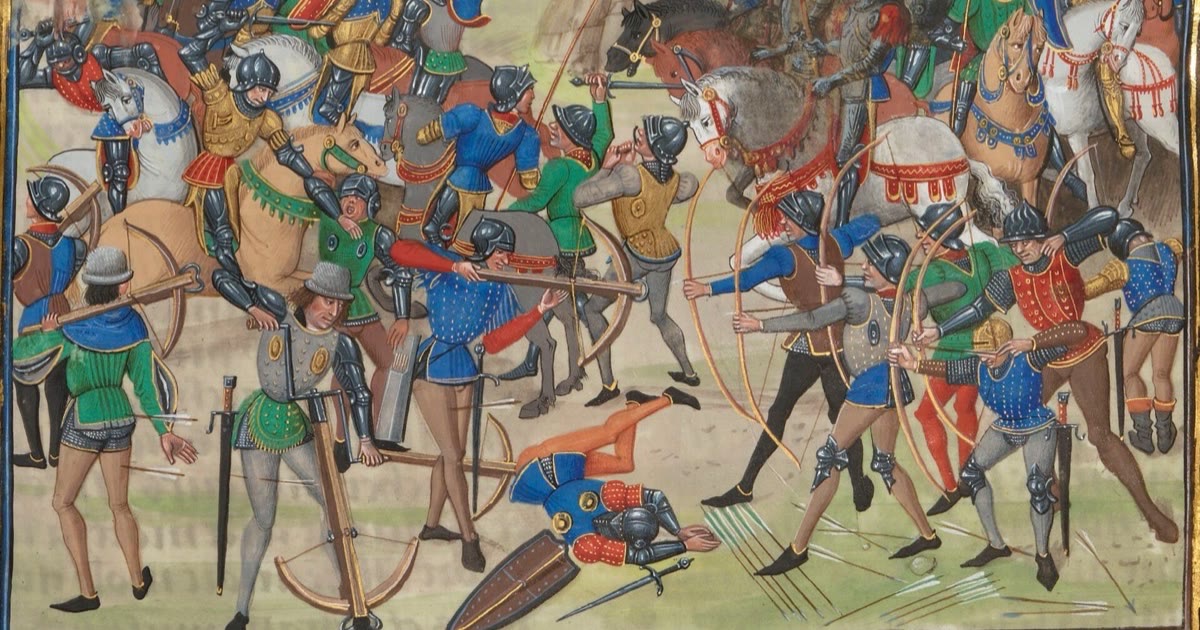
Why were crossbows banned? Mostly, they weren't. The famous "ban" is a canon of the Second Lateran Council in 1139, which condemned the "murderous art of crossbowmen and archers" when used against Christians. It named archers as well, its meaning is still debated, and the Metropolitan Museum of Art's crossbow book says it had no lasting effect.
What the 1139 canon actually said
The Second Lateran Council met in Rome during Lent 1139, under Pope Innocent II. In the English translation from Norman Tanner's Decrees of the Ecumenical Councils, Canon 29 reads:
"We prohibit under anathema that murderous art of crossbowmen and archers, which is hateful to God, to be employed against Christians and Catholics from now on."
Three details matter. First, it targets "crossbowmen and archers", so bows were included. Second, the limit is on use "against Christians and Catholics", which is why it's often read as a ban only within Christendom. Third, the penalty was anathema, a church sanction rather than a secular law.
Dirk Breiding, writing in the Met's A Deadly Art: European Crossbows, 1250–1850, says that while the council "did issue a canon to that effect", the "interpretation of the original Latin is debatable". Translations differ, too.
The medieval politics behind it
Breiding offers a political explanation. Innocent II "was involved in a lengthy conflict with King Roger II of Sicily", he writes, "and he may have tried to use the Council as a propaganda tool for his own political ends."
Social attitudes also mattered. The Met book says the crossbow "was not a 'noble' weapon, its use in warfare being difficult to reconcile with the principles of chivalry"; in battle it was mainly the weapon "of the urban infantry and of mercenaries". Yet nobles, commoners, women and children all used crossbows for hunting and target shooting.
So did the canon work? Breiding says the "ban" and its later iterations have been overstated and that "none of these pronouncements had any lasting effect". During the 13th century the crossbow "steadily gained in efficiency and became increasingly popular", which helped drive the development of plate armour. Richard I of England was a rare noble who carried crossbows in battle, and he was himself mortally wounded by a crossbow bolt.
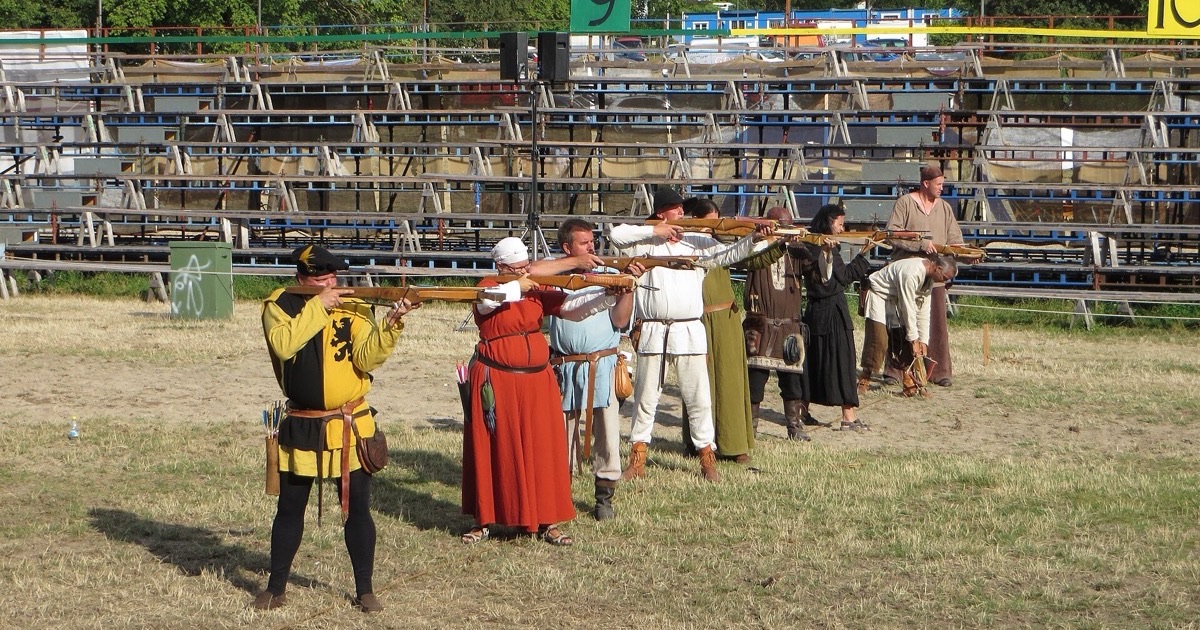
The Met book describes towns keeping crossbows in arsenals, paying crossbow makers, and supporting crossbow societies whose shooting contests survive in some places today.
Myths and what the sources say
| Myth | What the sources say |
|---|---|
| The Pope banned the crossbow outright | Canon 29 barred its use "against Christians and Catholics" |
| Only the crossbow was condemned | The canon names "crossbowmen and archers" together |
| It was banned purely for being too deadly | It calls the art "murderous", but the Met suggests politics played a part |
| The ban worked | The Met says no such pronouncement had "any lasting effect" |
| Only commoners used crossbows | Nobles, women and children hunted and shot targets with them |
Our guide to bolts and quarrels covers what medieval crossbows actually shot.
Modern crossbow restrictions explained
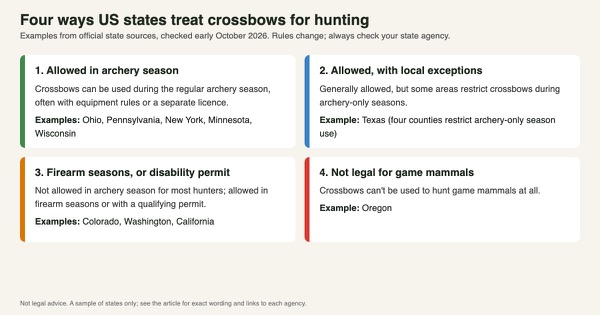
Today's limits come from hunting and weapons law, not church councils, and they vary by place. In the two US states we checked, the rules cover seasons and equipment rather than banning crossbows.
Pennsylvania is one example. The Game Commission says "archery hunters may use long, recurve or compound bows, or crossbows", and that crossbows "must have a minimum draw weight of 125 pounds". Kansas regulation K.A.R. 115-4-4 lists crossbows as legal big game equipment, with rules on broadhead size and electronic devices.
Rules differ between states and change over time, so check your agency's current regulations before you hunt. If you're choosing between the two, our crossbow vs compound bow comparison explains the practical differences, and is a crossbow considered archery? covers how sports bodies classify it.
For deeper reading, the Met's A Deadly Art is available as a free PDF from the museum, or you can browse books on the medieval crossbow on Amazon. Treat listings as examples to consider.
Frequently asked questions
Why did the Pope ban the crossbow?
In 1139 the Second Lateran Council condemned the "murderous art of crossbowmen and archers" as "hateful to God" when used against Christians. The Met's crossbow book adds that Pope Innocent II may also have been using the council for propaganda in his conflict with Roger II of Sicily.
When was the crossbow invented?
Nobody knows exactly. According to the Met's A Deadly Art, the earliest reliable evidence for crossbows comes from China in the mid-first millennium BC. In Europe there are late Roman depictions, and crossbows were in use across the continent by the 10th and 11th centuries.
Were crossbows banned in medieval Europe?
Not in practice. The 1139 canon prohibited their use against Christians, but the Met says it had no lasting effect. Crossbows stayed common in war, hunting and town shooting societies.
Related articles
 Guides
Are Crossbows Legal for Hunting? How State Rules Differ
Are crossbows legal for hunting? How US states differ on crossbows in archery season, examples from official sources, why some restrict them, and how to check.
November 1, 2026 · 12 min read
 Comparisons
Crossbow vs Compound Bow: Which Is Better for You?
Crossbow vs compound bow compared: how each works, speed and energy, weight, holding and follow-up shots, accuracy, learning curve, hunting rules and costs.
August 12, 2026 · 5 min read
 Guides
Bolt vs Quarrel: What Crossbow Arrows Are Called
Crossbow bolt vs quarrel: what each word means, where they come from, why makers now say 'arrow', and how medieval bolts differed from bow arrows.
Updated October 6, 2026 · 4 min read