
Can Archery Targets Be Left Outside?
Can archery targets be left outside? How sun, rain, freezing and animals affect bag, foam, 3D and straw targets, and how to cover and store them.

By Archery Insider Editorial Team
· 7 min read
In this article
A target you can leave set up in the backyard is convenient: walk out, shoot a few arrows, walk back in. But targets are made of fabric, foam, plastic or straw, and all of them are affected by sun, rain, frost and the occasional curious animal. Some targets are designed to cope with the weather; others fall apart quickly if left out.
This guide explains how weather affects each type of target, which ones tolerate being outside, and the simple steps that make any target last longer.
The quick answer by target type
| Target | Leave outside? | Main risks | Best protection |
|---|---|---|---|
| Bag target | Only if sold as weather-resistant, and still best covered | Rain soaks the fill; sun weakens the cover | Waterproof cover, shade, off the ground |
| Layered foam block | Tolerates weather better than bags | Sun fades and dries foam; water in layers can freeze | Cover or roof, drain, store in winter |
| Dense or self-healing foam block | Often marketed as weather-resistant | UV damage over time | Shade or cover |
| 3D foam target | Often left on courses, but life is shortened | Paint fades; core wears and weathers | Cover, replace cores, store between seasons |
| Straw boss | Not ideal | Rot, mould, swelling when wet | Roof or cover; store dry |
What damages targets outside
Sunlight
Ultraviolet light breaks down many plastics, fabrics and foams. Over a season in full sun, bright target faces fade, fabric covers become brittle, and foam surfaces can dry out and crumble. Shade, a roof or a cover slows this dramatically.
Rain and moisture
Water is the biggest enemy of bag targets. Prime Archery notes that bag targets "deteriorate quicker" if exposed to rain, though newer versions are more weather-resistant. A soaked bag is heavy, can sag or burst at the seams, and may start to rot inside. Foam handles water better, but water trapped between layers or sitting at the base can still cause damage, especially if it freezes.
Freezing and thawing
Water that soaks into a target expands when it freezes. Repeated freeze-thaw cycles can split foam, stiffen fill and make arrows harder to remove. A frozen target can also stop arrows less predictably.
Wind
A large, light target can blow over, damaging the target and anything it lands on. Stake down stands or weigh them down, and position targets where wind is less likely to topple them.
Animals
Rodents and other animals sometimes nest in or chew targets left outside, especially through winter. Raising targets off the ground and storing them indoors during long breaks reduces this.

Weather-resistant targets
Some targets are sold as suitable for outdoor use. Morrell, for example, describes its Outdoor Range replacement cover as "weather-resistant." Weather-resistant does not mean indestructible: these targets cope better with rain and sun than standard bags, but they still benefit from a cover and from being stored out of the weather when not in use. Read the manufacturer's care instructions for your target; they override general advice.
How to protect targets left outside
- Cover it. A waterproof cover, tarp or purpose-made target cover keeps off rain and sun. Make sure moisture can escape, so water does not get trapped underneath.
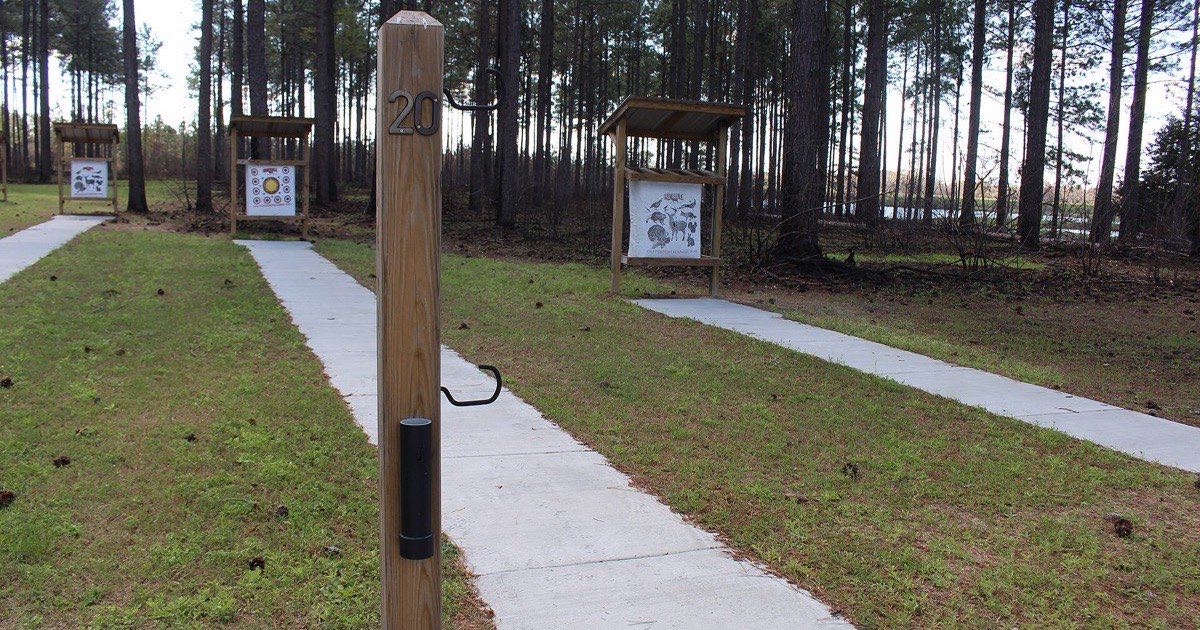
- Put it in the shade, or build a simple roof over the target stand. Many outdoor ranges have covered target stands.
- Raise it off the ground on a stand, pallet or frame, so it does not sit in water.
- Let it drain and dry after rain before covering it tightly again.
- Stake or weigh it down against wind.
- Rotate it so wear and weather spread across faces.
- Bring it inside when you will not shoot for a while, especially over winter.
Winter shooting
Many archers shoot through the winter, and outdoor targets get snow, ice and freeze-thaw cycles. A few tips:
- Brush snow off before shooting and let ice melt before pulling arrows hard.
- Expect harder arrow removal from cold, stiff foam; pull straight back.
- Store targets indoors between sessions if possible, and bring them out to shoot.
- Check for cracks in foam after hard freezes.
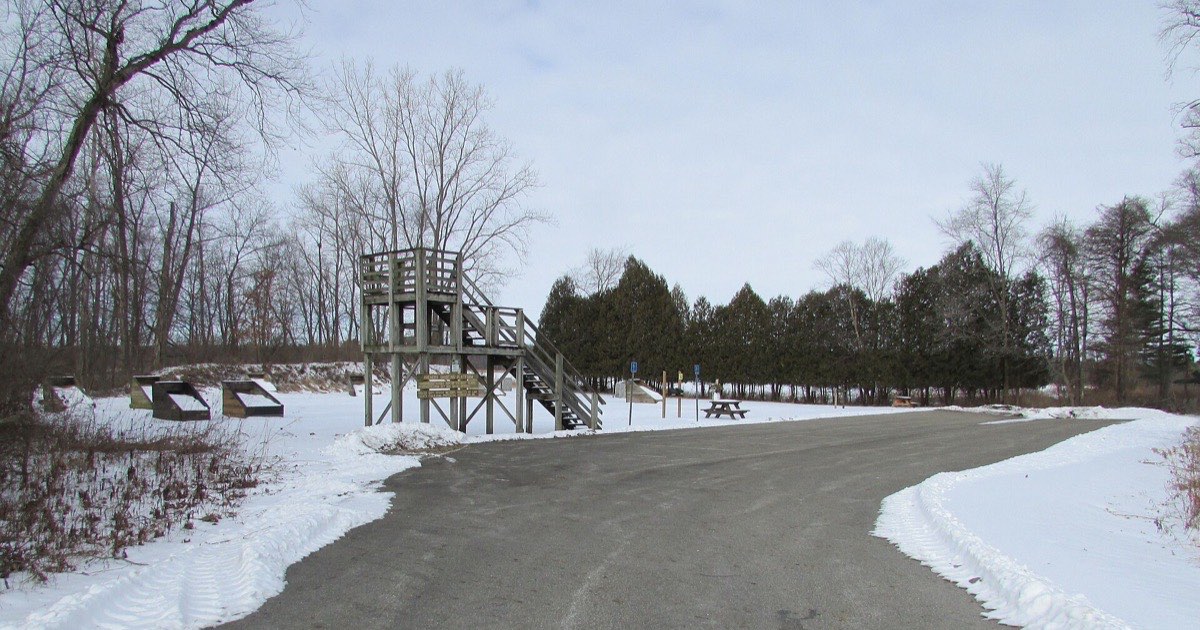
3D targets on a course
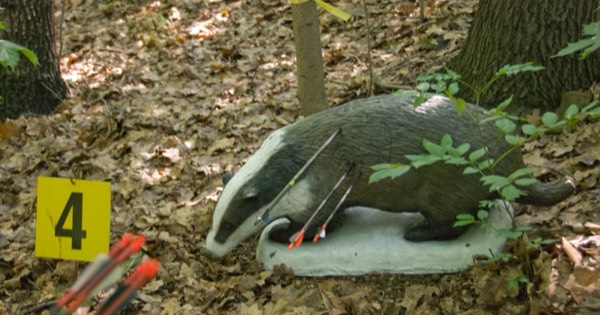
3D targets on outdoor courses are often left out all season, because moving them is impractical. Their painted surfaces fade and their cores wear from both arrows and weather. Covering targets between events, replacing vital-area cores when worn, and storing targets indoors over winter all extend their life. For hunting practice, our broadhead target guide explains replaceable cores.
Straw bosses and bales
Traditional straw bosses, still used by many target archery clubs, absorb water readily, which can lead to swelling, mould and rot. Clubs usually store bosses under cover or bring them in after shooting. If you use straw at home, keep it dry and covered.
Signs your target has weather damage
- Faded, cracked or brittle covers and faces
- Lumps, sagging or burst seams on bag targets
- Crumbling foam on the surface or between layers
- Arrows passing further in than before, or through the target
- Mould, rot or a musty smell, especially in bags and straw
- Animal damage: chewed corners or nesting material
A damaged target is a safety concern as well as a nuisance. If arrows start passing deeper or through, replace the target or its core, and keep a safe backstop behind it. Our backyard range guide covers backstops and safe target placement.
How long will a target last outside?
There is no single answer, because life depends on the target's construction, how much you shoot it, your bow's speed, and your climate. A target in full sun and rain, shot daily with a fast compound, will wear far faster than the same target kept under a roof and shot a few times a week. Hot, sunny summers and freezing, wet winters are both hard on targets. The protective steps above can make a large difference, so follow them and watch for the warning signs rather than relying on a set number of months.
Cleaning and basic maintenance
- Brush off leaves, dirt and snow before covering a target, so moisture is not trapped against it.
- Repair small tears in bag covers early, before fill starts to escape.
- Replace cores and covers when the maker offers replacements, rather than the whole target.
- Keep the stand sound: check that wooden frames have not rotted and metal stands are stable.
- Clear the area around the target so it dries quickly after rain and you can find stray arrows.
A simple target shelter
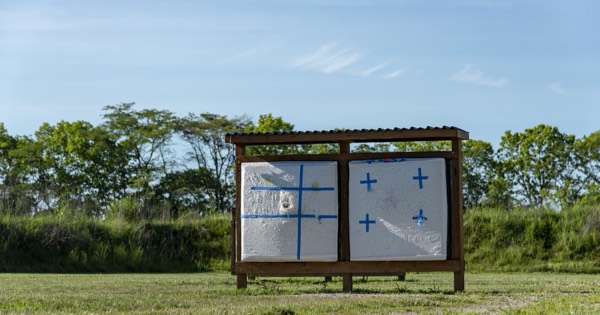
If you shoot at home regularly, a basic target shelter is worthwhile: two posts and a sloping roof of plywood or roofing panels over the target stand, open at the front. It keeps off most rain and sun, makes winter shooting more pleasant, and can easily add years to a target's life.
Leaving a target set up outside
Advantages
- Convenient: shoot whenever you like
- Weather-resistant targets cope reasonably well
- Lets you practise in real outdoor conditions
Trade-offs
- Sun, rain and frost shorten target life
- Bags can soak, sag and rot
- Risk of wind damage and animals
You can browse target covers, target stands or weather-resistant targets on Amazon. Check the manufacturer's outdoor-use guidance.
Frequently asked questions
Can I leave my bag target outside?
Only if it is sold as weather-resistant, and even then it lasts longer covered and off the ground. Rain soaks standard bags and shortens their life.
Do foam archery targets get ruined by rain?
Foam handles rain better than bags, but water trapped in layers can cause damage, especially if it freezes. Let foam drain and dry, and cover it.
Does sunlight damage archery targets?
Yes. UV light fades faces and weakens fabric and foam over time. Shade or a cover helps a lot.
How should I store my archery target over winter?
Indoors if possible, dry and off the ground. If it must stay outside, cover it, raise it and keep it out of standing water.
Will a frozen target stop arrows?
It may stop them less predictably, and arrows can be harder to pull out. Keep a safe backstop behind it, and check for cracks after hard freezes.
Should I cover my archery target with a tarp?
A tarp or purpose-made cover protects against rain and sun. Make sure air can circulate and water can drain, so moisture is not trapped underneath, and remove snow and debris first.
Can a 3D target stay outside all year?
Many 3D targets on courses do stay out all season, but sun, rain and frost shorten their life and fade the paint. Covering them between uses, replacing worn cores and storing them indoors over winter all help.
Related articles
 Gear
GearArchery Targets for Broadheads: What Works
Which archery targets work with broadheads: bag, layered foam, 3D and self-healing foam, crossbow ratings, replaceable cores and arrow removal.
October 14, 2026 · 9 min read
 Guides
How to Set Up a Safe Backyard Archery Range
How to set up a safe backyard archery range: legal checks, safe buffer distances, backstops and netting, choosing a target, layout and house rules.
April 8, 2026 · 8 min read
 Reviews
Morrell Yellow Jacket YJ-350 vs Block Classic 18: Which Backyard Target?
Morrell Yellow Jacket YJ-350 vs Block Classic 18: published specs, fused versus open-layer foam, sides, speed rating, arrow removal, and which target suits you.
April 24, 2025 · 4 min read